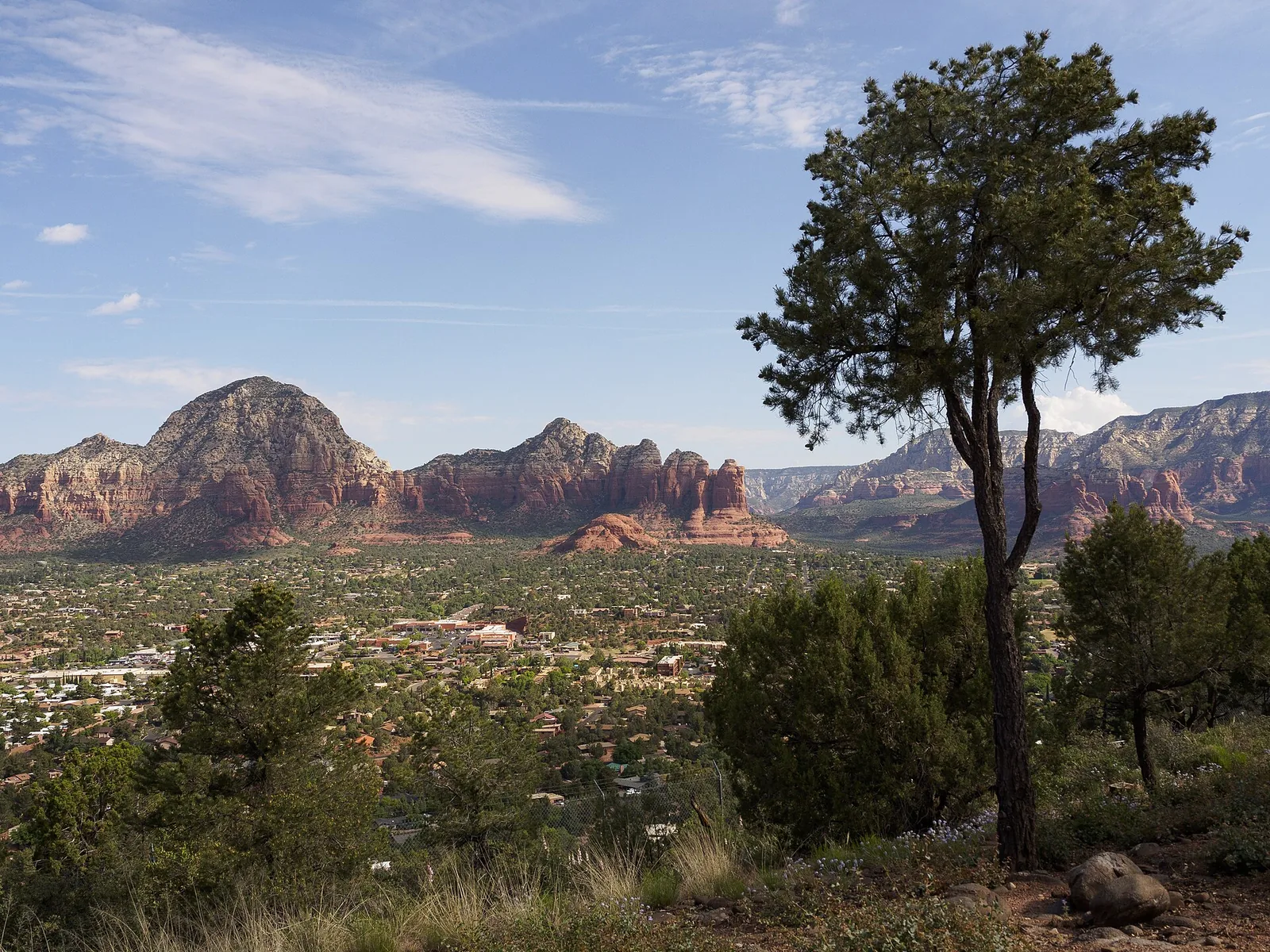
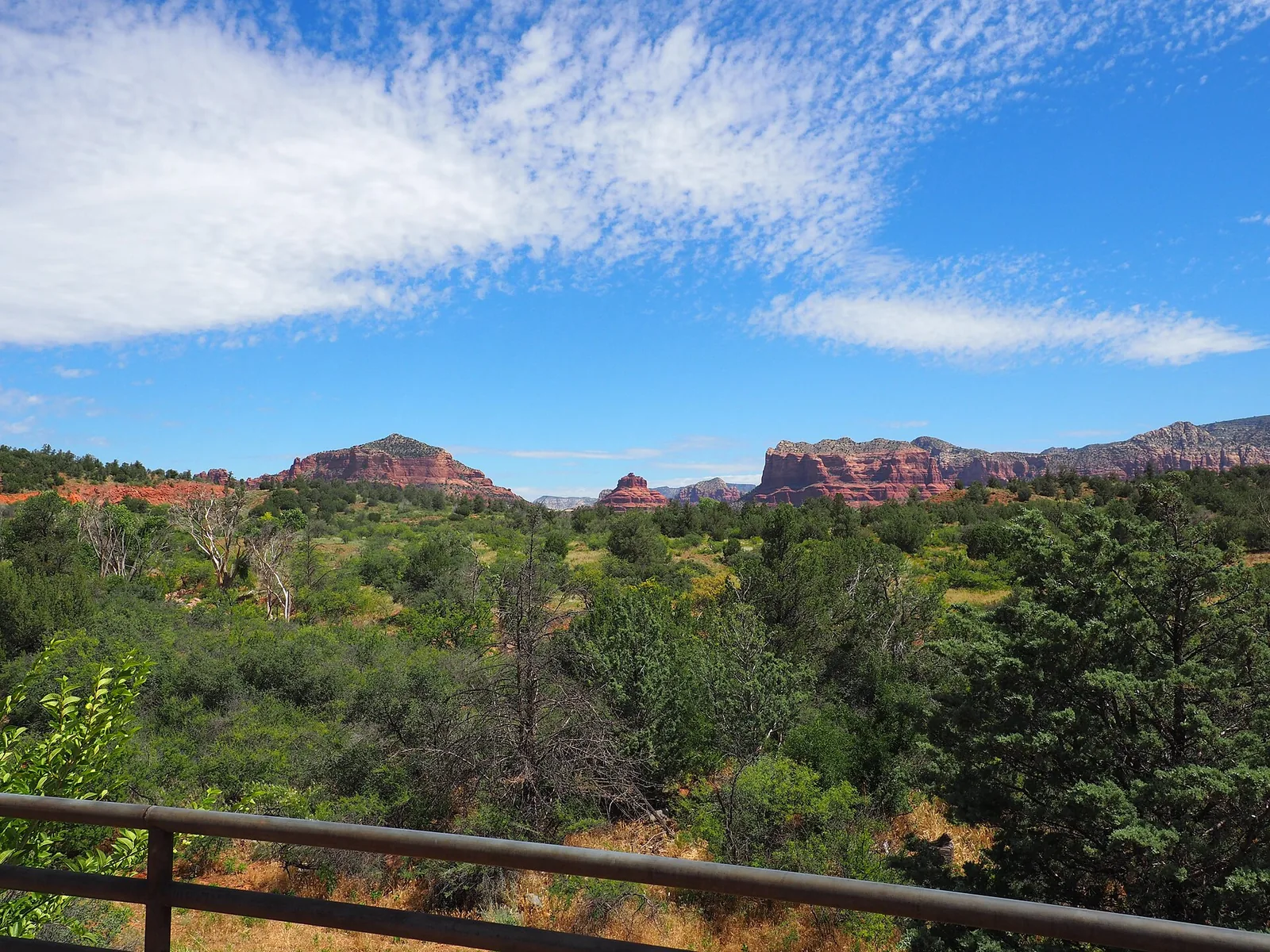
If you spend your summers somewhere green and your winters wishing you didn’t, you’ve probably started a mental list of places to ride out the cold. Sedona belongs on it, but for reasons worth getting specific about. It isn’t the desert-flat warmth of Phoenix, and it isn’t the snowed-in quiet of the high country. It’s something in between, and that in-between is the whole appeal.
This is a practical look at what a winter here actually feels like, how much daylight you get, how a longer stay tends to work, and how you keep moving when the mornings are cold. The goal isn’t to sell you on it. It’s to help you decide whether it fits.
What winter actually feels like
Sedona sits at roughly 4,300 feet. That single number explains most of the weather. You’re high enough that summer heat backs off and winter nights get genuinely cold, but not so high that you’re shoveling your way to the car the way Flagstaff often is.
Here’s the shape of a typical winter day:
- Cold mornings. Overnight lows hover around freezing, sometimes a little below. You’ll want a real jacket before mid-morning, and a windshield scraper isn’t a bad idea.
- Mild, sunny afternoons. Daytime highs commonly land in the mid-50s, and the sun is out far more often than not. By early afternoon a fleece is usually plenty.
- Dry air and big skies. Winter is one of the drier, clearer stretches of the year. The light on the red rock in January is hard to oversell.
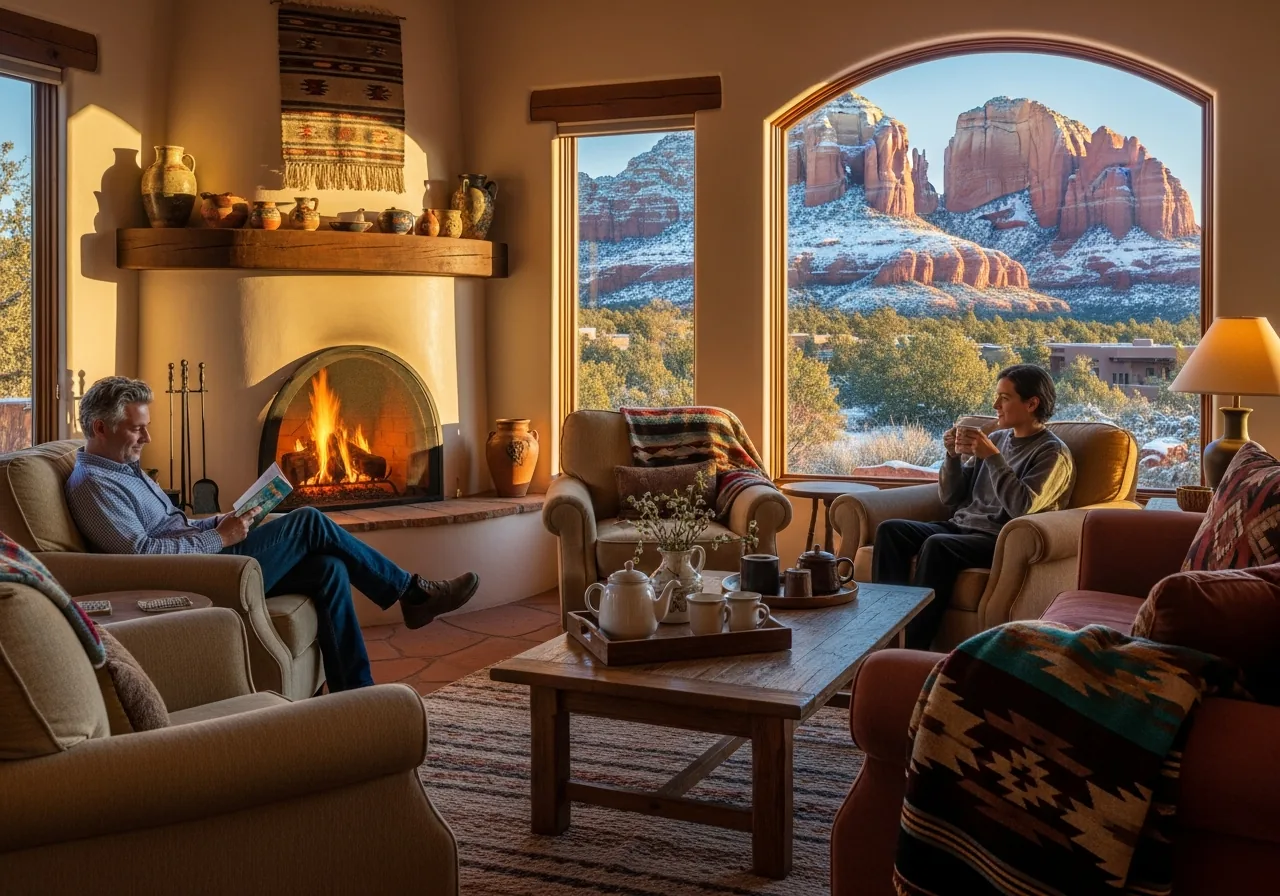
Snow does happen, but it’s the exception, not the rhythm. A storm will roll through, dust the red rocks white, and you’ll spend the morning taking pictures of something that looks faintly impossible. Then the sun comes back and most of it is gone by afternoon. January is the snowiest month, and even then the snow that lands in town rarely sticks around long. The serious accumulation stays up on the rim and the peaks, where you can go visit it and then come home to bare ground.
The honest summary: most winter days here are sunny and crisp, with a sharp morning that softens by lunch. You dress for two different days inside the same one.
If you’re coming from a place where winter means weeks of gray, that contrast is the thing people end up valuing most. The cold is real, but it’s a dry, bright cold that ends by early afternoon, not a damp one that settles in for the season.
A word on daylight and pace
The other thing that shifts in winter is the clock. Around the solstice you get roughly ten hours of daylight, with the sun up by about 7:30 and down before 5:30. That sounds short, and on a packed weekend it would be. On a longer stay it simply changes the rhythm: you’re not trying to win the day, you’re settling into it. The short afternoons are part of why evenings indoors feel earned rather than wasted — and part of why having somewhere comfortable to land when the light goes matters more than it would in summer.
How a longer stay tends to work
A weekend and a season are different animals. When you’re here for weeks instead of days, a few things start to matter that wouldn’t on a short trip.
You stop racing the calendar. Short visitors try to cram everything in. Snowbirds settle into a rhythm: a slow morning indoors while it warms up, an active midday, a quiet evening. The cold mornings stop being a problem once you stop fighting them and start planning around them.
A kitchen and a little space earn their keep. Eating out for two days is a treat; eating out for two months is a chore and an expense. Having a real kitchen, room to spread out, and a place where a group isn’t tripping over each other changes the math on a longer stay. This is part of why a private home tends to suit snowbirds better than a hotel room. Three bedrooms that sleep eight gives a couple room to host, or lets two or three couples split a season together and share the cost.
Longer windows are worth asking about directly. A multi-week or multi-month stay isn’t priced like a weekend, and it shouldn’t be. Stays of 28 nights or more are welcome, long-term rates are available, and a modest cleaning fee may apply on extended bookings — the kind of detail worth confirming up front rather than guessing at. We’d rather you ask than assume.
Pick your month on purpose. Deep winter and the shoulder weeks on either side give and take different things — quieter trails and lower demand against colder mornings and shorter days. Our rundown on the best time to visit for active travelers goes deeper on what each stretch of the season offers, which is worth a read before you lock in dates.
Staying active through the cold months
The risk with any winter retreat is that you arrive planning to be active and end up mostly indoors. Sedona makes it easy to avoid that, as long as you time things right.
Easy hikes built for short days
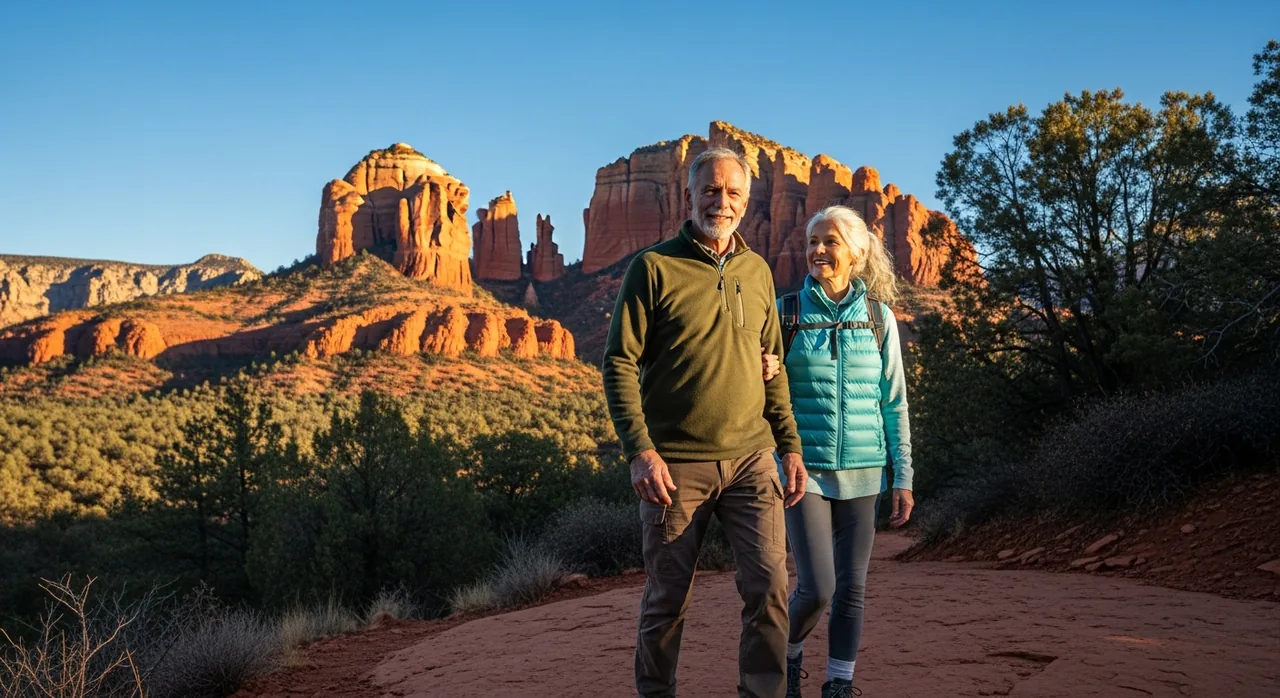
Winter is, for a lot of people, the best hiking season here. No heat, thin crowds, and trails that are genuinely pleasant once the morning chill lifts. The light stays low and warm, which does flattering things to red sandstone. You don’t need to be a serious hiker to enjoy it, either; plenty of the best walks are short and flat, with benches and turnaround points whenever your legs say so. If you want options sorted by effort, our guide to the best hikes in Sedona lays them out so you can match the trail to your legs on any given day.
A few winter-specific habits help:
- Start late, not early. Let the morning warm up. A trail that’s frosty at 8 a.m. is perfect at 11.
- Watch shaded north faces. Snow and ice linger longest where the sun doesn’t reach. Microspikes live in a lot of trunks here for a reason, and they’re cheap insurance on an icy patch.
- Carry layers, not bulk. You’ll shed a layer within twenty minutes of starting and want it back the moment you stop.
- Mind the elevation for a day or two. If you’re arriving from sea level, the thinner air at 4,300 feet can make an easy walk feel less easy at first. Go gentle the first couple of days, drink more water than feels necessary, and you’ll adjust.
The court problem, and the quiet fix
Here’s where winter trips up a lot of active people. If your routine includes regular play, the cold mornings work against you. Outdoor courts hold frost and dew well past sunrise, and a damp court is a slick, unappealing place to start your day — and a needless one to risk a fall on. By the time the surface is genuinely dry and warm, half the morning is gone. For anyone who likes to play early and then get on with the day, that’s a real loss.
This is the unglamorous reason an indoor court matters in winter, and why it’s worth more here than the same court would be in July. A heated, lit, climate-controlled court doesn’t care that it’s 31 degrees outside or that the sun hasn’t reached the patio yet. You play when you want to, at the temperature you want, regardless of what’s happening on the frosted courts across town. It’s the difference between a routine you keep all season and one that quietly falls apart by mid-December.
If you’ve never weighed the two side by side, our look at indoor versus outdoor pickleball courts breaks down what each gives you — and why the indoor advantage is largest exactly when the weather is least cooperative. For the public picture, our overview of where to play in Sedona covers the outdoor scene and its seasonal quirks, so you can see what your alternatives look like on a cold week.
The local scene
Winter doesn’t shut Sedona down. The town keeps a steady, unhurried pace through the cold months, which is part of why it draws repeat snowbirds rather than one-time visitors. There’s an active community of players, easy access to trailheads minutes from town, and enough going on — galleries, an easy food scene, day trips to the rim country — to keep a long stay from feeling like hibernation. If you’re weighing Sedona against the bigger snowbird hubs, our comparison of Sedona, Scottsdale, and Palm Springs is an honest look at what you trade by picking the quieter, higher-elevation option.
Is it right for you?
Sedona winters reward people who like a little contrast and don’t mind a cold morning as the price of a bright, dry afternoon. If you want guaranteed shirtsleeve weather from dawn on, Phoenix or the low desert will serve you better. If you want green and snow-free with nothing to manage, this isn’t quite that either.
But if a sunny, crisp winter with stunning scenery, real hiking, and the occasional snow-dusted morning sounds like the right kind of trade, it’s hard to beat. The key is a home base that fits a longer stay and an indoor court that keeps you playing no matter what the morning looks like.
If you’d like to https://www.airbnb.com/rooms/1650915758723763330 or just talk through dates first, we’re happy to walk through what a season here would actually involve before you commit to anything.
Frequently asked questions
How cold does it really get in Sedona in winter?
Mornings are the cold part — overnight lows sit around freezing, occasionally a little below, so you’ll want a real jacket and maybe a windshield scraper. Afternoons are mild, with highs commonly in the mid-50s and plenty of sun. It’s a sharp morning that softens by lunch, not an all-day deep freeze.
Does it snow in Sedona, and will it strand me?
It snows occasionally, mostly in January, but it rarely sticks in town for long — a storm dusts the red rocks white and the sun usually clears most of it by afternoon. The heavy accumulation stays up on the rim and peaks. You’re far more likely to be photographing snow than shoveling it.
Can I really play pickleball through a Sedona winter?
Outdoors, the cold mornings work against you — frost and dew leave courts damp and slick well past sunrise. An indoor, heated, climate-controlled court sidesteps that entirely, so you can play early regardless of the temperature outside. That’s the simplest way to keep a daily game going all season.
Do you allow long stays, and how does pricing work?
Yes — stays of 28 nights or more are welcome and long-term rates are available, though a modest cleaning fee may apply on extended bookings. Reach out with your dates and we’ll talk through what a multi-week or full-season window looks like before anything’s locked in.
Play year-round in red rock country
Sedona Pickler is a private Sedona home with its own indoor, climate-controlled pickleball court. Rally any season, any hour — heated, cooled and lit, with paddles and balls provided.
Check availability on Airbnb