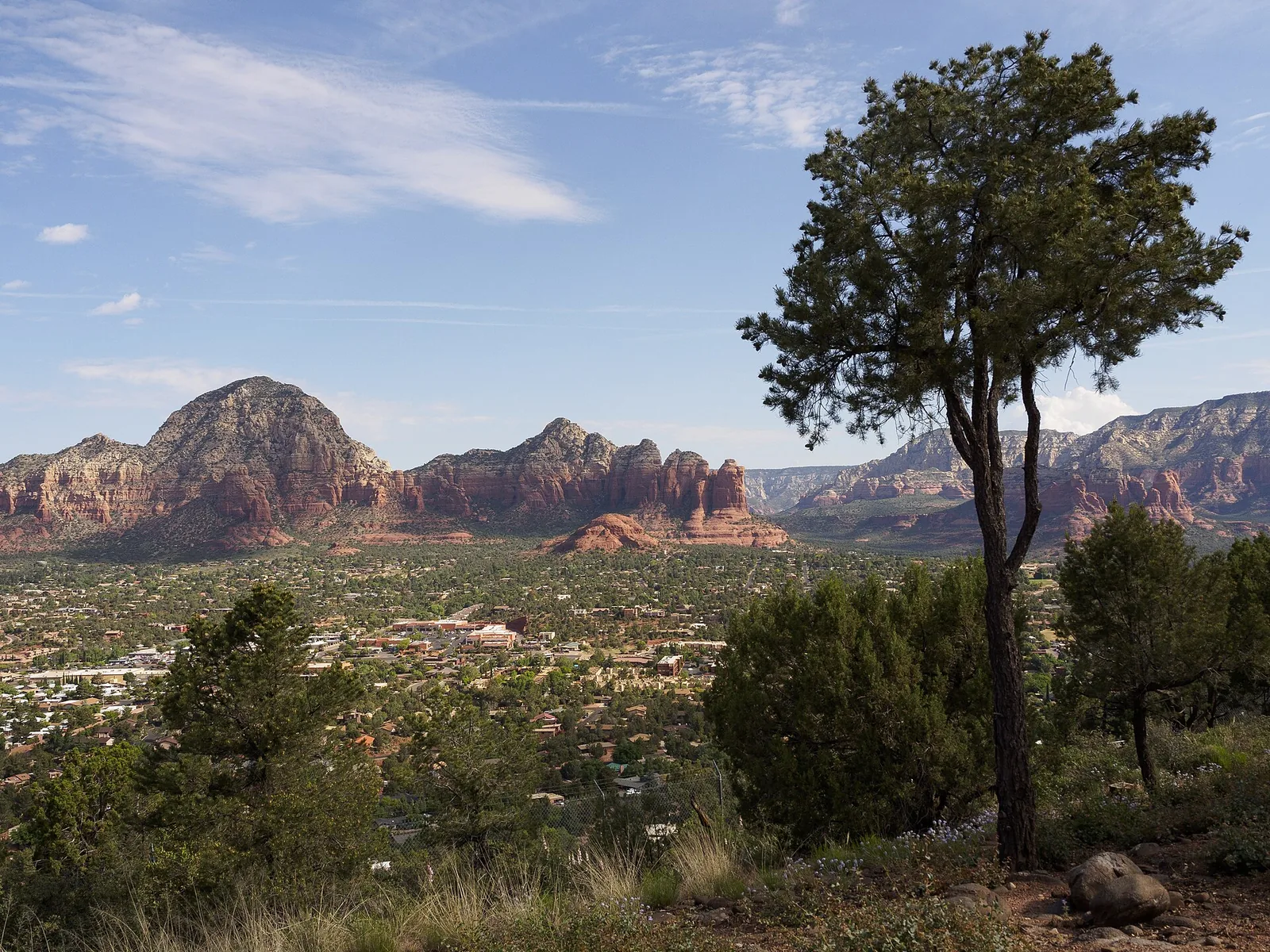
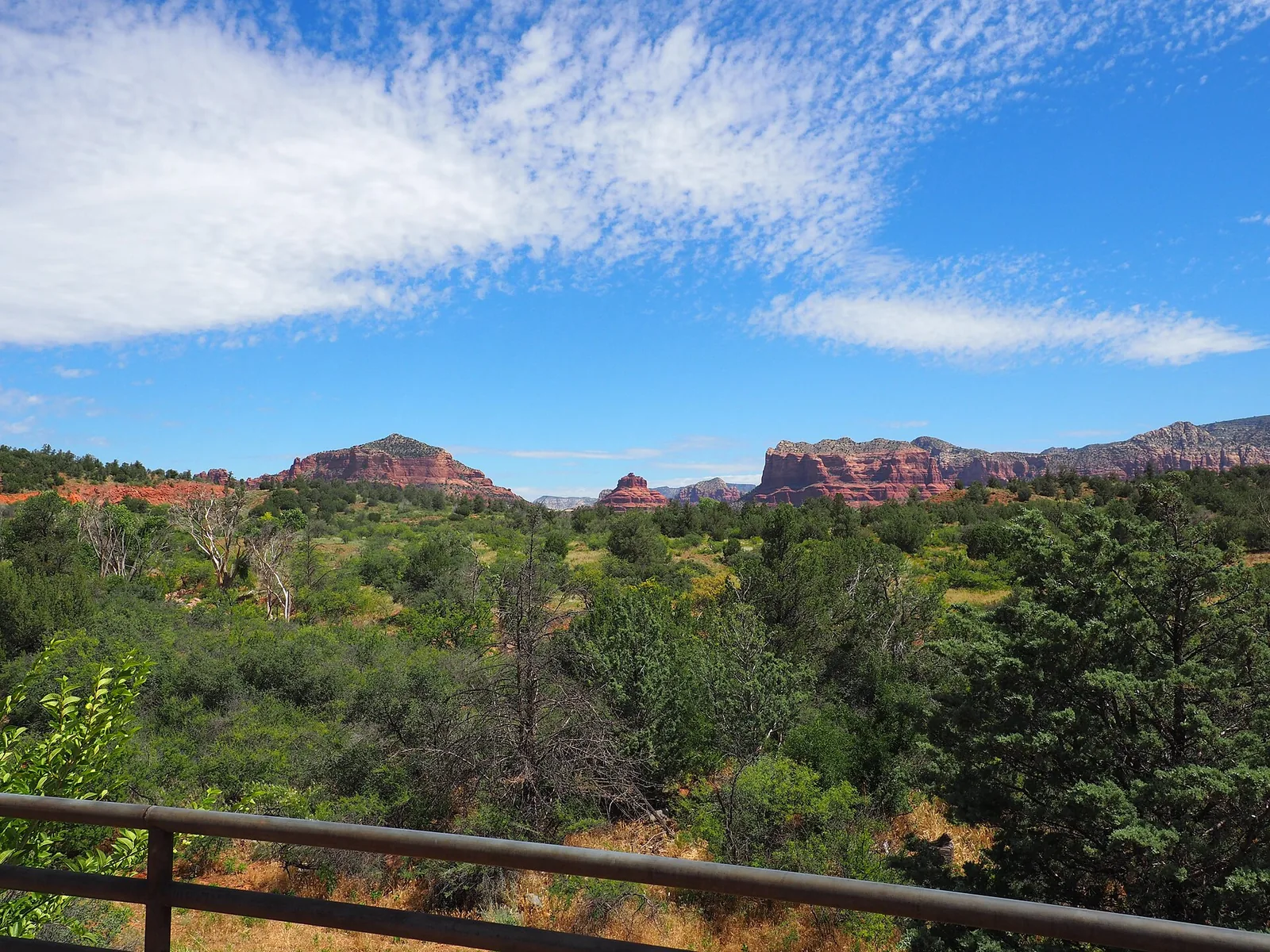
Sedona packs an unusual amount of variety into a small area. You can stroll a flat creek-side path one afternoon and scramble up bare sandstone the next, and both will be within fifteen or twenty minutes of town. That makes it a good place to be a little greedy with your days.
If your mornings are already spoken for on the court, the trails work better as an afternoon plan anyway. You hike when the light is warming up the rock, you’ve burned off the early energy, and you can match the effort to whatever your legs have left. This is a roundup of trails worth your time, sorted by how hard they are, so you can pick based on the day rather than the marketing.
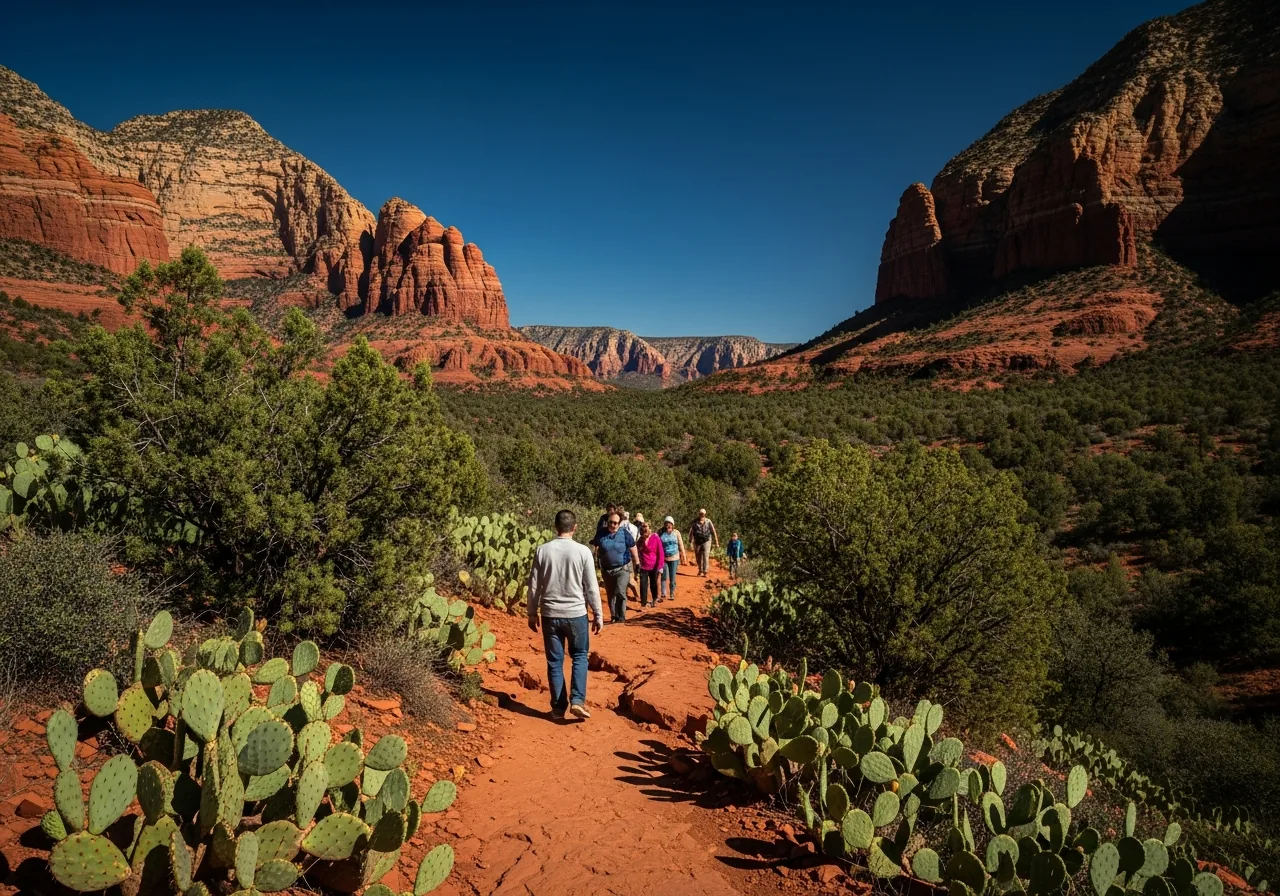
A few things to settle before you lace up.
Most Sedona trailheads sit on national forest land, which means you’ll need a Red Rock Pass to park. A handful of the busier lots — West Fork is the main one — charge a separate day-use fee instead, so the pass won’t cover you there. Buy passes online or at the visitor center, and keep one on the dash.
The other constant is parking. The popular lots are small and they fill early — often by 7 or 8 a.m. in season. The free Sedona Shuttle reaches several of the hardest-to-park trailheads (Cathedral Rock, Soldier Pass, Devil’s Bridge), and it’s genuinely the easiest way in on weekends. And in summer, treat the heat seriously: start at first light, carry more water than feels reasonable, and save the exposed climbs for a cooler hour.
Easy: red-rock walks you can do on tired legs
These are the ones to keep in your back pocket for a court-heavy day. Real scenery, not much suffering.
Bell Rock Pathway
A wide, mostly gentle path that runs alongside Highway 179 and gives you postcard views of Bell Rock and Courthouse Butte without asking much in return. You can turn around whenever you like, which makes it easy to keep it short. If you’ve got energy left, the actual climb up onto Bell Rock gets steep and a bit scrambly fast — go as high as feels comfortable and come back down.
West Fork (Oak Creek)
If the day is hot, this is the smart pick. The trail follows a creek through a shaded canyon and crosses the water more than a dozen times on rocks and logs, so your feet may get wet — that’s part of the appeal. It’s long-ish at roughly 6.5 to 7 miles round trip, but the grade is gentle and the shade is constant. Note the separate day-use fee here and that the lot, about 10 miles north of town on 89A, fills early. There’s a full breakdown in our guide to the West Fork trail.
Doe Mountain
A short climb up to a flat mesa top — a little over a mile round trip, but it gains around 500 feet in a hurry, so it earns the views more than the distance suggests. Once you’re on top you can wander the rim for 360-degree looks at Capitol Butte and across the Verde Valley. A good sunset option if you’d rather watch the light from above the crowds.
Moderate: the classics most people come for
These take a couple of hours and a bit of effort. Good for an afternoon when you want the iconic Sedona views and have the legs for them.
Airport Mesa Loop
A roughly 3.3-mile loop around the base of Airport Mesa with red-rock panoramas the whole way. There’s little shade and some rocky footing on the eastern side, so bring sun protection. The nearby overlook is widely considered the best sunset spot in town — plan to arrive early because that small lot becomes a scene.
Boynton Canyon
Around 6 miles out and back into a sheltered canyon, mostly flat until the end where it climbs. The shade and easy grade make it feel gentler than the mileage. Early on, a short side spur (Boynton Vista) climbs to big views, and many hikers tack on the Subway Cave, which adds distance and a little route-finding. Boynton is also one of Sedona’s named energy vortexes — more on that in our guide to Sedona’s red-rock trails and vortexes.
Soldier Pass
This one strings together several landmarks — the Devil’s Kitchen sinkhole, the Seven Sacred Pools, and Soldier Pass Cave — over a moderate loop of about 4.5 miles. If you only want a taste, the pools are an easy 1.2 miles in and back. The trailhead lot is tiny (14 spaces) and gated from 8 a.m. to 6 p.m., so take the shuttle or start very early.
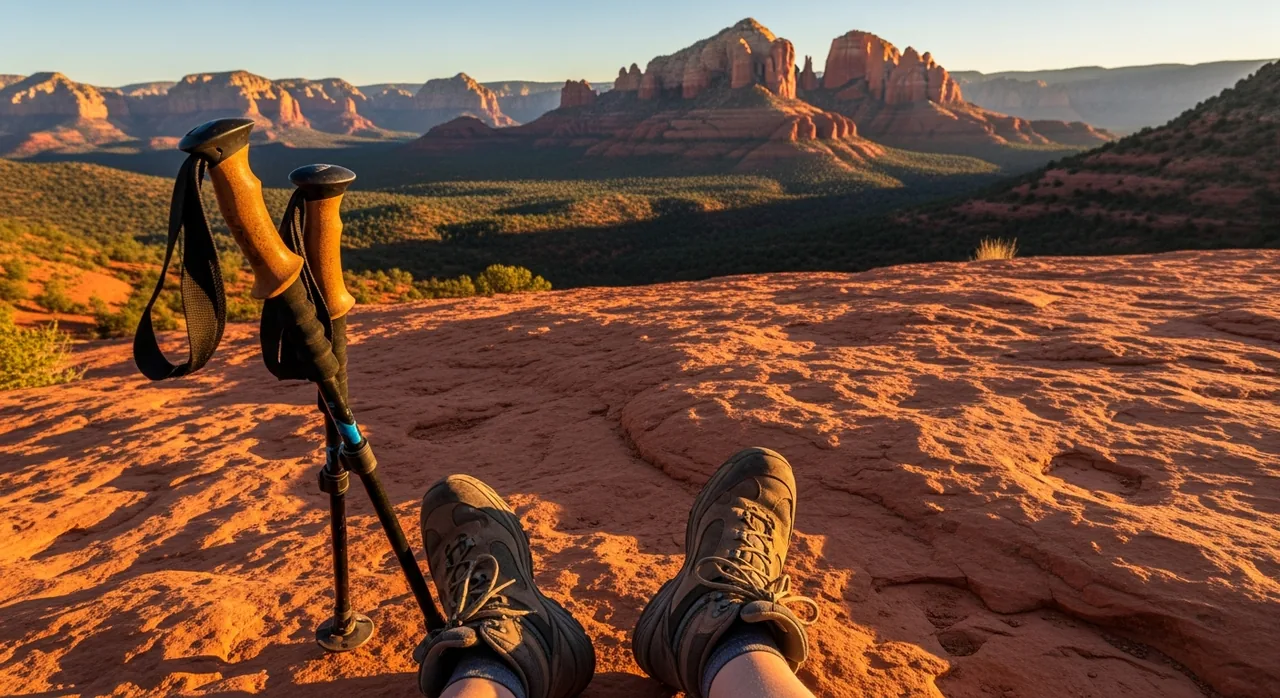
Harder: the iconic climbs
Short on distance, long on payoff. Save these for a day your legs are fresh, and know that “short” doesn’t mean “easy” here.
Cathedral Rock
Maybe Sedona’s most photographed climb, and only about 1.2 miles round trip — but it’s steep and involves real scrambling up smooth, polished sandstone, with one gully that’s the crux. Keep your hands free, wear grippy shoes, and take your time on the way down, which is the trickier direction. The saddle at the top is worth every awkward step. See our full guide to Cathedral Rock for parking and timing.
Devil’s Bridge
The big stone arch you’ve seen in everyone’s photos. The hike’s difficulty depends entirely on how you get there: from the main Dry Creek lot it’s around 4.6 miles round trip and mostly moderate, with a steep, ledge-y final push to the bridge. A high-clearance 4WD can shorten it dramatically, and the shuttle reaches the access trailheads. The lots here are notorious for filling by early morning — our Devil’s Bridge guide has the details.
At a glance
| Trail | Length (round trip) | Difficulty |
|---|---|---|
| Bell Rock Pathway | Up to ~3.5 mi (turn around anytime) | Easy |
| West Fork (Oak Creek) | ~6.5–7 mi | Easy |
| Doe Mountain | ~1.3 mi | Easy–moderate |
| Airport Mesa Loop | ~3.3 mi | Moderate |
| Boynton Canyon | ~6 mi | Moderate |
| Soldier Pass | ~4.5 mi (pools ~1.2 mi) | Moderate |
| Cathedral Rock | ~1.2 mi | Hard (scramble) |
| Devil’s Bridge | ~4.6 mi (less with 4WD) | Moderate–hard |
If you’re traveling in summer or the shoulder seasons, it’s worth reading up on the best time to visit Sedona before you commit to the harder climbs, since timing changes everything about how an exposed hike feels. And for the trails-and-vortexes angle, our red-rock trails and vortexes guide maps which hikes double as the well-known energy sites.
Making it a two-sport day
The reason all of this fits together is geography. Most of these trailheads are a short drive from West Sedona, which means you don’t have to choose between a morning on the court and an afternoon on the rocks — you can do both without burning the day on logistics. Play a few games before the heat builds, regroup over lunch, then head out to a trail when the light turns good.
For more on how to structure the rest of it, see our Sedona pickleball weekend itinerary, and pack smart with our what-to-pack guide — court shoes and trail shoes do a lot of double duty.
Frequently asked questions
Do I need a Red Rock Pass for every Sedona hike?
For most of them, yes — a Red Rock Pass ($5/day, $15/week) covers parking at the majority of national-forest trailheads. A few popular lots, notably West Fork, charge a separate day-use fee that the pass doesn’t cover, so check before you go and keep a pass on the dash.
What's the easiest iconic Sedona hike?
Bell Rock Pathway gives you postcard red-rock views on a wide, mostly flat path you can turn around on at any point. For shade on a hot day, West Fork is the smart pick — gentle grade, constant creek-side shade, around 6.5–7 miles round trip.
When should I start a Sedona hike in summer?
At first light. The exposed trails bake by mid-morning and the small lots fill by 7–8 a.m. in season. Hike early, carry more water than you think you need, and save shaded canyons like West Fork or Boynton for the hotter part of the day.
Can I hike and still get court time in the same day?
Easily. Most trailheads are a short drive from West Sedona, so a morning on the court and an afternoon on the rocks fit comfortably in one day — especially when your court is indoor and climate-controlled, so the weather never moves your tee time.
Play year-round in red rock country
Sedona Pickler is a private Sedona home with its own indoor, climate-controlled pickleball court. Rally any season, any hour — heated, cooled and lit, with paddles and balls provided.
Check availability on Airbnb