
The closest drive on this site, and the most seasonal reason to make it
Every other city page in this series is about distance — two hours from Phoenix, four and a half from Las Vegas. Flagstaff is different. From downtown Flagstaff to West Sedona is about 28 miles, roughly 45 minutes down SR-89A through Oak Creek Canyon. You can leave after work on a Friday and be warming up on the court before dinner.
What makes the trip worth writing a whole page about isn’t the distance. It’s the snow.
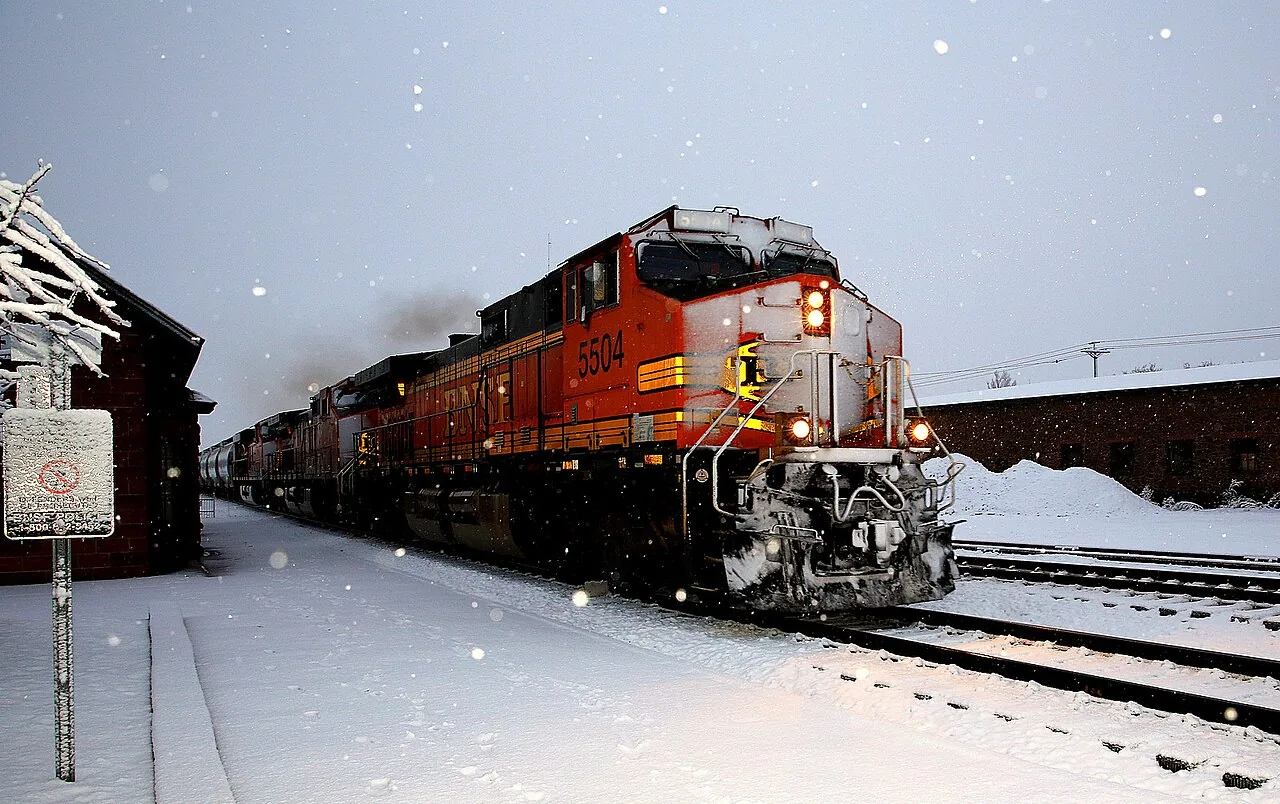
Flagstaff sits at about 7,000 feet and averages around 100 inches of snowfall a year — Discover Flagstaff, the city’s tourism office, puts the long-term average at 108.8 inches. That’s not a ski-brochure statistic; it’s a pickleball problem. When the storms start rolling through, usually from late November into March, every outdoor court in town goes under. Not for a weekend. For weeks at a stretch, then again, and again, until spring.
Forty-five minutes down the canyon, at 4,350 feet, Sedona averages about 15 degrees warmer in every month of the year. And inside one house in West Sedona there’s a private regulation pickleball court that is heated, lit, and reserved entirely for the group that booked it. That’s the pitch. The rest of this page is the detail.
What winter actually does to Flagstaff pickleball
Flagstaff has a real pickleball scene, and in the warm months it’s a good one. The hub is Bushmaster Park on North Alta Vista Drive, where the city rebuilt the sport courts into a dedicated pickleball pod — six courts plus two challenge courts, with lights that run until 9 p.m. Summer open play runs mornings and evenings, coordinated through the local club’s TeamReach group. Ponderosa Park in Sunnyside adds two more dedicated courts, and there are makeshift options like the basketball courts at Raymond County Park if you bring a portable net.
Then the snow comes, and all of it stops. The Bushmaster schedule is weather-dependent even in the shoulder seasons; once there’s accumulation on the ground, outdoor play is done until it melts — and at 7,000 feet, melt takes a while. A storm in January can keep courts unplayable well into February, and the next storm resets the clock.
Indoors, the options are real but shared. The Flagstaff Aquaplex on North 4th Street lines four courts and sells day passes for a few dollars (confirm current rates). SportStop at Flagstaff Athletic Club East has six courts on the gym floor with punch cards and memberships. The Family YMCA has two. All of them are gym-floor pickleball: taped or temporary lines, portable nets, set session times, and court space shared with basketball, volleyball, and every other winter program in a town where everyone’s activities move inside at once. If you’ve played a winter in Flagstaff, you know the drill — you get your two-hour window, the games are queued four deep, and then the floor belongs to someone else.
None of that is a knock on the local scene. It’s just what 100 inches of snow does to an outdoor sport. The question is what a group of Flagstaff players does about it, and the usual answers — drive to Phoenix, wait for spring, grind out rec-center sessions — all have obvious costs.
The answer this page is selling: book a house 45 minutes away where the court is indoors, heated, private, and available at whatever hour your group feels like playing. No session windows. No shared floor. No waiting on a thaw. If you want the longer comparison of what gym-floor pickleball gives up against a purpose-built indoor court, that’s covered in indoor vs. outdoor courts.
The drive: down Oak Creek Canyon
The drive itself is one of the better 45-minute stretches of road in Arizona, and it’s covered in full in the Oak Creek Canyon drive guide. The short version for someone heading south:
From Flagstaff, take SR-89A south. The road runs through the pines for a few miles, then reaches the canyon rim. Stop at Oak Creek Vista at the top of the switchbacks — it’s a Forest Service overlook with a long view down the canyon you’re about to descend, and it hosts a Native American artisan market that’s operated there since 1988, open year-round except Thanksgiving and Christmas (8 a.m. to 5 p.m. in summer, 8 to 4 in winter). Jewelry and pottery sold by the artists themselves; it’s a better souvenir stop than anything in a gift shop.
From the vista, the road drops through the switchbacks — tight, slow, and worth driving carefully — and then runs along Oak Creek for about 12 miles with canyon walls on both sides. If you want a coffee or a sandwich, Indian Gardens Cafe & Market at 3951 N. SR-89A is the canyon’s stop: a historic general store with a cafe and garden seating, open daily 8 a.m. to 4 p.m., with pizza nights on Fridays. Further down you’ll pass Slide Rock State Park and the West Fork trailhead — both worth a return trip with hours to spare, both busy enough in high season that parking fills by mid-morning.
Then the canyon opens up, the red rocks appear, and 89A runs straight through Uptown Sedona and becomes the main road through West Sedona — which is where the house is. You never leave the highway you started on.
Two practical notes for winter. First, the switchback section of 89A closes during snowstorms — ADOT shut it down as recently as March 2025 after a storm caused a string of slide-offs between Midgley Bridge and the top of the switchbacks. When that happens, or when you’d just rather skip icy hairpins, the alternative is I-17 south to SR-179 north: about 41 miles, wider and better plowed, and still comfortably under an hour and a half. Check az511.gov before a winter drive. Second, drive the canyon in daylight if you can — not because it’s dangerous at night, but because it’s the best part of the trip and you paid for it with the climb.
Sedona vs. Flagstaff: the honest comparison
A lot of people searching around this topic aren’t Flagstaff residents — they’re trip planners trying to decide which town to sleep in. Fair question, and the honest answer is that both are good bases for different trips.
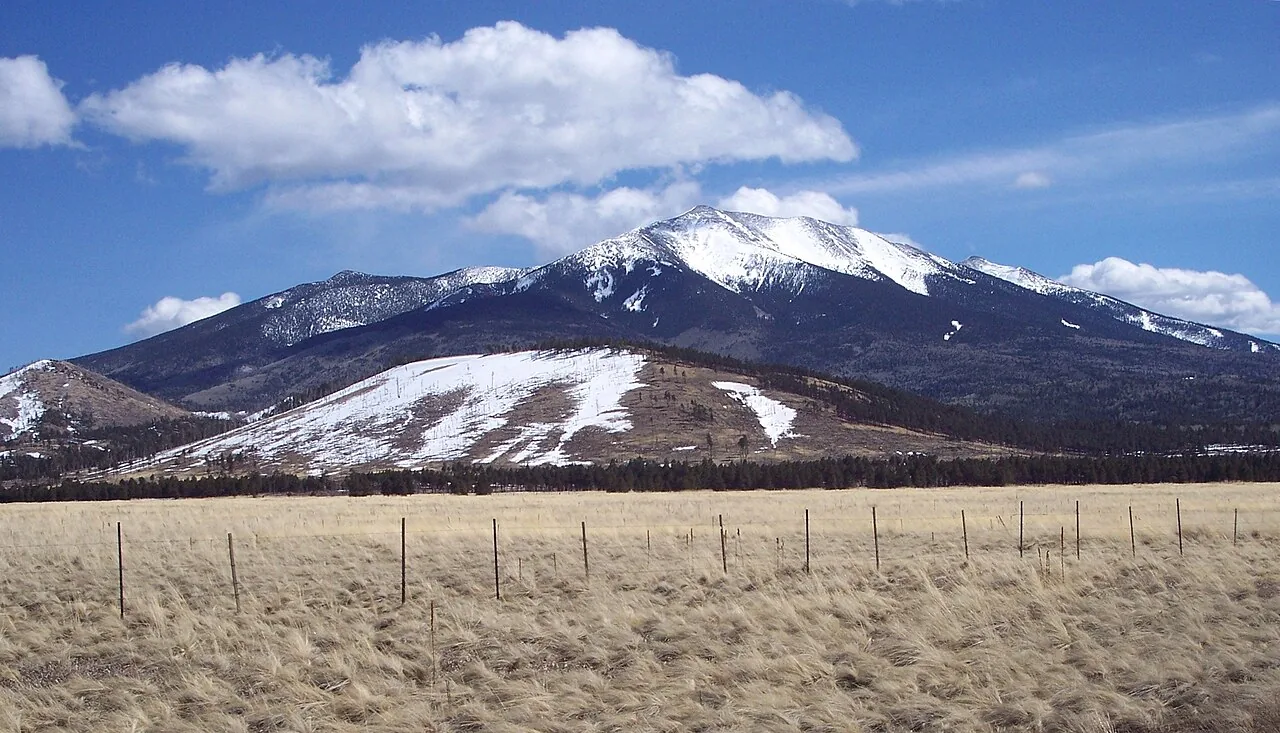
Stay in Flagstaff if your trip centers on the Grand Canyon (about 80 miles from Flagstaff versus roughly 110 from Sedona), on skiing Arizona Snowbowl, or on Northern Arizona University. Flagstaff is a real working college town with a walkable historic downtown, a Route 66 streak, and good breweries. In July and August its elevation is a feature: highs average around 82°F when Sedona is pushing 97°F, and summer nights drop into the 50s. If you want cool air in an Arizona summer, Flagstaff has it.
Stay in Sedona if your trip centers on the red rocks. The trailheads, the canyon, the views you came for — they’re all here, and staying in town means catching them at sunrise and sunset instead of commuting to them. The elevation difference runs the other way from November through March: Sedona’s January average high is about 58°F versus 43°F in Flagstaff, and while Flagstaff is digging out from a storm, Sedona usually gets rain or a light dusting that’s gone by noon. Winter hiking in Sedona is genuinely pleasant; winter hiking in Flagstaff is snowshoeing.
And if pickleball is part of the trip at all, the comparison stops being close, because one of these towns has a private indoor court you can book with the house around it. Flagstaff’s indoor options are shared rec-center floors with session times. Sedona Pickler’s court belongs to your group alone for the length of the stay — heated in January, air-conditioned in July, lit at midnight if that’s when the bracket finishes.
The reverse-season case: why Flagstaff players come down in July
The winter pitch writes itself, but there’s a summer case too, and it requires being straight about the temperatures: Sedona in July is hot. Average highs run around 97°F, a solid 15 degrees above Flagstaff. Nobody from Flagstaff drives down the canyon in July for cooler air.
They’d drive down for the same reason a Phoenix group does: the court is indoors and air-conditioned. Outdoor pickleball in either town in mid-July means playing before 9 a.m. or under lights at night. An indoor, climate-controlled court means a 2 p.m. game in cooled air, then a swim-in-the-creek afternoon at Slide Rock, then more games after dinner. The court removes weather from the plan in both directions — that’s the whole idea of it. Flagstaff’s advantage over every other market on this site is that testing the claim costs 45 minutes of driving instead of four hours.
There’s one more summer angle: monsoon season. July and August afternoons in northern Arizona bring thunderstorms that clear outdoor courts on short notice in both towns. Indoors, a monsoon cell rolling over the house is a light show through the windows between games, not a cancellation.
The NAU angle: a Sedona base for Flagstaff trips
A steady share of Flagstaff-bound travelers aren’t going for Flagstaff at all — they’re NAU parents and family, coming for move-in, Family Weekend, a Lumberjacks game at the Walkup Skydome, or graduation. Those weekends fill Flagstaff lodging fast; the city’s own visitor bureau says as much about Family Weekend every fall.
Staying in Sedona flips the usual day-trip direction. You get the red rocks, the warmer evenings, and the court, and you’re 45 minutes from campus — closer than many Phoenix suburbs are to each other. Drive up the canyon for the game or the campus visit, drive back down for dinner and a night session on the court. For a family group that includes players, it turns an obligation weekend into a trip people actually look forward to. And the same logic serves Flagstaff residents hosting visitors: send them down the hill with a Flagstaff day trip in reverse, or better, book the house and join them.
What a short-drive itinerary looks like
The far-city pages on this site plan around long drives: arrive tired, front-load rest. Flagstaff plans around the opposite. At 45 minutes, there’s no travel overhead to amortize, which changes the math on short stays.
A one-night winter court weekend, the purest version of this trip: leave Flagstaff at 4 p.m. Friday, check in at 4:30-5, play from 6 until whenever — the court is lit and indoors, so “whenever” is real. Saturday morning, more games, then a hot tub soak and a late checkout-day breakfast in West Sedona before the drive home. That’s maybe five or six hours of private court time in under 24 hours away from home, in January, in shorts. Check the listing for the current minimum stay before you plan around a single night.
A two-night version adds Sedona itself. Saturday morning on the court while it’s cold out, then an afternoon hike — in winter, snow up top means the low trails around town are prime, and the sunset spots guide covers where to be when the light goes orange. Dinner from the Sedona restaurant guide, then evening games. Sunday, one last morning session before the 45-minute drive home. If your group runs six or eight players, a structured round robin keeps everyone on court and gives the weekend a spine.
The court being indoors matters for the neighbors too, or rather it doesn’t, which is the point: play at 10 p.m. and nobody hears it. That’s the quiet case for indoor private courts generally, and it’s what makes late sessions possible in a residential neighborhood.
The house itself
What a Flagstaff group actually books: a 4-bedroom house in West Sedona that sleeps 8 — two kings, a queen, and a game room with twin-over-twin bunks — with 2 baths. The court is a private indoor regulation pickleball court, heated, air-conditioned, and lit, with paddles and balls provided; bring court shoes. Around it: a hot tub and outdoor soaking tubs, a firepit, a covered deck, a media lounge, a full kitchen, and red-rock views. Driveway parking for 4 cars, no street parking. Guests must be 25 or older to book; no pets, parties, or smoking. Check-in is 4 p.m., checkout 10 a.m.
One thing worth saying plainly, since it’s the most common question from people this close: there is no day-use or hourly court rental. It’s a vacation rental booked through Airbnb, and minimum stays apply per the listing. The trade-off is what you get instead of a court reservation — the whole house, the kitchen, the hot tub, and a court with no clock on it.
Practical notes
Booking: winter weekends draw from every snowed-in market at once, and holiday weeks go early. If a January or February court weekend is the plan, book well ahead. Check the Airbnb listing for current minimum-stay requirements before penciling in a one-nighter.
Packing: light, at this distance — court shoes, layers, and a swimsuit for the hot tub cover most of it, and the full list is in the pickleball vacation packing guide. Winter-specific: bring whatever you’d carry for a snowy Flagstaff drive anyway, and remember it’ll be 15 degrees warmer when you step out of the car in Sedona.
Season notes: December through March is when this trip earns its keep — your home courts are under snow and the court down here is heated. July and August, the draw flips to air conditioning and monsoon-proof scheduling. Spring and fall, honestly, Flagstaff’s own outdoor scene is in session and the case is simply that a private court with a house around it makes a better group weekend than any public pod. All three cases end at the same place: 45 minutes down the canyon, rackets in the back seat.
Frequently asked questions
How far is Sedona from Flagstaff?
Is 89A through Oak Creek Canyon open in winter?
Where do people play pickleball in Flagstaff in winter?
Sedona or Flagstaff — where should we stay?
Can we book the court for just a day?
Is the court playable in July?
Your court is ~45 minutes without stops away
Sedona Pickler is a private West Sedona vacation home for up to 8 with its own indoor, climate-controlled pickleball court — heated, air-conditioned, and lit. Load the car, drive up, and play the moment you arrive.
Check dates & book


