The Perfect 3-Day Sedona Itinerary
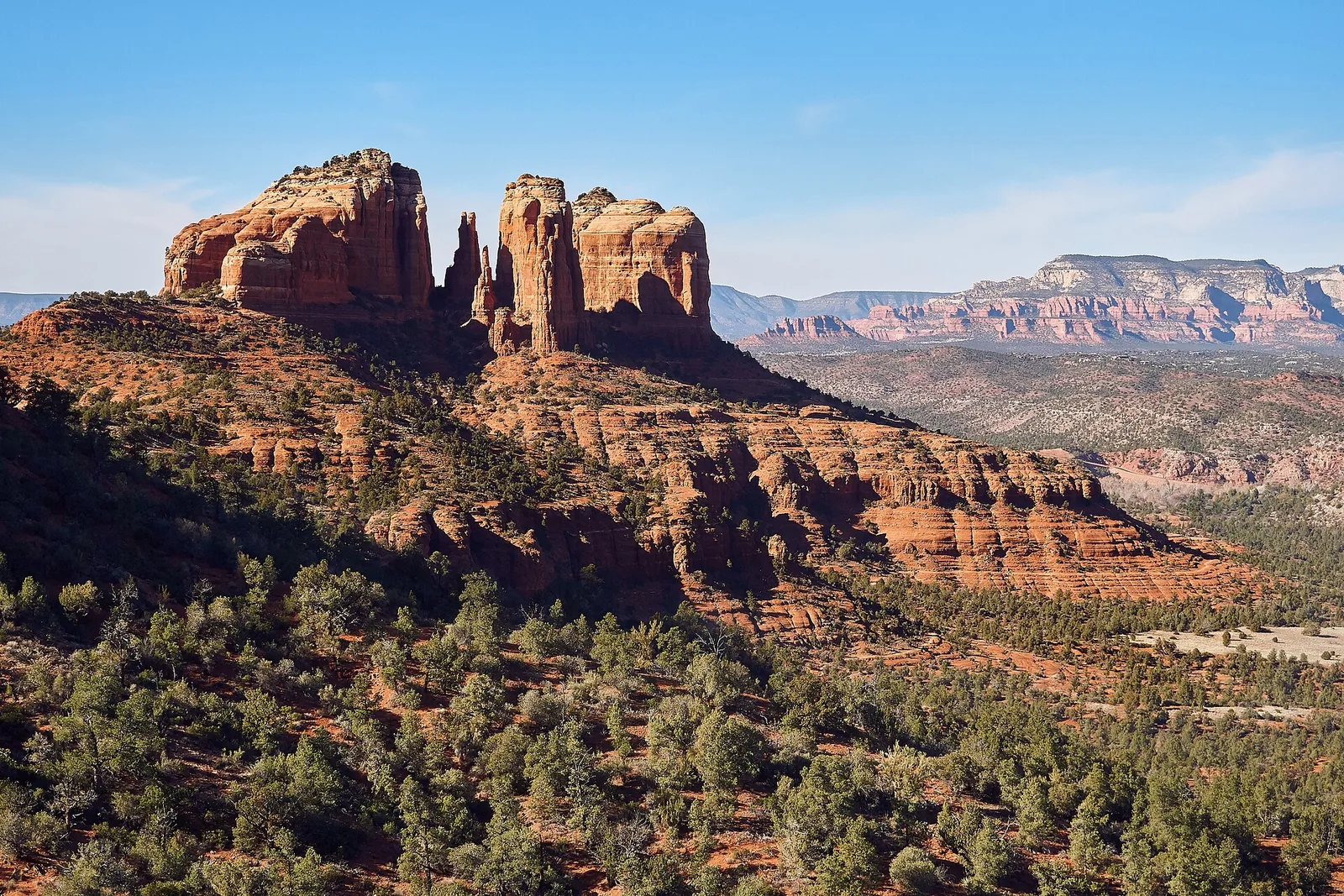
Three days is a sweet spot for Sedona. It’s long enough to see the headline rocks, eat well, and still have an afternoon to do nothing — and short enough that you’ll need a plan to keep from wasting the best light stuck in a parking lot. This is the itinerary I’d hand a friend: a south-to-north arc that eases you in on Day 1, hits the big-ticket trail and a jeep tour on Day 2, and saves a shady canyon and a flexible “choose your own adventure” for Day 3.
A quick word on how to use it. Treat the time blocks as a skeleton, not a schedule to chase. Sedona runs on light and parking, not on the clock, and both of those reward early starts. I’ll flag where you need a pass, where the lot fills by 8 a.m., and where the marketing photos don’t match the rough road. Confirm current hours and prices before you go — restaurant hours and entry fees here change more often than the trail mileage does.
How to use this plan (and what it costs to park)
Before Day 1, get two things sorted: passes and a wake-up call.
Most Coconino National Forest trailheads around Sedona require a Red Rock Pass to park. It runs about $5 per day, $15 per week, or $20 per year, and you buy it from the kiosk machine at the trailhead. If you already own an America the Beautiful interagency pass ($80/year), that covers the same lots — leave it on your dash and skip the kiosk. A weekly Red Rock Pass is the no-brainer for a 3-day trip.
Two important exceptions where the Red Rock Pass does not work:
- Slide Rock State Park and other Arizona State Parks charge their own per-vehicle entry fee at the gate.
- West Fork Trail (Call of the Canyon) is run by a concessionaire with its own per-vehicle fee. It honors the Coconino Pass but not the standard Red Rock Pass.
The other thing to know: the free Sedona Shuttle serves several of the busiest trailheads — Cathedral Rock, Soldier Pass, Mescal, Dry Creek Vista, and Little Horse — from park-and-ride lots. During peak seasons it runs seven days a week; off-peak it’s typically Thursday–Sunday. When the shuttle is running to a trailhead, the road and lot at that trailhead are usually closed to private cars. That sounds annoying, but it’s actually the cheat code for Cathedral Rock and Devil’s Bridge, where the lots are tiny and fill before sunrise. Check sedonashuttle.com for which routes are active during your dates.
Local tip: The single biggest upgrade to any Sedona trip is starting an hour earlier than feels reasonable. Lots at Cathedral Rock, Devil’s Bridge, and the Chapel routinely fill between 7 and 9 a.m. in busy seasons. Beat that window and you’ll have shade, parking, and the trail half to yourself — then you’re back at the house sipping coffee while everyone else circles for a spot.
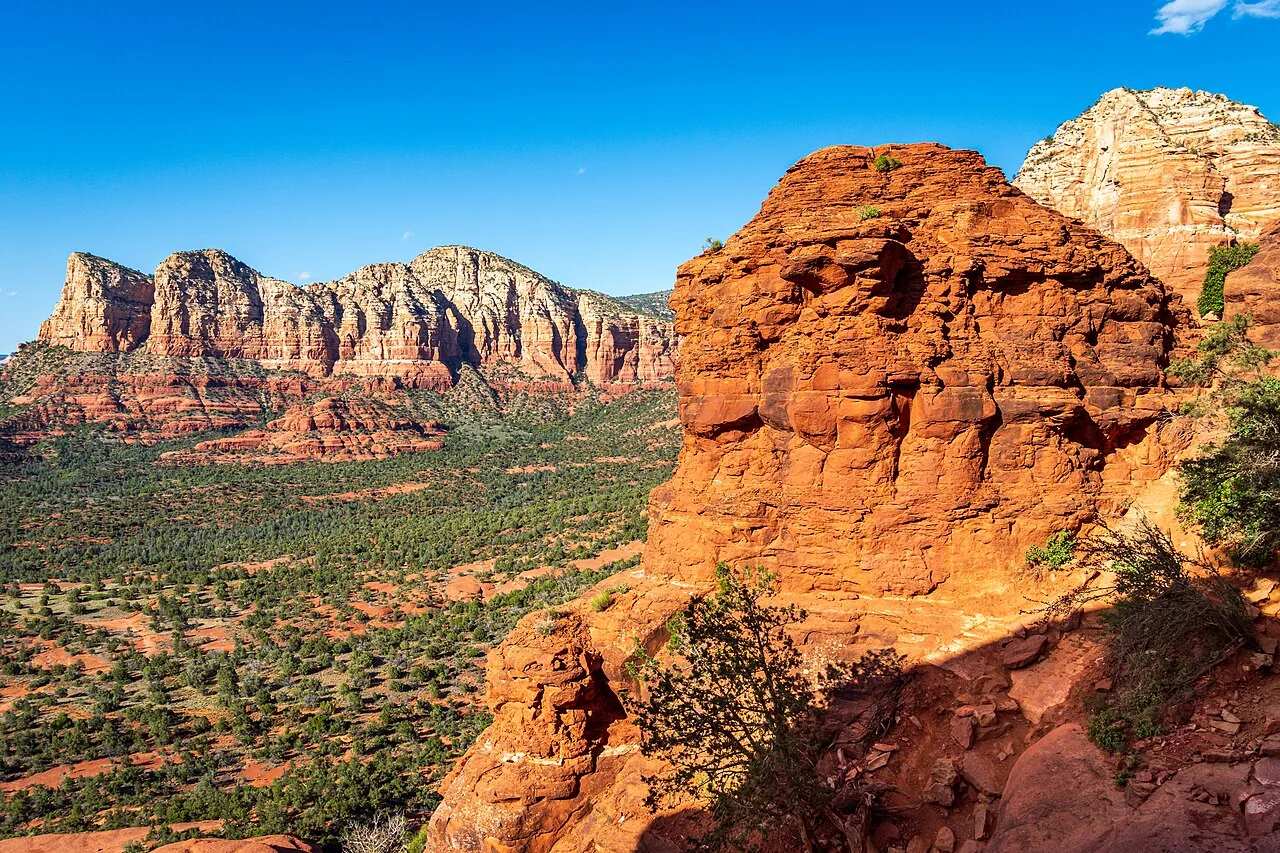
Day 1 — Ease in on the south side
Day 1 is the gentle on-ramp. You’ll spend it on the south end of town along the Red Rock Scenic Byway (SR 179), where the formations are big, the trails are forgiving, and you can adjust to the elevation (Sedona sits around 4,300 feet) without wrecking yourself.
Morning: Bell Rock and Courthouse Butte
Start at the Courthouse Vista (also called Bell Rock Vista) parking lot off SR 179, or the nearby Bell Rock Pathway lot. Bring your Red Rock Pass. From here you can do as much or as little as you like:
- Short and easy: Wander out on the wide, flat Bell Rock Pathway for 20–30 minutes for postcard views of Bell Rock and Courthouse Butte, then turn around.
- The full loop: The Courthouse Butte Loop circles both formations — roughly 4 miles with gentle elevation, mostly smooth tread. Two to two-and-a-half hours at an easy pace.
This is one of Sedona’s four famous vortex sites, so don’t be surprised to see people meditating on the rocks. You don’t have to believe anything to enjoy the morning quiet. If you want to dig into the vortex idea, see the vortexes guide. For more on this trail specifically, there’s a dedicated Bell Rock page.
Late morning: Chapel of the Holy Cross
A few minutes back up SR 179 is the Chapel of the Holy Cross (780 Chapel Road), a modernist church built right into the red rock in 1956. It’s free to enter, open daily roughly 9 a.m.–5 p.m., and worth the stop even if you’re not religious — the views from the terrace are excellent. The catch is parking: the lot has only about 45 spaces and a steep, narrow approach. Go now, before lunch, or save it for late afternoon. More detail on the Chapel of the Holy Cross page.
Lunch: the Village of Oak Creek
You’re already on the south side, so eat in the Village of Oak Creek (locals call it “the Village”) before heading back into town. It’s an easy, low-key cluster of restaurants and cafés that’s far less of a scrum than Uptown at midday. Grab something casual and don’t overdo it — Day 1 is about pacing.
Afternoon: Tlaquepaque
Head north toward central Sedona and spend a couple of slow hours at Tlaquepaque Arts & Shopping Village (336 SR 179). It’s a shaded, walkable village of galleries, craft shops, and courtyards built in the style of an old Mexican town, with real sycamores overhead. Free to wander; the shops and restaurants charge their own way. It’s genuinely pleasant in the heat of the afternoon when the trails are baking. See the Tlaquepaque and art galleries pages if browsing art is your thing.
Sunset: Airport Mesa
For your first sunset, go to Airport Mesa. There are two spots up Airport Road: the lower saddle lot (free, tiny, also a vortex site, with a short walk up to the overlook) and the upper Sedona Airport Scenic Overlook (small paid lot, $3-ish, broader views). Both get crowded — arrive at least an hour before sundown to park and find a perch. The light on the surrounding rocks in the last 30 minutes is the whole point. The Airport Mesa loop and sunset spots pages cover the alternatives.
Dinner: Uptown
End the day in Uptown Sedona, the walkable strip of restaurants and shops along the north end of 89A. There’s a wide spread of options here for every budget; pick by mood and walk it off afterward. Parking is the main hassle — use a garage or arrive before the dinner rush. For ideas, the best restaurants page has a current rundown.
Day 2 — The signature day
This is the day people remember: an early hike to one of Sedona’s iconic spots, a proper breakfast, an off-road jeep tour in the afternoon, and a memorable dinner. It’s also the most logistically demanding day, so the early start matters most here.
Sunrise: Cathedral Rock or Devil’s Bridge
Pick one. Both are spectacular, both are popular, and both reward you for showing up at first light.
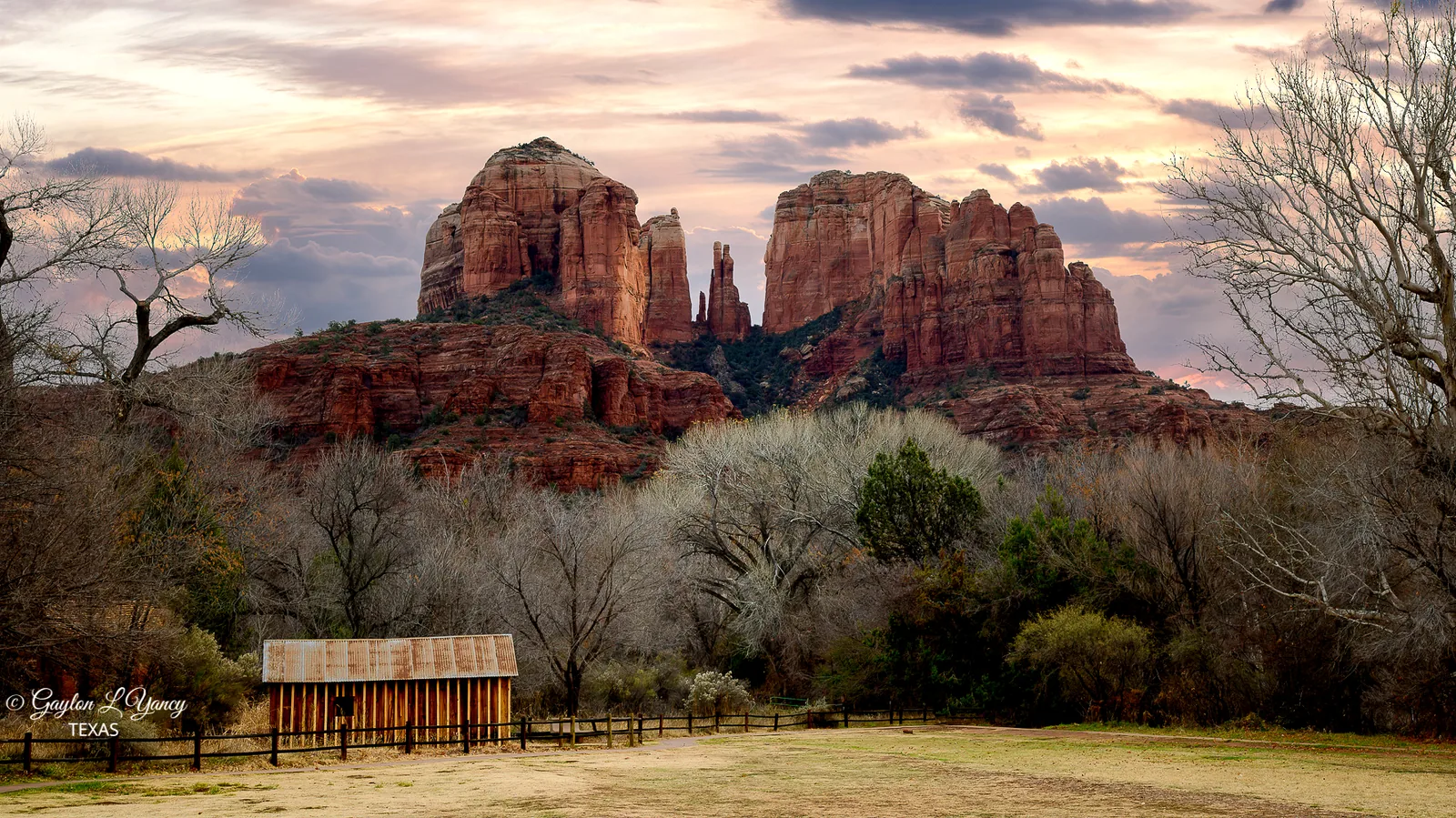
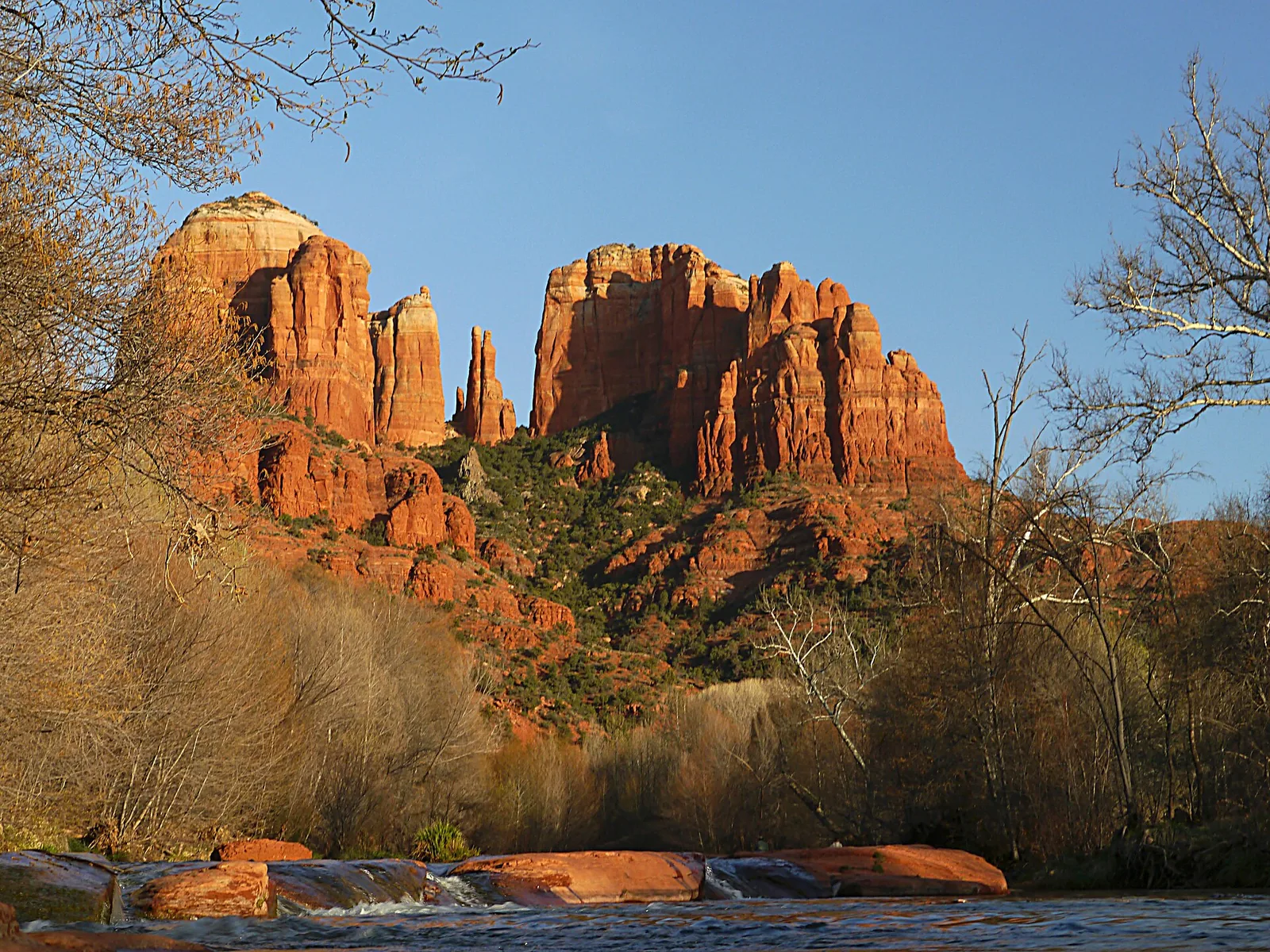
Cathedral Rock is the short, steep one. It’s only about 1.2 miles round trip but climbs roughly 600–700 feet, and the upper half is a genuine hand-on-rock scramble up a slickrock gully — not a walk. Most people take 1.5 to 2 hours round trip. The payoff at the saddle is one of the best views in Arizona. The trailhead lot is tiny; when the Sedona Shuttle is serving Cathedral Rock, take it. Full details on the Cathedral Rock page.
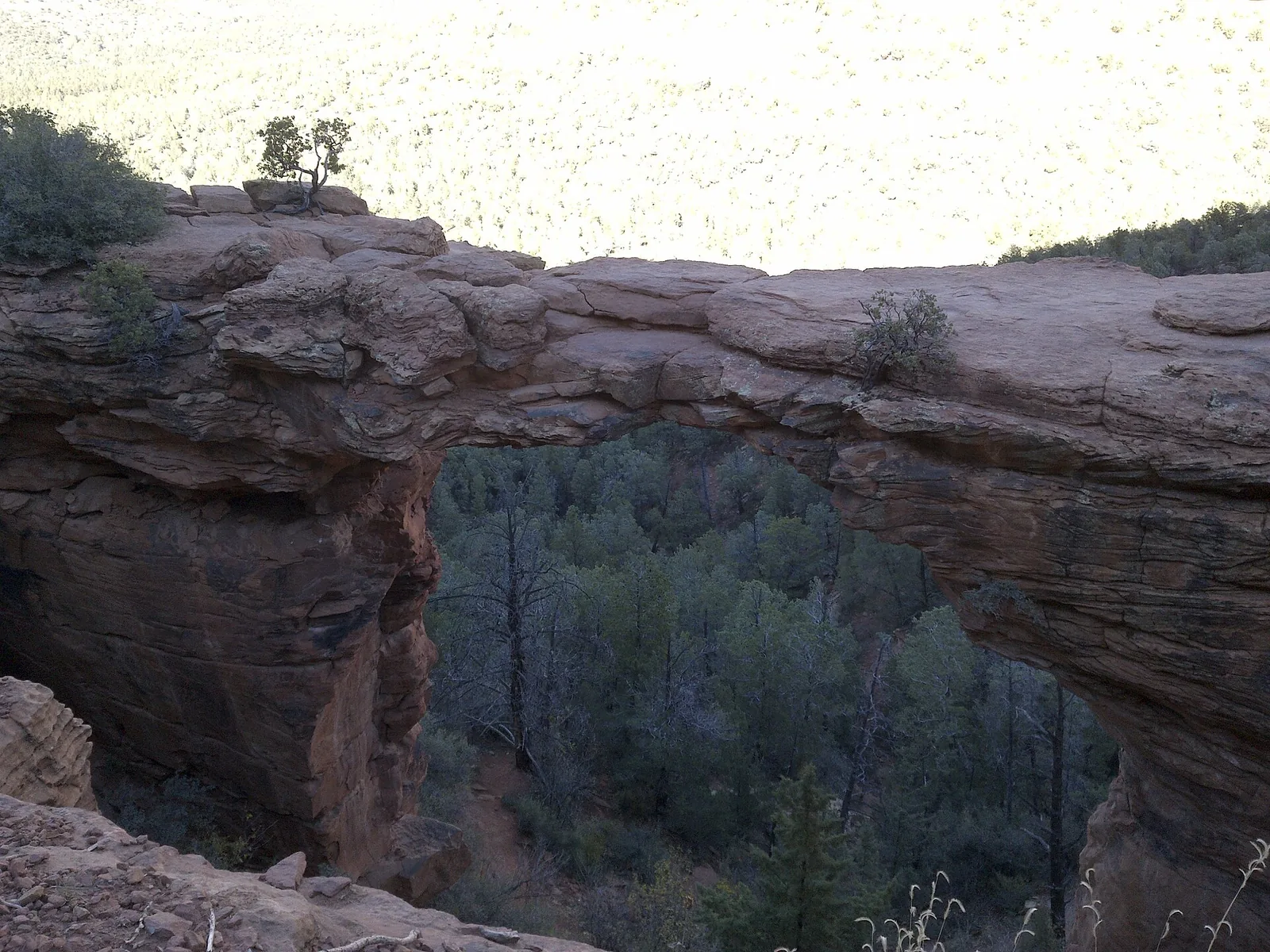
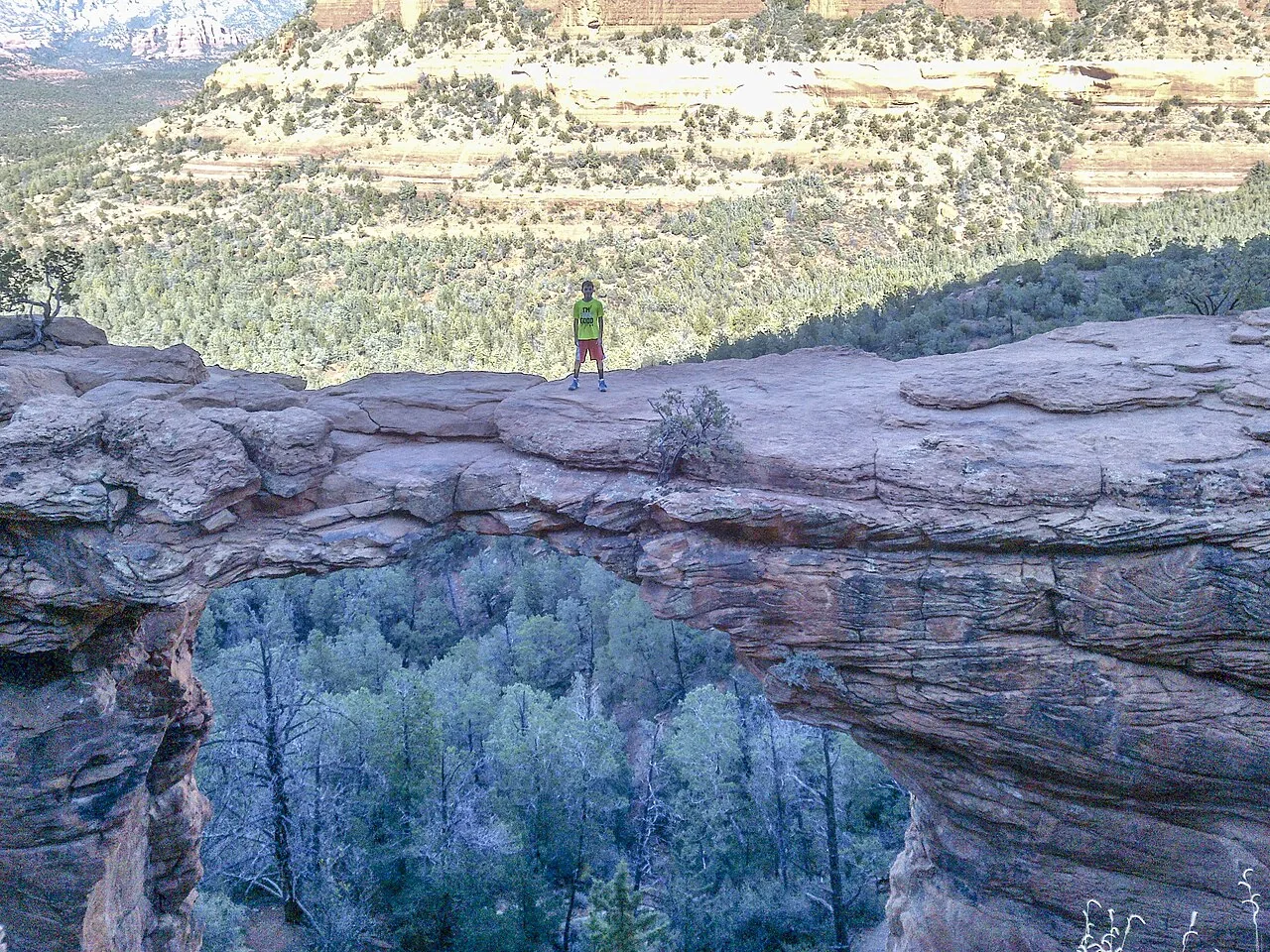
Devil’s Bridge is the famous natural arch you’ve seen on Instagram. The distance depends entirely on where you start:
- From the Dry Creek Vista / Mescal trailheads (paved access, where the shuttle drops you): roughly 4.5–5.8 miles round trip on rolling, mostly easy trail with a short steep finish.
- From the Devil’s Bridge trailhead itself: about 2 miles round trip — but you can only reach that lot with a high-clearance 4×4. The forest road (FR 152) is genuinely rough, and rental sedans should not attempt it. Don’t be the person who tears up an oil pan trying to save a mile.
Expect a line to take your photo on the arch in peak season; the earlier you arrive, the shorter it is. The Devil’s Bridge page has the full breakdown.
Local tip: Both of these are exposed with almost no shade. In summer, “sunrise start” isn’t a suggestion — it’s how you avoid hiking the steep parts in dangerous heat. Carry more water than you think you need (at least a liter per person for the short hikes, more for Devil’s Bridge from the far lot), and turn around if you’re out of water.
Breakfast: Coffee Pot Restaurant
Come down off the rock hungry and earn your breakfast at the Coffee Pot Restaurant (2050 W SR 89A), a Sedona institution since the 1950s famous for its “101 omelettes.” It’s first-come, first-served with a sign-in waitlist — no reservations — and open roughly 6 a.m.–2 p.m. A full parking lot looks scary but tables turn fast. The food is classic American diner, generous, and not fussy. For other morning options, see breakfast & brunch.
Midday: Pink Jeep Broken Arrow tour
Book the Broken Arrow tour with Pink Jeep Tours (officially Pink Adventure Tours) for late morning or early afternoon. Pink Jeep is the only outfitter permitted on the Broken Arrow trail, and it’s the classic Sedona off-road experience — climbing up and over slickrock, a steep descent at “Devil’s Staircase,” and big views the whole way. It runs roughly two hours. Book ahead; popular slots sell out, and you’ll want a time that leaves you the afternoon free. Confirm current pricing on their site. There’s a roundup of operators on the jeep tours page.
If a guided jeep isn’t your thing, the alternatives are good: a hot air balloon ride at dawn (move it to your sunrise slot), mountain biking on world-class trails, or renting your own jeep or ATV.
Afternoon: regroup
Here’s where having a real home base pays off. After a dawn scramble and a bouncy jeep tour, the smart move is to go horizontal for a couple of hours during the hottest part of the day. Nap, swim, read on the patio. If you’re staying at Pickler House, this is the natural time to settle a friendly best-of-three on the indoor court — the climate-controlled court means the afternoon heat is somebody else’s problem. Then shower and head out fresh for dinner.
Dinner: Mariposa
For the trip’s nicest meal, book Mariposa Latin Inspired Grill (700 W SR 89A), Chef Lisa Dahl’s Latin-inspired restaurant with a wall of glass facing the red rocks. Reserve well ahead and ask for a table timed near sunset — the view is half the experience. Dinner here is on the higher end; check current hours and book through their reservation system. If Mariposa is full or over budget, the restaurants with views and fine dining pages have strong backups.
Day 3 — Canyon, vortex, and your choice on the way out
Day 3 flexes around your energy and your departure time. The anchor is a shady canyon hike up Oak Creek Canyon (a relief if Days 1 and 2 cooked you), a stop at a vortex, and an optional day-trip detour as you leave.
Morning: West Fork or Slide Rock
Both are up Oak Creek Canyon on SR 89A north of town — one of the prettiest drives in the state. Pick based on what you want.
West Fork of Oak Creek (Trail #108) is the best easy-to-moderate hike around Sedona: about 6.5–7 miles round trip following the creek up a narrowing canyon, crossing the water a dozen-plus times, almost entirely shaded. It’s flat-ish and family-friendly, just long. Park at the Call of the Canyon site, which has its own per-vehicle fee (the standard Red Rock Pass doesn’t cover it). Expect your feet to get wet at the crossings and the lot to fill early on weekends. The West Fork page has the full guide.
Slide Rock State Park is the natural water slide — a stretch of slick sandstone in Oak Creek where you can scoot down the chutes into the pools. It’s a blast with kids and on hot days, and a zoo on summer weekends. It charges a per-vehicle entry fee that’s higher May–September; arrive early because the park closes the gate when the lot is full. Water shoes and a willingness to be cold help. The Slide Rock page covers logistics.
You can’t really do both well in one morning, so choose: West Fork for a peaceful hike, Slide Rock for splashing around.
Midday: a vortex visit
On your way back into town, fold in a vortex stop if you didn’t already at Bell Rock or Airport Mesa. The four classic sites are Airport Mesa, Cathedral Rock, Bell Rock, and Boynton Canyon. Boynton is a beautiful, longer canyon hike on the west side with a famous short spur to “Kachina Woman”; if you’ve got the legs, it’s worth it (Boynton Canyon). If you just want the idea without the miles, Airport Mesa’s saddle is the easiest to reach. Guided options are on the spiritual tours page; the concept itself is explained on the vortexes guide.
On the way out: Jerome or Montezuma Castle
If you’re driving south toward Phoenix, two detours are worth a couple of hours:
- Jerome is a former copper-mining town clinging to Cleopatra Hill, about 45 minutes southwest of Sedona via 89A through the Verde Valley. It’s now full of galleries, wine-tasting rooms, ghost-tour lore, and switchback streets with huge views. Park once and walk; the town is tiny and steep. See the Jerome day trip page.
- Montezuma Castle National Monument is a remarkably preserved cliff dwelling built by the Sinagua people, an easy stop right off I-17 about 25–30 minutes from the Village. The entrance fee is modest (around $10 per adult, free under 16; America the Beautiful passes accepted), and the loop trail to view the dwelling is short, paved, and accessible. More on the Montezuma Castle page.
If you’re flying out of Flagstaff or have an extra half-day, the Flagstaff day trip and even a Grand Canyon day trip are on the table — just know the Grand Canyon is a long out-and-back (roughly two hours each way to the South Rim) and makes for a full day, not an “on the way out” stop.
Three-day plan at a glance
| Day | Morning | Midday / Afternoon | Evening |
|---|---|---|---|
| Day 1 — Ease in (south) | Bell Rock / Courthouse Butte loop | Lunch in the Village → Tlaquepaque | Sunset at Airport Mesa → dinner Uptown |
| Day 2 — Signature | Sunrise Cathedral Rock or Devil’s Bridge → Coffee Pot breakfast | Pink Jeep Broken Arrow tour → rest / pool / pickleball | Dinner at Mariposa (book ahead) |
| Day 3 — Canyon + choice | West Fork or Slide Rock (Oak Creek Canyon) | Vortex visit (Airport Mesa or Boynton) | Jerome or Montezuma Castle on the way out |
Confirm hours, fees, and shuttle schedules before each day — they shift with the season.
What to bring
Sedona is high desert: dry, sunny, and bigger temperature swings than people expect. Pack for it.
- Water, then more water. Carry at least a liter per person on any hike, two on West Fork or summer climbs.
- Real shoes. Trail runners or hiking shoes with grip — Cathedral Rock and the slickrock are no place for flip-flops. Bring water shoes for West Fork or Slide Rock.
- Sun protection. Hat, sunglasses, high-SPF sunscreen, lip balm. Shade is scarce on the famous trails.
- Layers. Mornings and evenings can be 30–40°F cooler than midday, especially spring and fall.
- A small daypack, snacks, and a charged phone. Download offline maps; cell service drops in the canyons.
- Cash or card for kiosks and gate fees, plus your Red Rock Pass or America the Beautiful pass on the dash.
When to go, and how to dodge the crowds
There’s no secret quiet season anymore — Sedona is busy most of the year — but the experience varies a lot by month and time of day.
- Spring (March–May) and fall (September–November) are the best weather and, predictably, the most crowded. Book restaurants and tours ahead.
- Summer (June–August) is hot — frequently mid-90s to 100°F+ midday — but mornings are fine and Oak Creek Canyon (West Fork, Slide Rock) is noticeably cooler and shadier. Hike early, rest at midday, play in the water in the afternoon.
- Winter (December–February) is the quietest and surprisingly pleasant: cool, clear days, occasional snow dusting the red rocks (gorgeous), and far fewer people. Some higher trails get icy.
The crowd-avoidance playbook is simple: start early, use the free shuttle for the popular trailheads, eat lunch off-peak or on the south side, and save shopping and galleries for the hot middle of the day. Weekdays beat weekends everywhere. If you only remember one thing, remember that the parking lot — not the trail — is usually what ruins a Sedona morning, and an early start solves it.
Accessibility and easier options
Not everyone wants to scramble up slickrock, and you don’t have to in order to see Sedona well.
- Drives: The Red Rock Scenic Byway (SR 179) and the Oak Creek Canyon drive (SR 89A north) deliver world-class scenery from the car, with frequent pull-outs. See red rock scenic byway and Oak Creek Canyon drive.
- Easy walks: The Bell Rock Pathway is wide and gentle; Tlaquepaque is flat and shaded; the Chapel terrace and Airport Mesa overlook need only short walks from parking.
- Accessible sights: Montezuma Castle’s viewing loop is paved and short. Many jeep tours can accommodate riders who can’t hike.
- For a gentler trip overall, lean on the easy hikes page and consider swapping Day 2’s sunrise scramble for a hot air balloon ride.
If you’re traveling with a group of mixed abilities and energy, the most underrated planning move is having a comfortable base everyone can return to. Some want a sunrise hike; others want a slow morning and a pool. Pick lodging with room to spread out so the hikers and the loungers don’t have to do the same thing.
Variants: tune the plan to your trip
The skeleton above works for most people. Here’s how to bend it.
For families with kids
Dial down the scrambles and dial up the water and the wow without the sweat.
- Day 1: Bell Rock Pathway (turn around whenever the kids are done), Chapel, Tlaquepaque, easy Uptown dinner.
- Day 2: Skip the Cathedral Rock scramble — do an easy stretch of Bell Rock Pathway instead — then the Pink Jeep tour (kids love the bouncing) and an afternoon at the pool.
- Day 3: Slide Rock is the kid highlight of the whole trip; go early, pack towels and water shoes.
For adventure-seekers
Pack the days and chase the hard stuff.
- Day 1: Swap the easy loop for Soldier Pass (Seven Sacred Pools, Soldier Pass Cave) early, then sightsee.
- Day 2: Sunrise Devil’s Bridge from the far trail, Broken Arrow jeep tour, and if you’ve still got legs, a sunset hike. Or trade the jeep for mountain biking or renting a jeep/ATV to self-drive Broken Arrow.
- Day 3: Full West Fork, or a bigger objective from the hard hikes page like Bear Mountain or Brins Mesa.
For relaxation
Less mileage, more lingering.
- Day 1: One short morning walk, then Tlaquepaque, a long lunch, and a spa or wellness afternoon.
- Day 2: Hot air balloon or a leisurely jeep tour, then nothing — pool, patio, a rally on the court, an early dinner with a view.
- Day 3: The shaded, flat West Fork walk at a stroll, a vortex sit, and the scenic drive home with one easy stop at Montezuma Castle.
However you tune it, the rhythm that makes Sedona work is the same: be out at first light, retreat from the midday heat, and come back for the evening glow. Plan loosely, start early, drink water, and leave room to do nothing — that last part is the one most people skip and regret.
Frequently asked questions
Is 3 days enough time in Sedona?
Do I need a Red Rock Pass for this itinerary?
What's the best time of year to visit Sedona?
Should I do Cathedral Rock or Devil's Bridge on Day 2?
How do I avoid the worst of the crowds?
Can I do this itinerary without hard hiking?
Stay where you can rally any season
Sedona Pickler is a private West Sedona vacation home with its own indoor, climate-controlled pickleball court — a short drive from the trailheads, viewpoints and restaurants in this Sedona guide. Play at sunrise or after dark, in any weather.
Check availability on Airbnb