
Half an hour south of Sedona’s red rocks, out on the high desert flats near Camp Verde, there’s a place where a giraffe will lean its whole long neck over a railing to take a cracker out of your hand and a tiger will belly-flop into a pool to wrestle a ball away from its keeper. Out of Africa Wildlife Park has been running since 1988, and it’s one of those outings that works for absolutely everyone in the group — the four-year-old, the teenager who claims to be bored by everything, and the grandparents who don’t want to hike another trail. It’s a genuine change of pace from canyons and vortexes, and on a hot afternoon or a rainy day it’s one of the best moves in the area.
What Out of Africa Actually Is
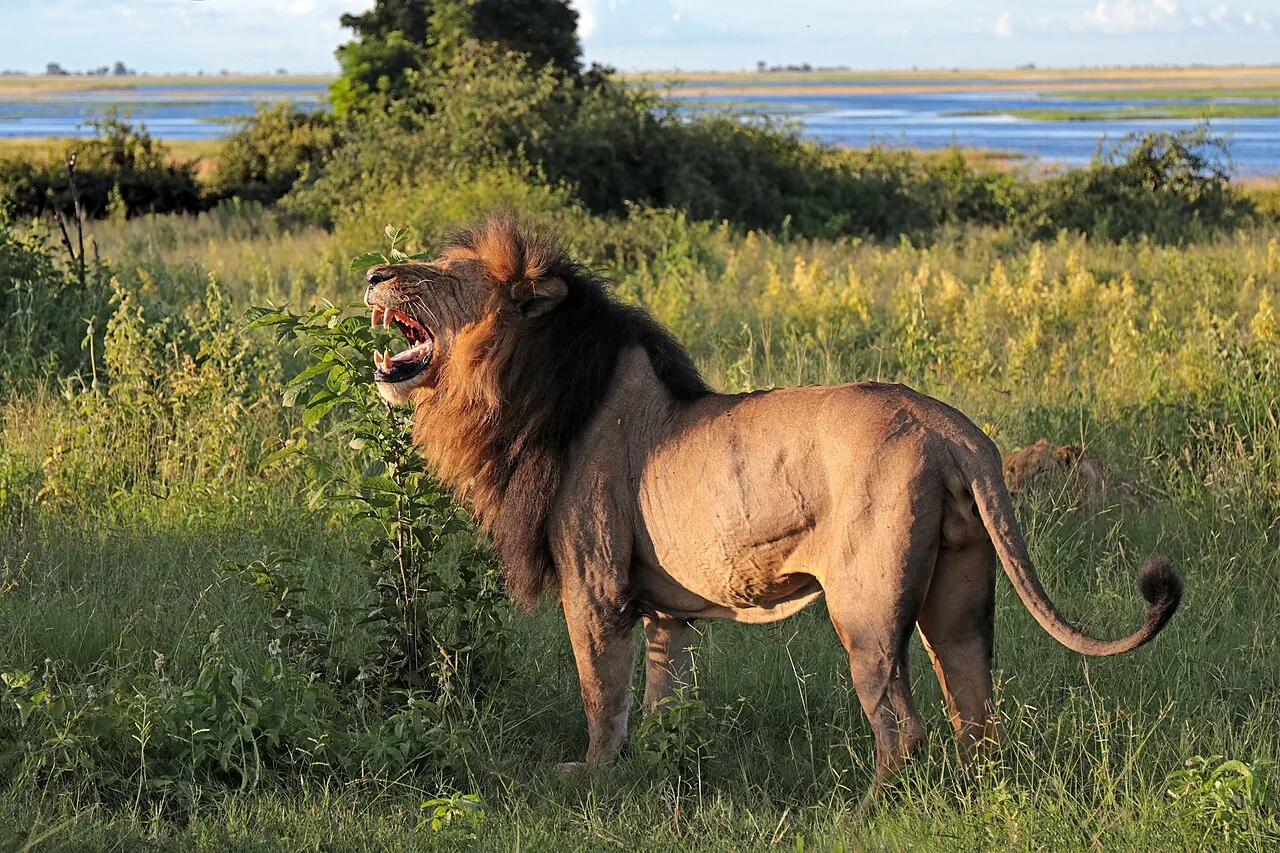
It’s a wildlife park and animal sanctuary spread across a big chunk of high desert, home to lions, tigers, giraffes, hyenas, rhinos, primates, reptiles, and a long list of African and exotic animals. The thing that sets it apart from a standard zoo is how you experience it. Rather than walking past enclosure after enclosure, you ride an open-sided safari bus through large pastures where the hoofed animals roam, and you watch keeper-led shows built around the animals’ natural behavior. It leans into education — the guides talk through what you’re seeing as you go — but it’s also unapologetically fun and a little theatrical.
The park has been around since 1988 and carries a strong reputation; it consistently rates around 4.6 stars across thousands of visitor reviews, which for an animal attraction is high. It’s not a slick, corporate mega-zoo, and that’s part of the appeal: it feels personal, hands-on, and built by people who clearly love the animals.
Here’s the honest version of what to expect. The setting is open desert, so summer afternoons are hot and exposed — morning is better in the warm months. It’s a working sanctuary, so the schedule revolves around the animals, not the other way around, and not every animal is active at every moment. And while the encounters are close, this is still a wildlife park: you’re watching real predators behave like predators, which is exactly what makes it memorable.
The Signature Experiences
A few things are the reason people make the drive, and you’ll want to plan your visit around their show times.
The African Bush Safari
This is the headline. You board an open-air bus and ride out through wide pastures where giraffes, watusi cattle with their enormous horns, antelope, and other grazers wander freely. The animals are used to the bus and come right up to it, and the guides hand out feed so you can offer a giraffe a snack from a few feet away — or less. Having a giraffe’s head swing toward you, eye-level, is the moment most kids (and plenty of adults) talk about for the rest of the trip. The narration along the way is genuinely interesting, covering how the animals live and how the park cares for them.
Tiger Splash
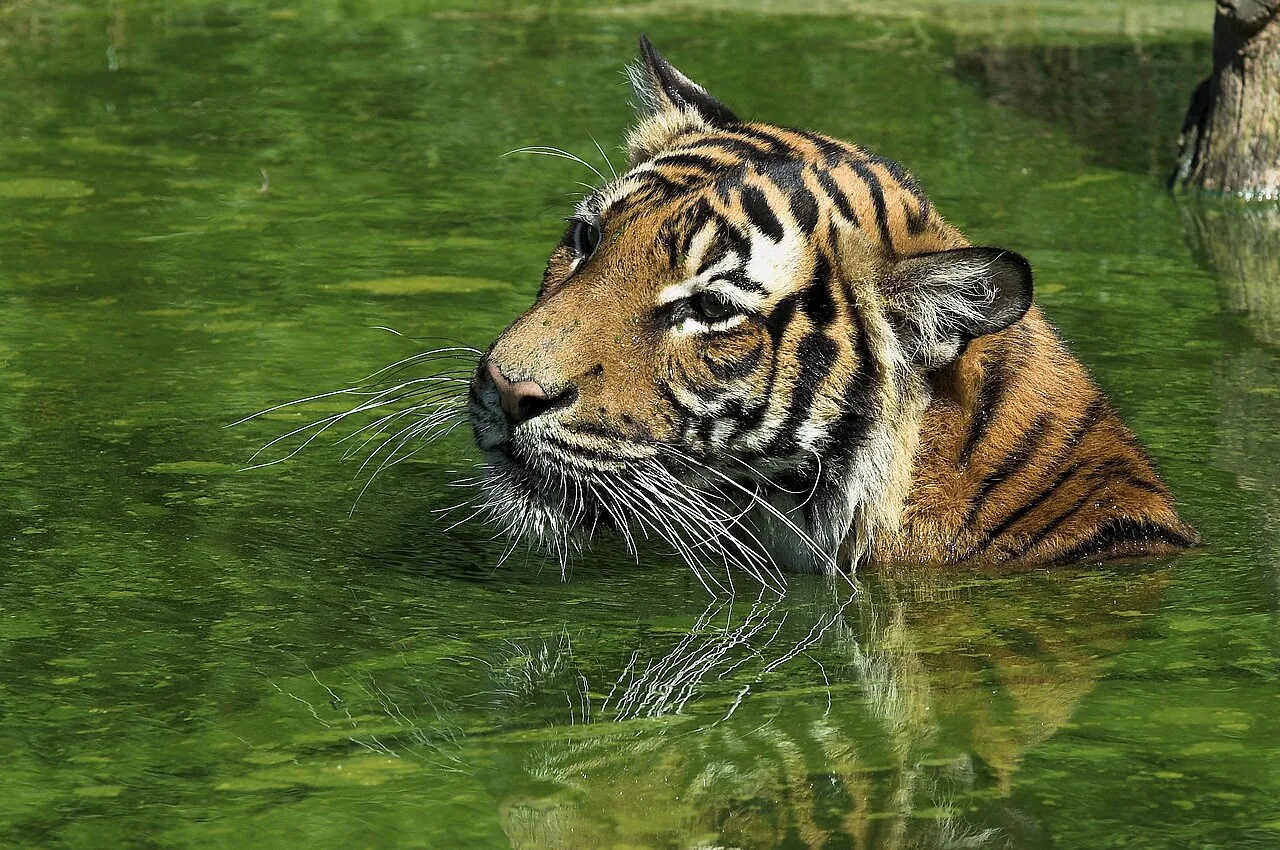
Tiger Splash is the park’s signature show and unlike anything you’ll see at a typical zoo. Keepers get in with the tigers and play — tossing balls and toys into a pool, and the tigers leap, swim, and wrestle after them. It’s not a trained circus act; it’s structured play that lets the big cats do what they’d naturally do with water and prey-like objects, and it shows off their power and athleticism up close. Show times are set, so check the daily schedule when you arrive and build your visit around catching it.
Predator Feedings and Animal Encounters
On a schedule through the day, you can watch the lions, tigers, and other big predators get fed, which is loud, intense, and a real lesson in what these animals are. The park also offers add-on experiences for an extra fee — things like a “Feed a Tiger” encounter and other behind-the-scenes interactions — for visitors who want to get even closer. Beyond the scheduled shows there are walk-through areas and exhibits, including a reptile house, so there’s plenty to fill the time between the headline events.
Getting There from Sedona
The drive is easy — no white-knuckle switchbacks like the road up to Jerome. From Sedona, head southwest on State Route 89A toward Cottonwood, then pick up State Route 260 toward Camp Verde. The park sits right on SR 260 at 3505 W. State Route 260, about 26 miles and a 30-minute drive from Sedona. It’s well signed, and the parking lot is large and free.
Driving Times at a Glance
| From | To | Approx. distance | Approx. drive time |
|---|---|---|---|
| Sedona | Out of Africa (via 89A/260) | ~26 miles | ~30 min |
| Cottonwood | Out of Africa | ~9 miles | ~15 min |
| Montezuma Castle | Out of Africa | ~15 miles | ~20 min |
| Out of Africa | Sedona Pickler (West Sedona) | ~24 miles | ~30 min |
Local tip: Go in the morning, especially May through September. The park opens at 9:30 and the animals — and you — are far more comfortable before the desert heat peaks. Morning also gives you the full run of show times so you can see the safari, Tiger Splash, and a feeding without rushing.
Hours, Tickets, and How Long to Stay
The park is generally open daily from 9:30 a.m. to 5:00 p.m., with last admission around 4:00 p.m., and it’s closed only on Thanksgiving and Christmas. The shows run on a fixed daily schedule that shifts a bit by season, so the smart move is to pull up the current schedule on the park’s website before you drive over and sketch out which shows you want to hit.
Admission is charged per person, with reduced pricing for children and seniors, and tickets are sold both online and at the gate. Prices change from year to year, so check the official site for the current rate rather than trusting an old number you read somewhere. If you know your date, buying online ahead of time is the easy call.
Plan on three to four hours to do it justice — enough to ride the safari bus, catch Tiger Splash and a predator feeding, and wander the exhibits. A free shuttle loops the grounds, so anyone who’d rather not walk the whole property doesn’t have to, and the main areas are stroller- and wheelchair-accessible.
Who It’s Best For
This is one of the most genuinely multi-generational outings in the whole Verde Valley. If you’ve got a group spanning little kids to grandparents — the kind of group that fills a house and doesn’t all want to do the same hike — Out of Africa solves the day. The animal encounters land with every age, the safari bus and shuttle mean nobody has to hike, and the scheduled shows give the day a comfortable rhythm. It’s also a lifesaver on the days when Sedona’s weather won’t cooperate for the trails: too hot, too windy, or a monsoon afternoon.
It’s not the right pick if your group is all serious hikers chasing summits, or if you’re squeamish about watching predators be fed. But for families, for a rest day, or for anyone who likes animals, it’s a standout.
What to Bring
- Sun protection. The park is open desert with limited shade. Hats, sunscreen, and sunglasses are essential in the warm months.
- Water and a refillable bottle. It’s dry and hot; stay ahead of it. There’s food and drink for sale, but bring your own water for the safari and walking.
- Closed, comfortable shoes. You’ll do some walking between exhibits even with the shuttle.
- A camera or zoomed-in phone. The giraffe-feeding and Tiger Splash moments are worth capturing.
- Cash for the extras. The add-on encounters and feed are typically separate from admission.
- Layers in winter. High-desert mornings can be cold even when afternoons are mild.
Make a Day of It
Because Out of Africa sits in the Verde Valley, it pairs naturally with the area’s other easy, non-hiking stops. Montezuma Castle, the well-preserved Sinagua cliff dwelling, is only about 20 minutes farther southeast and makes a perfect second stop — a quick, shaded, mostly-flat visit that’s a complete change of subject. Or swing back through Old Town Cottonwood for lunch and a wine tasting on its flat, walkable Main Street, which is a gentle way to wind down after a morning at the park. If your group still has energy, the historic ghost town of Jerome is up the hill from Cottonwood.
A relaxed full day might look like this: arrive at Out of Africa at opening, ride the safari and catch the morning shows, break for lunch in Cottonwood, and either taste a flight or two before heading home or push on to Montezuma Castle for an hour. You’ll have seen giraffes, tigers, ancient cliff dwellings, and Arizona wine country, all within about half an hour of home.
And that’s the quiet luxury of basing a Sedona trip somewhere with its own indoor court: you can spend a big, hot day chasing animals around the Verde Valley and come home to a private, climate-controlled rally before dinner — no crowds, no heat, no driving, just your group and the court. It’s a good way to bookend a day that the kids will be talking about long after the trip is over.
Frequently asked questions
How far is Out of Africa Wildlife Park from Sedona?
What are the must-do experiences at the park?
What are the hours and is it open year-round?
How much time should I plan for?
Is it good for young kids and older relatives?
How much does it cost?
Stay where you can rally any season
Sedona Pickler is a private West Sedona vacation home with its own indoor, climate-controlled pickleball court — a short drive from the trailheads, viewpoints and restaurants in this Sedona guide. Play at sunrise or after dark, in any weather.
Check dates & book


