Jerome: A Historic Ghost Town Day Trip
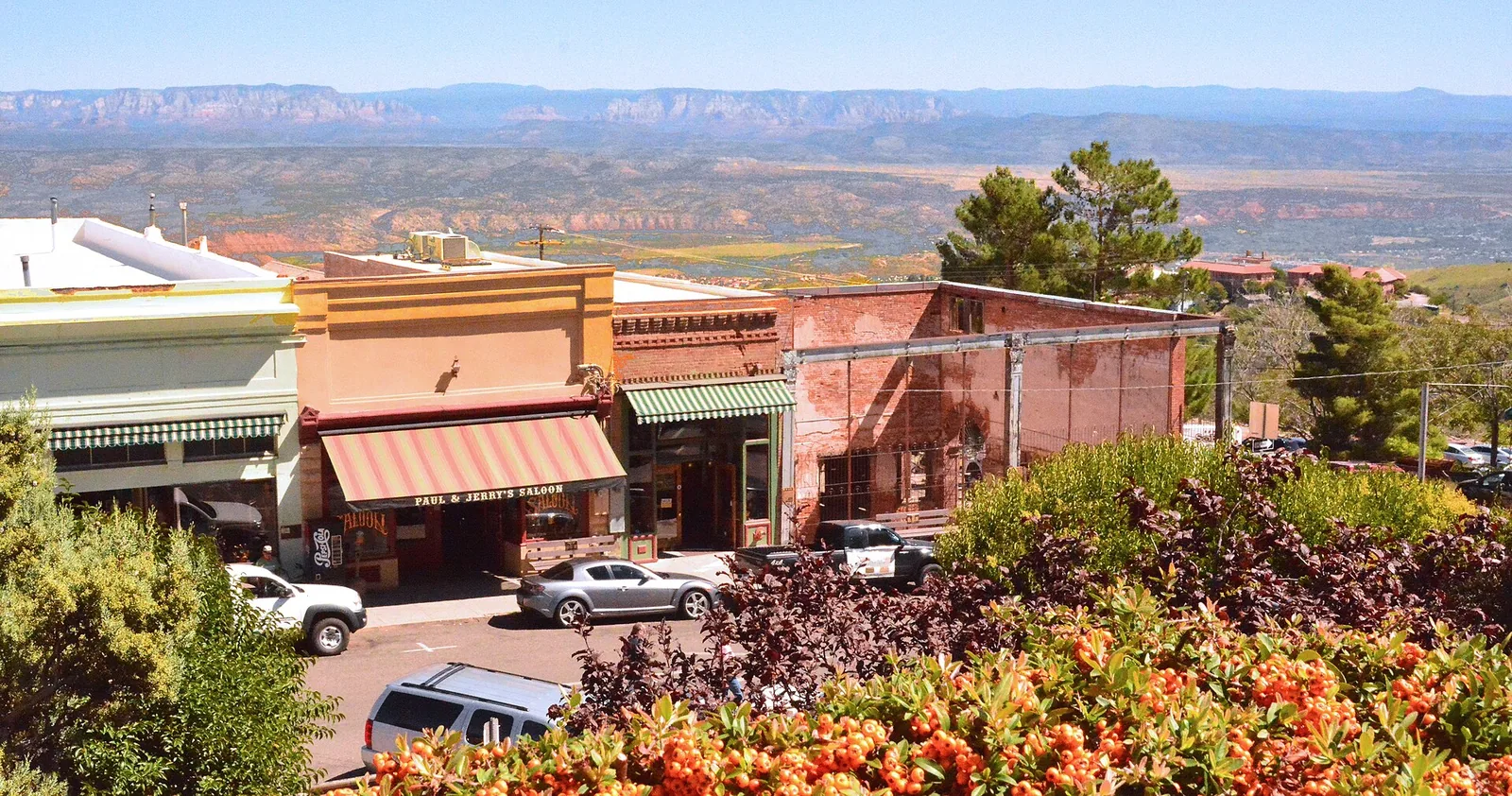
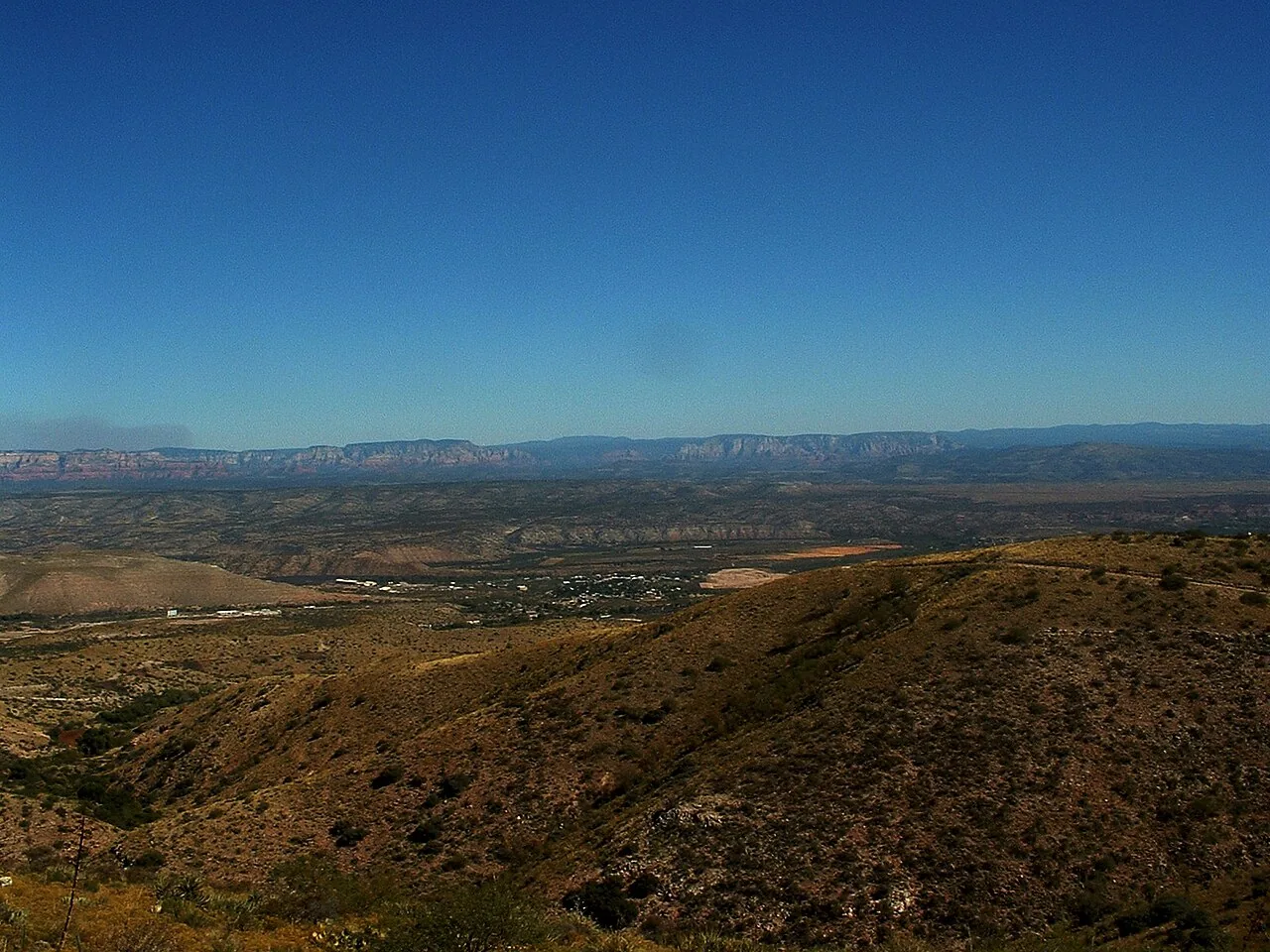
Jerome is a former copper-mining boomtown that clings to the side of Cleopatra Hill at over 5,000 feet, looking like it might slide off into the Verde Valley at any moment. A hundred years ago it had more than 10,000 people and a reputation as the “wickedest town in the West”; today it’s home to a few hundred residents and a tangle of galleries, wine tasting rooms, old saloons, and supposedly a lot of ghosts. It’s an easy half-day trip from Sedona, about 45 minutes each way, and it’s one of those places that’s genuinely strange and genuinely fun to wander.
What Jerome Is, and Why It’s Worth the Drive
Jerome started as a mining camp in the 1880s after high-grade copper ore was found in Cleopatra Hill. It was named after Eugene Jerome, a New York financier who backed the United Verde Copper Company. The town grew fast and rowdy, incorporated in 1899 as the fourth-largest town in Arizona, and at its peak in the 1920s held more than 10,000 people on a hillside that, frankly, was never meant to hold a town at all. The mines pulled an enormous amount of copper out of the hill over the decades, and when Phelps Dodge finally closed the operation in 1953, the population collapsed. By the 1950s and ’60s Jerome was nearly a ghost town, down to a few dozen holdouts.
What saved it was that it didn’t get bulldozed. Artists, hippies, and assorted oddballs moved into the empty buildings in the late ’60s and ’70s, and Jerome slowly reinvented itself as an arts town. That’s what you’ll find now: a dense, vertical little place where the buildings stack up the hillside on steep switchback streets, full of galleries, gift shops, restaurants, wine tasting rooms, and a couple of famously haunted hotels. The mining bones are everywhere, the views over the Verde Valley toward Sedona’s red rocks are genuinely sweeping, and the whole place has a worn, real, slightly off-kilter character you don’t get in a manufactured tourist town.
Here’s the honest version: Jerome is small, and on a busy weekend it gets crowded and the parking gets miserable. It’s mostly shopping, eating, drinking, and poking around old buildings — it is not a hiking destination, and if you’re not into galleries or wine you might do the whole town in a couple of hours. But for a change of pace from the trails, a rainy or windy day, or an afternoon of wine and weird history, it’s a great trip. Pair it with the Verde Valley wine scene in Cottonwood and the ancient pueblo at Tuzigoot and you’ve got a full, easy day that doesn’t involve a single switchback you have to hike up.
How to Get There, Parking, and What It Costs
Jerome sits about 27 miles from Sedona, roughly a 45-minute drive. The route is simple and scenic: take State Route 89A out of Sedona heading southwest. You’ll drop down out of the red rock country, pass through Cottonwood and its Old Town, skirt Clarkdale, and then 89A starts climbing the switchbacks up Cleopatra Hill into Jerome. The road up is paved and fine for any car, but it’s steep and winding with tight curves and a few hairpins — take it slow, especially if someone in the car is prone to motion sickness.
A few notes that will save you grief:
- You do not need a Red Rock Pass for Jerome. The Red Rock Pass is for parking at Forest Service trailheads and recreation sites in the red rock country around Sedona. Jerome is a town, not a national forest site, so it doesn’t apply here. (You only need to think about the Red Rock Pass if you’re stopping to hike on the Sedona side.)
- Parking is the real challenge. Jerome’s streets are narrow, steep, and stacked along the hillside, and there’s no big central lot. There are some public parking areas and street parking, but on busy weekends it fills up and you may end up circling or parking well below the main shops and walking up. Arrive early in the day for the best shot at a spot.
- The town is walkable but vertical. Once you park, you explore on foot, and “on foot” means up and down steep grades and staircases. Comfortable shoes matter more here than you’d expect for a shopping town.
Driving Times and Distances at a Glance
| From | To | Approx. distance | Approx. drive time |
|---|---|---|---|
| Sedona | Jerome (via 89A/Cottonwood) | ~27 miles | ~45 min |
| Sedona | Cottonwood Old Town | ~19 miles | ~30 min |
| Cottonwood | Jerome | ~8 miles | ~15–20 min |
| Tuzigoot National Monument | Jerome | ~5 miles | ~10–15 min |
Local tip: Get to Jerome by mid-morning on weekends. The town wakes up late — many galleries and shops don’t open until 10 or 11 — but the parking situation gets worse as the day goes on, not better. Arriving around opening time means you get a parking spot, beat the afternoon crowd, and can do your wine tasting later when you’re not driving the switchbacks back to Sedona on an empty stomach.
The Big Things to See and Do
Jerome State Historic Park (Douglas Mansion)
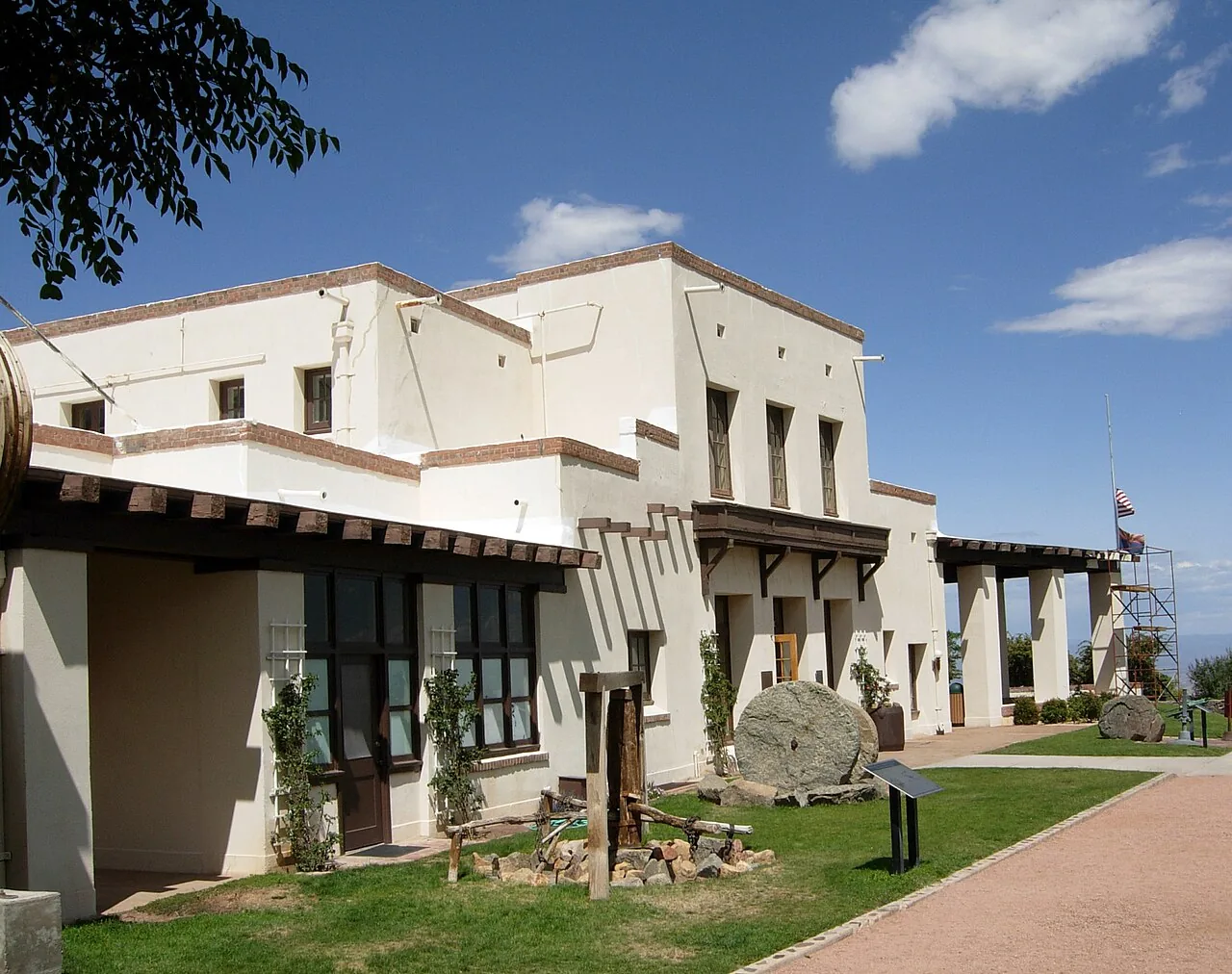
If you do one “official” stop, make it this one. The Douglas Mansion sits on a hill just above the old Little Daisy Mine, built in 1916 by mining man James S. Douglas. It’s now the centerpiece of Jerome State Historic Park, run by Arizona State Parks, and it works as a museum of the town’s mining history and the Douglas family. Inside you’ll find photographs, mining artifacts, minerals, a video presentation, and a 3-D model of the town showing the underground mine tunnels honeycombing the hill beneath your feet — which really drives home how much of Jerome is hollow.
The museum and park store are generally open 10 a.m. to 4 p.m. daily, year-round, and admission has run in the range of around $7 for adults with reduced pricing for kids and free admission for the youngest. Prices and hours change, so confirm the current ones on the Arizona State Parks site before you go. The grounds also give you one of the best easy views over the Verde Valley, with picnic spots if you want to bring lunch. The park is at 100 Douglas Road, slightly off the main drag, which means it has its own parking — a small mercy in Jerome.
Gold King Mine & Ghost Town
About a mile north of town up Perkinsville Road, the Gold King Mine & Ghost Town is a sprawling, gloriously cluttered outdoor collection of old mining equipment, antique cars and trucks, a sawmill, a petting area with animals, and assorted rusting machinery. It leans heavily into the “rusty ghost-town junkyard” aesthetic, and that’s exactly the appeal — it’s photogenic, eccentric, and very hands-on-feeling. They’ve sometimes fired up old engines and run demonstrations. It’s been open daily with a day or two closed midweek, generally 10 a.m. to 5 p.m., with admission around $12 per adult and extras for gold and gem panning. Confirm hours and pricing on their site before driving up. The road out is short but unpaved in spots; a normal car handles it fine in dry weather, just take it slow.
The Sliding Jail
One of Jerome’s signature oddities. The town jail, a heavy concrete cell block built around 1905, was shaken loose from its foundation by years of underground dynamite blasting from the mines below. Over time it slid roughly 225 feet down the hillside from where it started, eventually coming to rest off its original spot, sitting at a visible tilt. It’s free, it’s quick, and it’s a great example of what mining did to the literal ground Jerome stands on. It’s a photo stop more than an attraction, but it’s worth the few minutes to find it and read the story.
The Haunted Hotels
Jerome trades hard on being haunted, and two buildings anchor the reputation.
The Jerome Grand Hotel is the big one — the tall, imposing building you can see from miles away as you approach town. It opened as the United Verde Hospital in 1927, one of the most modern hospitals in the West at the time, and operated until 1950. A lot of people died there over those years, and the building’s reputation grew from that history. Guests and staff report the usual roster of unexplained footsteps, doors, lights, and cold spots, and there’s a long-told story about a maintenance man named Claude Harvey who died there in 1935. Whether or not you believe any of it, the hotel itself is worth a look for the architecture and the view, and its restaurant and bar are open to non-guests.
The Connor Hotel sits right in the heart of town on Main Street and dates to 1898, back when Jerome was still a hard-drinking mining town. It’s a working hotel and bar today (the Spirit Room bar downstairs is a Jerome institution) and carries its own collection of ghost stories. You don’t have to spend the night to enjoy either place — wandering in for a drink or a meal is plenty.
If the paranormal angle appeals to you, several outfits run guided ghost tours of the town in the evening. They’re a fun, low-stakes way to learn the history even if you’re a skeptic.
Wine, Galleries, and Wandering Main Street
Caduceus Cellars
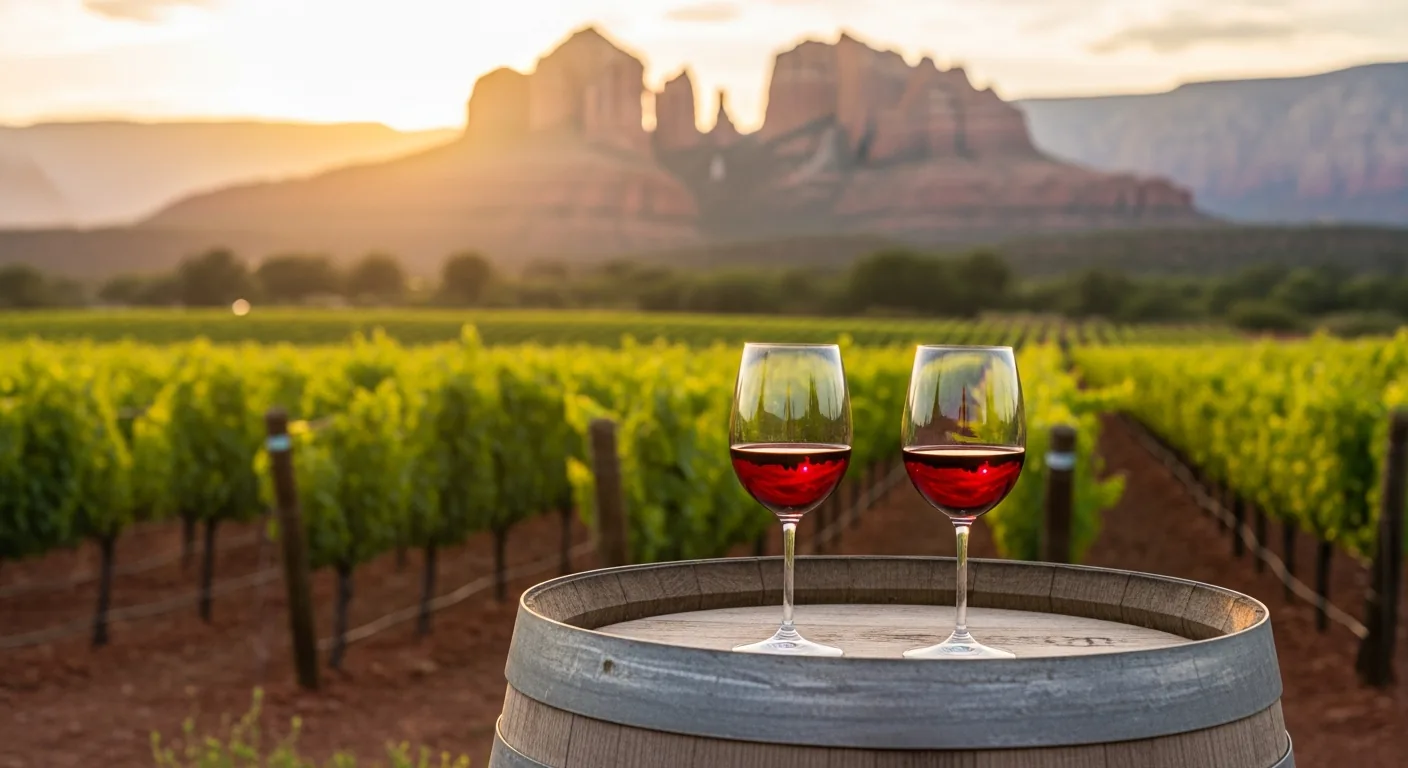
The most famous tasting room in Jerome is Caduceus Cellars, owned by Maynard James Keenan, the singer of the rock band Tool, who’s spent two decades building Arizona’s wine reputation through Caduceus and his Merkin Vineyards label. The Jerome tasting room sits on Main Street and is rustic and welcoming — exposed brick, wood tables, a long bar — and you can do flights, buy bottles, and order small plates of cheese and charcuterie. It’s open daily, with longer hours on weekend evenings. The wine is taken seriously here, and even if you don’t know the band it’s one of the better tasting experiences in the region. Confirm current hours before you go.
Galleries and Shops
Beyond the wine, Jerome’s day-to-day appeal is just wandering. The town is packed with art galleries, working artists’ studios, jewelry makers, glassblowers, leatherworkers, antique shops, and the kind of quirky stores you don’t find in a mall. Because the buildings are stacked vertically on the hillside, half the fun is climbing a staircase between two streets and discovering a shop you didn’t know was there. Quality ranges from genuinely excellent fine art to cheerful tourist kitsch — that’s part of the charm. Plan to just walk, browse, and let it unfold rather than ticking off a list.
Eating in Town
There are plenty of places to eat clustered along the main streets, from casual cafes and a famous burger or two to sit-down restaurants with valley views. Because it’s a small town, popular spots can have a wait at peak lunch hours on weekends, so either eat early or be patient. Several places make the most of Jerome’s altitude with patios that look straight out over the Verde Valley.
Best Time of Day and Season
Jerome’s elevation — over a mile high — shapes everything about when to visit.
- Spring (March–May) and fall (September–November) are the sweet spot: pleasant temperatures, clear air, and big valley views. These are also the busiest seasons, so plan around the crowds.
- Summer is more comfortable than Phoenix or even much of the desert because of the elevation, but it can still be warm in town, and afternoon monsoon storms (roughly July through September) can roll in. The flip side: those storms make for dramatic skies over the valley.
- Winter is quiet and atmospheric. It can be cold and occasionally see a dusting of snow, the switchback road demands extra care if it’s wet or icy, and some businesses keep shorter hours — but you’ll have the place much more to yourself.
For time of day, mornings are calmer and parking is easier; afternoons are livelier but more crowded. A classic plan is to do Jerome’s sights in the morning, drop down to Cottonwood for lunch and wine in the early afternoon, and be back in Sedona by dinner. If you’d rather end with the wine in Jerome, just make sure your driver stays clear, because the road down is no place to be impaired.
What to Bring
- Comfortable, grippy shoes. Jerome is steep, with uneven sidewalks, staircases, and slopes. This matters more than any other single thing.
- Layers. At over 5,000 feet it can be noticeably cooler and windier than Sedona, especially morning and evening, and the weather can shift.
- Water and sun protection. The sun is strong at altitude even when it’s not hot.
- Cash, just in case. Most places take cards, but a few small vendors and tip jars appreciate cash.
- A camera. Between the valley views, the rusting mining gear, the old buildings, and the tilted jail, this is a very photogenic town.
- Patience for parking. Build it into your expectations and it won’t ruin your day.
Accessibility
Be realistic here: Jerome is a steep, historic mining town, and that creates genuine accessibility challenges. The streets and sidewalks are sloped and uneven, many shops sit up or down staircases between street levels, and parking is rarely right next to where you want to be. Visitors with mobility limitations can still enjoy Jerome, but it takes planning — focus on the more level stretches, use the parking closest to your priority stops, and don’t try to do the whole vertical sprawl on foot.
The Jerome State Historic Park is one of the more manageable stops, with its own parking and a relatively contained site, and the museum has accessibility provisions; call ahead to confirm current details for your needs. Tuzigoot National Monument, a good companion stop, has a paved (though gently sloped) loop trail and an accessible visitor center, making it one of the easier history stops in the area. As always, contact any specific site ahead of time to confirm what’s currently available.
How to Avoid the Crowds
Jerome is small enough that crowds are felt quickly. A few strategies:
- Go early in the day, ideally arriving around when shops open. You’ll get parking and a quieter town.
- Go midweek if you can. Weekends, especially in spring and fall, are the busiest by a wide margin.
- Avoid major holiday weekends and any time there’s a town event (Jerome hosts festivals and events that pack the place).
- Start with the outlying stops — Gold King Mine and the State Historic Park both sit slightly outside the densest part of town, so you can knock them out before the midday crush, then walk the main streets.
- Save downtown wine and galleries for after lunch once you’ve already secured parking and gotten oriented.
Safety and Practical Notes
- The drive. The switchbacks on 89A into and out of Jerome are the main thing to respect. Use lower gears on the descent to save your brakes, watch for cyclists and motorcyclists who love this road, and don’t rush blind curves.
- Footing. The steep grades and old staircases are the most common way to turn an ankle here. Watch your step, especially if you’ve been tasting wine.
- Altitude. It’s mild, but at over a mile high some people feel a little short of breath on the climbs and feel alcohol faster. Hydrate and pace yourself.
- Weather. Summer monsoon storms can bring sudden downpours and lightning; winter can bring cold and the occasional icy patch on the road. Check the forecast.
- Old buildings and mine areas. Stick to the public, marked areas. The hillside is honeycombed with old mine workings, and the ground around abandoned mining sites can be genuinely unsafe — never go poking around closed-off areas or open shafts.
What to Pair It With Nearby
The smartest way to do Jerome is to make it part of a Verde Valley loop rather than a standalone errand. The drive between Sedona and Jerome passes two excellent stops that turn a half-day into a satisfying full day.
Tuzigoot National Monument
Just outside Clarkdale, a few miles from Jerome, Tuzigoot National Monument preserves a roughly 800-year-old Sinagua pueblo of around 110 rooms perched on a ridge above the Verde River. A short, paved loop trail takes you up through the ruins to a viewpoint over the valley, and the visitor center explains who built it and how they lived. It’s run by the National Park Service, generally open daytime hours with a modest per-adult entrance fee (kids free), and it’s covered by the America the Beautiful interagency pass if you have one. It’s a quick, genuinely interesting stop and a complete change of subject from copper-mining Jerome. Confirm current hours and fees with the National Park Service before visiting.
Old Town Cottonwood and the Verde Valley Wine Trail
Old Town Cottonwood, about halfway between Sedona and Jerome, is a walkable historic Main Street that’s become the hub of the Verde Valley Wine Trail. There are several tasting rooms within a short stroll of each other, plus restaurants, shops, and a much easier parking situation than Jerome. It’s a relaxed place to have lunch and taste a flight or two before or after the climb up to Jerome. If wine is a big part of your day, doing the tasting here — where the streets are flat and the parking is simple — makes a lot more sense than doing it on Jerome’s hillside.
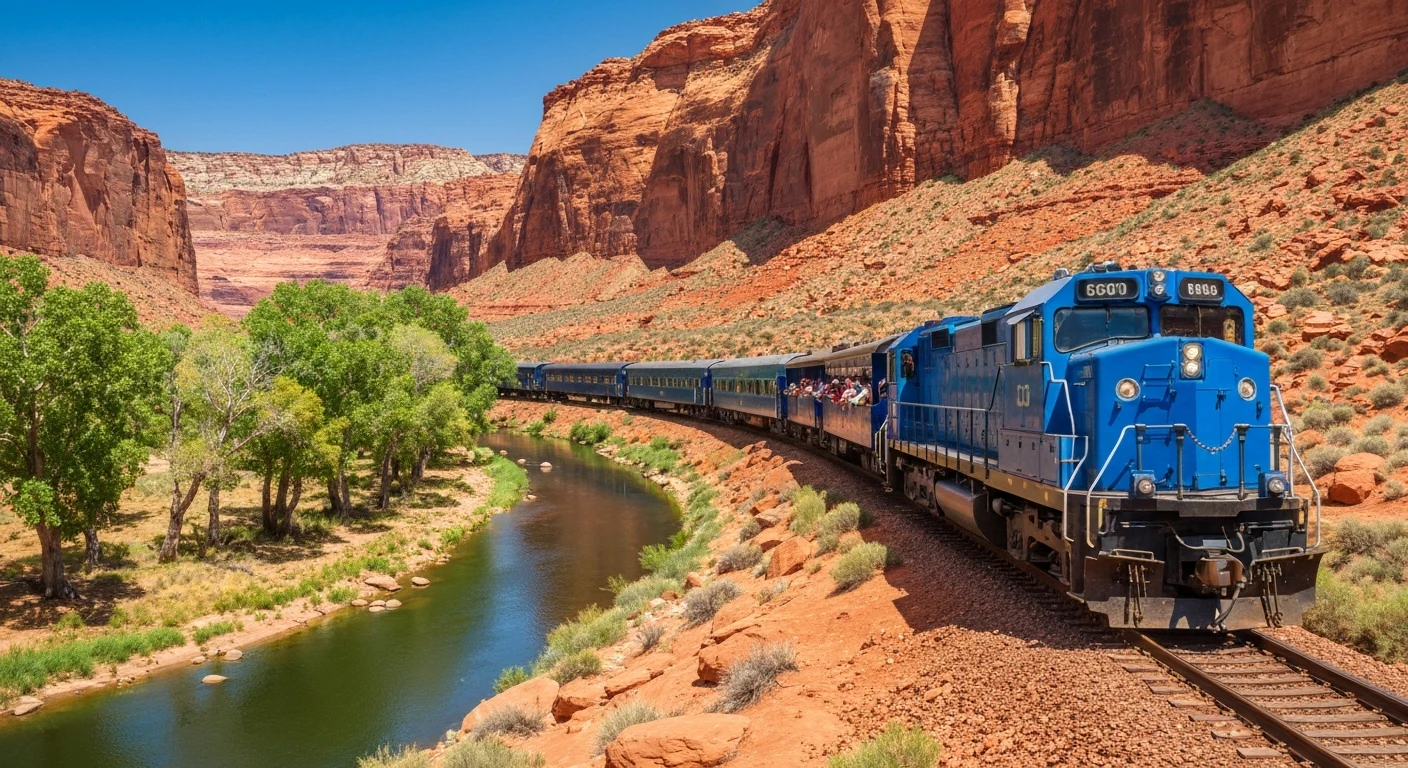
Another easy add nearby is the Verde Canyon Railroad in Clarkdale, a four-hour scenic train ride into a roadless wilderness canyon — a relaxing, non-hiking way to see country you can’t reach by car.
A reasonable full-day loop from Sedona: drive to Tuzigoot in the morning, head up to Jerome for the museum, the sliding jail, and a wander before lunch, then drop back down to Old Town Cottonwood for a relaxed lunch and wine in the afternoon. You’ll see ancient ruins, a ghost town, sweeping views, and Arizona wine country in a single day, all within 45 minutes of home.
And if you’re staying at Pickler House, there’s a nice symmetry to it: a day of switchbacks, mining history, and a tasting flight pairs perfectly with coming home to a rally on the indoor court before dinner — no driving, no crowds, climate-controlled and yours alone.
If you’d rather build your whole trip around easy outings like this, the Sedona day trips and scenic drives are worth lining up: the Red Rock Scenic Byway on the Sedona side and Sedona’s wineries make natural companions to a Jerome and Verde Valley day. For something closer to town the next morning, the gentle easy hikes around Sedona are a good way to balance out a day spent mostly on your feet in shops and tasting rooms.
Frequently asked questions
How far is Jerome from Sedona and how long does it take?
Do I need a Red Rock Pass to visit Jerome?
Is parking hard in Jerome?
What are the must-see attractions in Jerome?
Is Jerome really haunted?
What should I combine with a Jerome trip?
Stay where you can rally any season
Sedona Pickler is a private West Sedona vacation home with its own indoor, climate-controlled pickleball court — a short drive from the trailheads, viewpoints and restaurants in this Sedona guide. Play at sunrise or after dark, in any weather.
Check availability on Airbnb