How much cooler is Sedona, really?
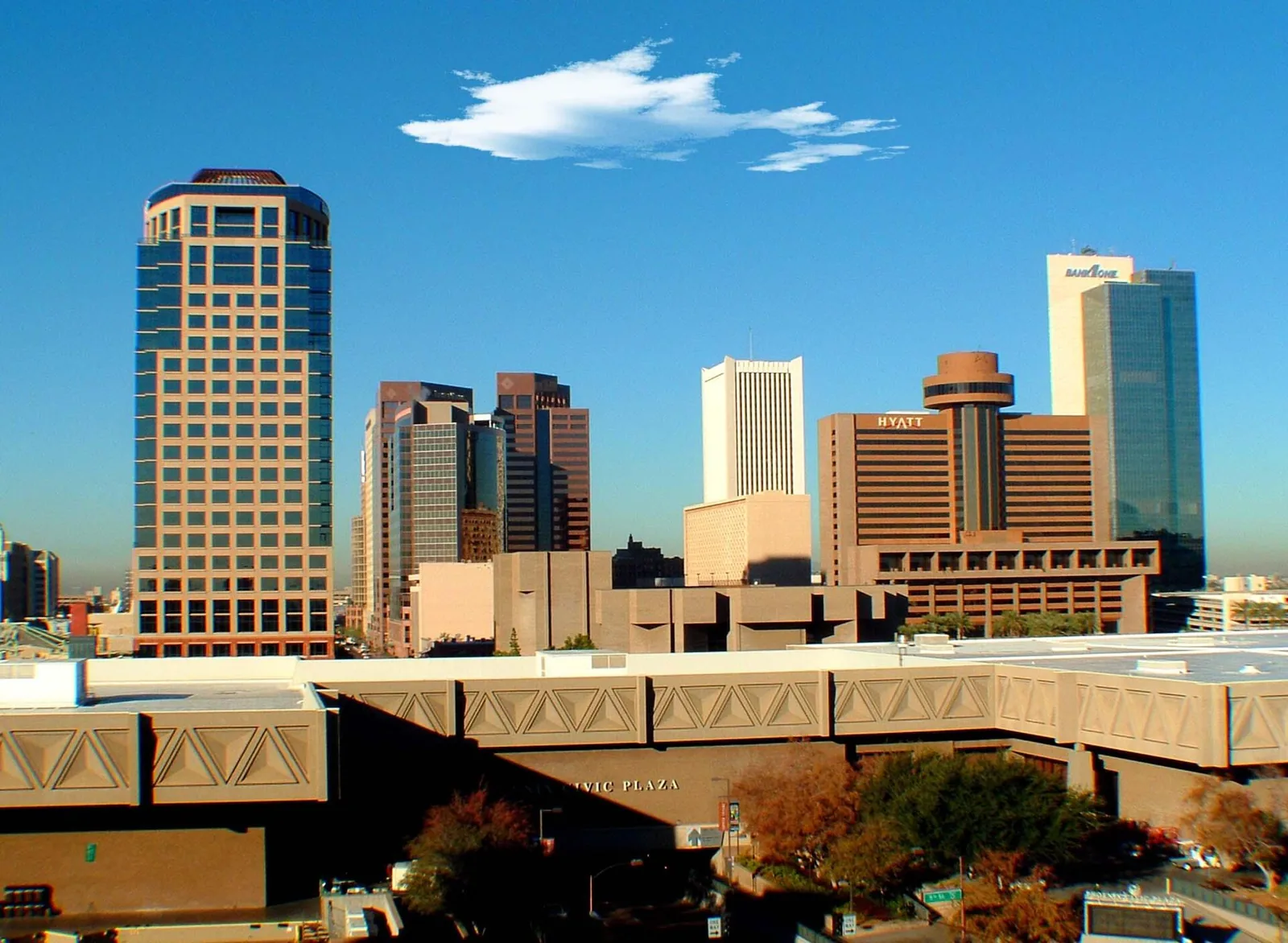
Sedona summers run about 10°F cooler by day than Phoenix — and roughly 17°F cooler at night — at 4,350 feet. And because this court is indoors with air-conditioning, the afternoon heat never gets a vote.
- ~10°Fcooler afternoons than Phoenix
- ~17°Fcooler July nights than Phoenix
- 4,350 ftSedona's elevation
- A/Cindoor court — play any hour
Daytime highs tell only half the story: Sedona's summer nights average in the 60s while Phoenix stays in the mid-80s. And the home's court is indoors and air-conditioned either way — so you rally in comfort while outdoor courts across the valley sit empty. Check availability on Airbnb →
If you live in Tucson, you already know what a July afternoon feels like. The average high sits right at 100°F, and plenty of days push well past it. So the instinct to drive north to Sedona for cooler air is a good one. It’s just worth being straight about what you actually get, because the pitch you’ll see elsewhere tends to oversell it.
Here’s the honest version. Against Phoenix, Sedona is a real daytime break — roughly ten degrees. Against Tucson, the daytime difference is smaller, usually a few degrees. Where Sedona clearly pulls ahead is at night. And where it wins outright, regardless of either city’s forecast, is indoors — on a court that doesn’t care what the thermometer says. If you want the full breakdown behind the numbers, the beat-the-heat guide lays out the whole comparison.
The honest daytime math: Tucson vs Sedona
Both cities are high desert, and both are hot in summer. Sedona’s edge by day is modest. These are the NOAA 1991–2020 normals, rounded:
| Month | Tucson high / low | Sedona high / low |
|---|---|---|
| June | 101°F / 71°F | 94°F / 61°F |
| July | 100°F / 76°F | 97°F / 68°F |
| August | 99°F / 75°F | 94°F / 67°F |
Look at the July highs first: Tucson averages 100.2°F, Sedona 96.9°F. That’s about three degrees. June and August open the gap a little wider — Sedona runs roughly five to seven degrees cooler in those months — but nobody should drive 230 miles expecting to trade a hot day for a cool one. Sedona in July is still a mid-90s afternoon. It is not an alpine escape. If you want genuinely cold summer air, that’s Flagstaff at 7,000 feet, an hour past Sedona and a different kind of trip.
So the daytime story is real but small. The reason to make the drive is what happens after the sun goes down, and what you can do indoors when it’s up.
Where Sedona actually pulls ahead: the nights
Now look at the low columns in that same table. Tucson’s July nights average 76.3°F. Sedona’s average 68°F — better than eight degrees cooler. In June the overnight gap is closer to ten degrees (71°F versus 61°F), and August holds a similar spread. That’s the part you feel.
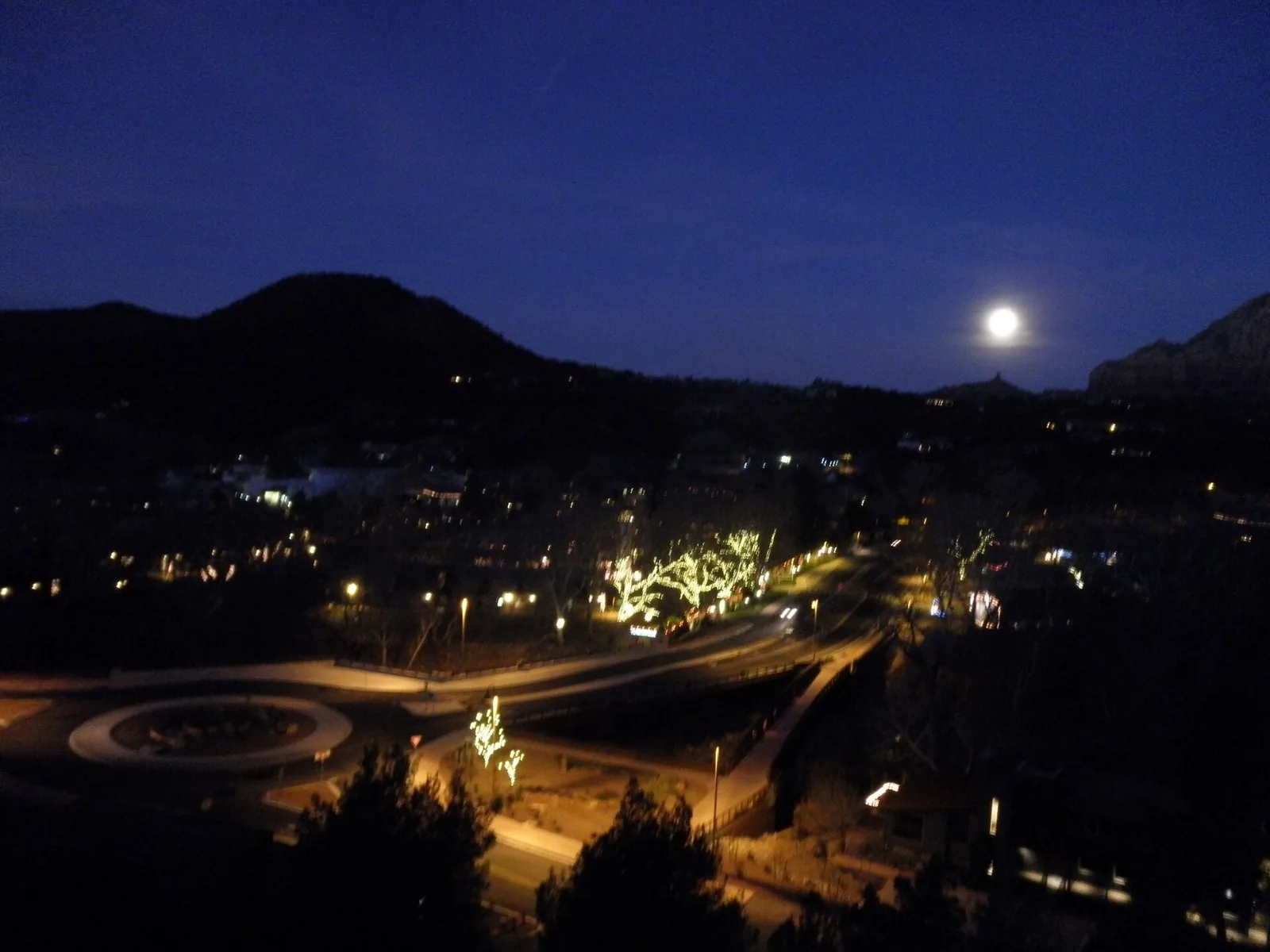
Eight to ten degrees at night is the difference between a patio you retreat from and one you actually want to sit on. It’s the difference between running the air conditioning hard until 2 a.m. and opening the windows. Sedona evenings in summer cool off enough for a firepit, a hot soak that isn’t punishing, and a morning that’s genuinely pleasant on the trail before the heat builds. The cool summer nights rundown goes deeper on why the overnight number, not the midday one, is the real payoff.
Two things drive that cooler night. First, elevation: Sedona sits around 4,350 feet, Tucson’s official station about 2,643 — roughly 1,700 feet of difference, and thin, dry air sheds its heat fast once the sun is down. Second, the desert around Sedona doesn’t hold and radiate warmth the way a paved metro basin does. Tucson is a real city; a lot of the overnight difference is elevation plus a lot less asphalt.
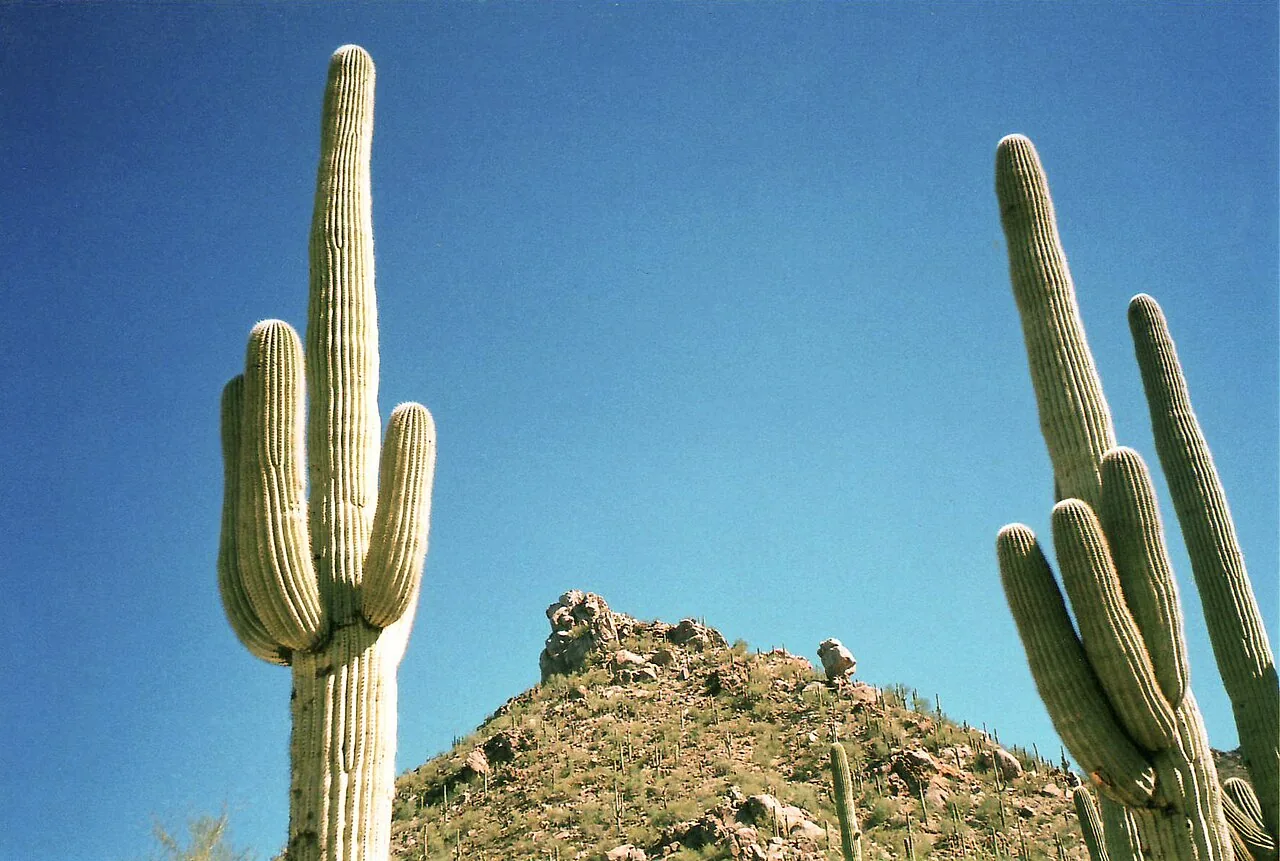
Elevation helps — but only so much
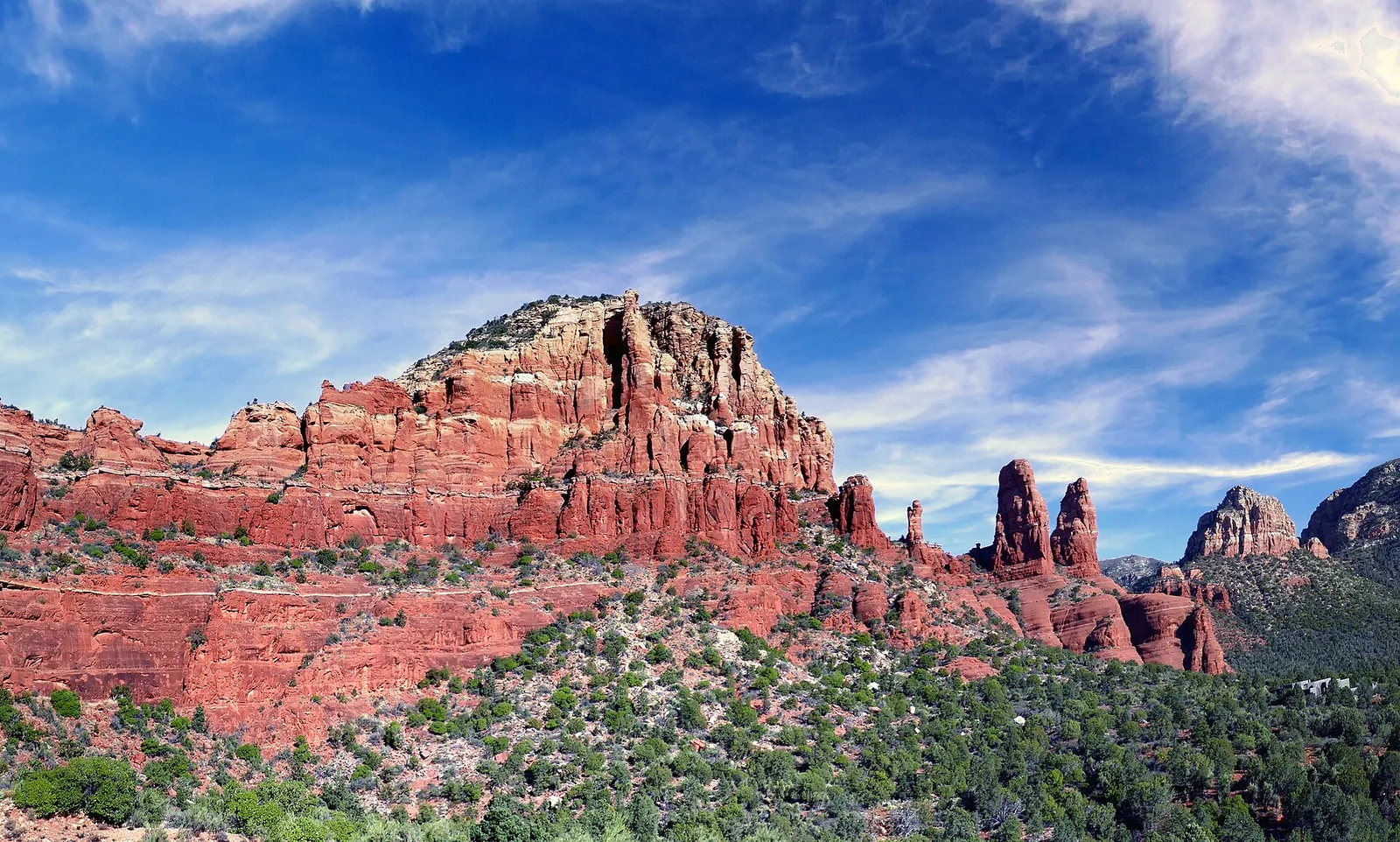
It’s tempting to read “1,700 feet higher” and expect a mountain-town climate. Sedona isn’t that. The standard lapse rate gets you a few degrees per thousand feet, which is exactly what you see in the daytime numbers — a modest, honest gap, not a dramatic one. Sedona is still very much the desert. The red rocks bake at midday just like the saguaro flats do.
That’s the trap in a lot of “escape the heat” marketing: it treats any elevation gain as a magic cool-down. For Tucson residents specifically, the math just doesn’t stretch that far by day. If you’re weighing Sedona against Phoenix instead, the picture shifts — the daytime gap there is closer to ten degrees, and the Sedona-versus-Phoenix data page walks through it month by month. But from Tucson, the daytime break is a few degrees, and it’s more honest to plan around that than to pretend otherwise.
Which is why the thing that makes this trip work isn’t the outdoor temperature at all.
The part that beats the heat outright: an indoor court
Here’s the clincher, and it sidesteps the whole “how many degrees cooler” argument. The home has a private indoor pickleball court — regulation size, heated, air-conditioned, and lit. When it’s 97°F in Sedona and 100°F in Tucson at 1 p.m., it doesn’t matter which city is technically cooler, because outdoor play in both is miserable at that hour. Inside, a group of up to eight plays in comfort while every public court in the region sits empty.
That’s a different value than “it’s a little cooler up here.” It’s the ability to keep playing through the exact hours that shut everyone else down — the midday peak and the summer monsoon. From roughly mid-June into September, Sedona gets afternoon thunderstorms that arrive fast, and they’ll clear an outdoor court and a trailhead on short notice. The indoor court plays straight through. If you want a sense of how the region’s indoor options stack up more broadly, the Arizona indoor pickleball guide covers the landscape.
There’s a quieter perk, too: an enclosed court means no neighbor noise complaints and no HOA hassle over the pop of the paddle. That’s a real problem at a lot of rentals, and it’s the reason the quiet-pickleball angle exists. You play as early or as late as you want, at full volume, and nobody’s counting.
Paddles and balls are provided. Bring court shoes.
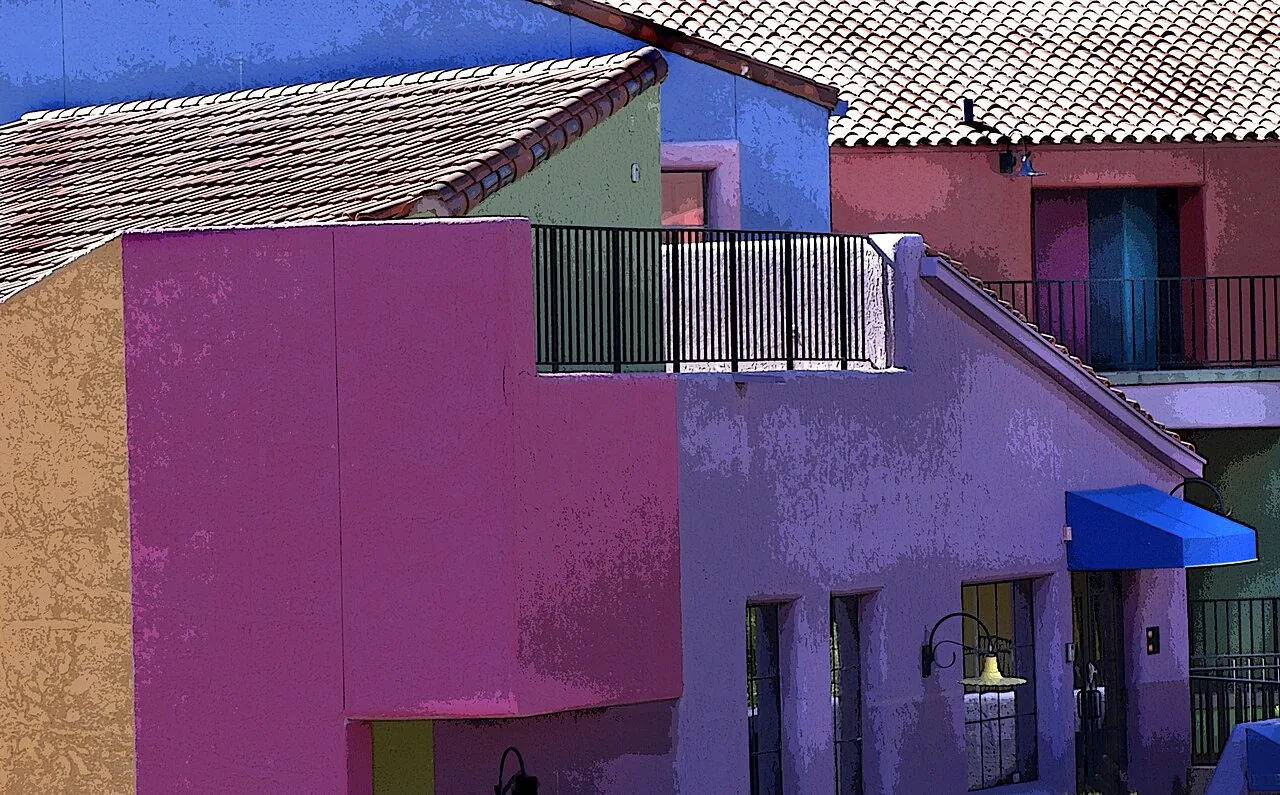
Making the ~3.5-hour drive worth it
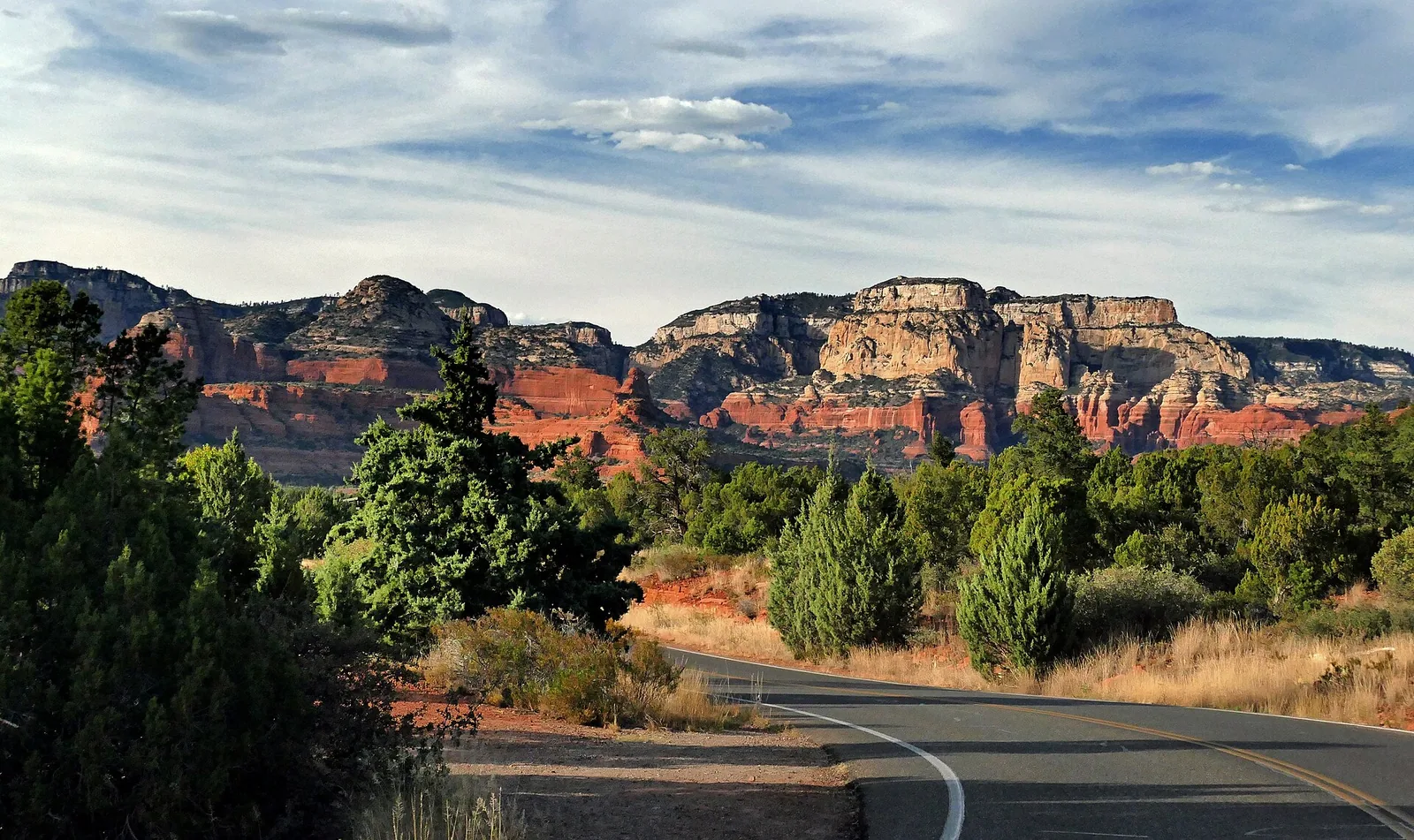
Be realistic about the distance. Tucson to Sedona is about 232 miles and roughly 3.5 hours — up I-10 through the Phoenix area, then north on I-17 and into the red rocks. That’s longer than the Phoenix run, which is closer to two hours, so this is a weekend, not a day trip. Two or three nights is the sweet spot; anything shorter and you spend too much of the trip in the car. The Tucson getaway page has the route detail and stops so I won’t repeat them here.
The distance is exactly why the whole-home setup matters. You’re not driving three and a half hours to reserve a public court by the hour and share it with strangers. You’re bringing your group, unpacking once, and having the court, the kitchen, the soaking tubs, and the firepit to yourselves the entire stay. The home sleeps eight across four bedrooms — two kings, a queen, and a game room with bunks — so a couple of families or a friend group fits without anyone drawing the short straw on the couch.
A cooler-air weekend, roughly
You don’t need a rigid plan, but the rhythm that works in summer looks like this. Play or hike early, while the air is still in the 70s. Sedona’s trailheads are minutes from the house — Cathedral Rock, Bell Rock, the easy creekside walks — and morning is the honest window for all of them.
Come midday, when both Tucson and Sedona are in the 90s, that’s court time on the indoor court, or a drive up to Slide Rock State Park to cool off in Oak Creek, which is where a lot of Tucson and Phoenix families already head to beat the triple digits. (Watch the monsoon on creek days — a storm miles upstream can raise the water fast, so keep an eye on the sky.)
Late afternoon, if a thunderstorm rolls through, you’re not stuck: back to the covered deck to watch it, or back on the court. Then the evening does what Sedona evenings do — it cools off. That’s dinner outside, a firepit, a hot soak in the deck tubs, and the kind of night that Tucson in July just doesn’t hand you. Next morning, repeat. If you want a fuller day-by-day, the Sedona pickleball weekend itinerary maps one out.
When to time the trip from Tucson
Since the daytime gap is small, the month you pick matters more than usual. Early summer — June into the first days of July — is Sedona’s hot, dry stretch before the monsoon arrives. Days are the warmest of the year (July’s 97°F average is the peak), skies are clear, and creek water is cold and welcome. It’s reliable weather, and outdoor mornings are dependable.
From about mid-July through September, the monsoon changes the character of the trip. Afternoon clouds and storms actually trim the peak highs a little — August averages 94°F, a few degrees below July — and they green up the landscape, but they also cut into afternoon plans without much warning. If you’re the kind of group that wants to lock in court time and shrug off a 4 p.m. downpour, monsoon season suits you, because the indoor court makes the storms a non-event. It also tends to be the better-value window, with thinner crowds than spring or fall.
Either way, the overnight cool holds all summer. That’s the constant you can count on from Tucson.
The bottom line for Tucson players
Don’t come north expecting a ten-degree drop by day — from Tucson, that’s not the deal, and anyone who tells you it is hasn’t read the normals. The daytime gap is a few degrees. What you actually get is markedly cooler nights, red-rock country a short drive from the door, and a private indoor court that turns the hottest, stormiest hours of the day into the ones you play through instead of wait out. For a group willing to make the 3.5-hour drive and stay a couple of nights, that adds up to a real summer break.
When the dates line up, check availability for the home on Airbnb and lock in a cooler-air weekend.
Frequently asked questions
Is Sedona cooler than Tucson in summer?
How much cooler are Sedona's nights than Tucson's?
How far is Sedona from Tucson?
Can you play pickleball outside in Sedona in July?
Does Sedona get monsoon storms too?
Is the drive worth it for a weekend?
Trade the heat for a cool indoor court
Sedona Pickler is a private West Sedona vacation home with its own indoor, air-conditioned pickleball court — comfortable play at noon in July or after dark in January, while outdoor courts across the valley sit empty. See the whole heat-escape guide.
Check dates & book