Ask most people why Sedona works as a summer escape from the Phoenix heat and you’ll hear a number that’s a little too good to be true. The honest version is more useful. By day, Sedona runs about ten degrees cooler than Phoenix — real relief, but Sedona still sits in the mid-90s at midday in July. It is not a mountain hideout at treeline. The place where the difference stops being modest and starts being obvious is after the sun goes down. A July night in Sedona averages about 68°F. A July night in Phoenix averages about 85°F. That seventeen-degree gap, repeated every night of your stay, is the real reason to point the car north.
This page makes the case that Sedona’s biggest summer advantage is overnight, not at noon — and lays out what a cool evening and a cool morning actually get you when the middle of the day is still hot.
The daytime gap is real, but keep it honest
Start with the daytime numbers, because they’re the ones people tend to inflate. Using the NOAA 1991–2020 climate normals, here’s how the two summers compare by day:
| Month | Sedona high | Phoenix high | Difference |
|---|---|---|---|
| June | 94°F | 104°F | ~10°F |
| July | 97°F | 107°F | ~10°F |
| August | 94°F | 105°F | ~11°F |
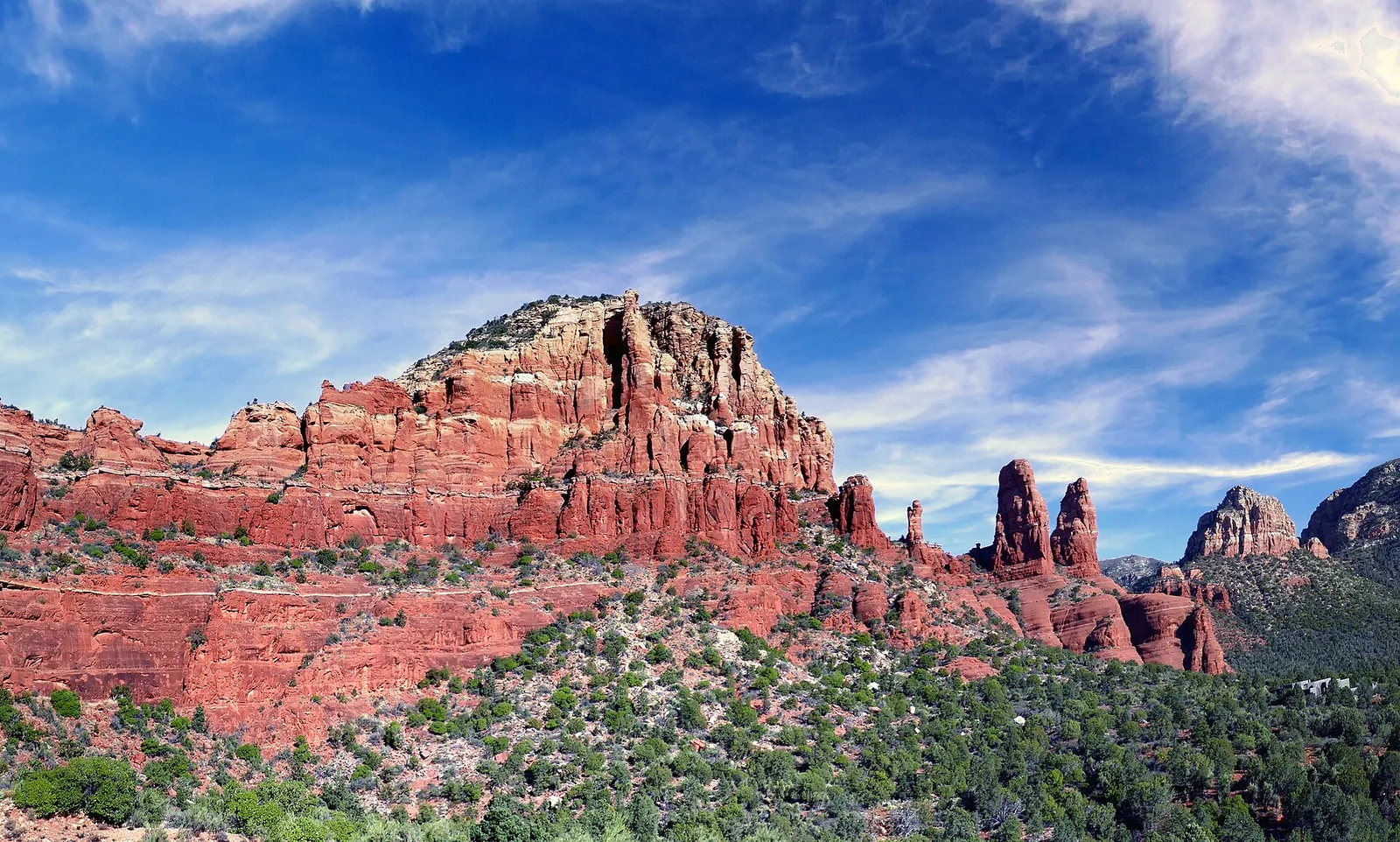
Ten degrees is a genuine break, and on a 107°F afternoon in the Valley you’d take it. But look at the Sedona column and be clear-eyed: 94 to 97°F is still hot. Sedona sits at 4,350 feet, which is high desert, not high country. Flagstaff, an hour north at about 7,000 feet, is the alpine escape where July highs land in the low 80s. Sedona is not that. Anyone who tells you Sedona is fifteen or twenty degrees cooler than Phoenix by day is quoting the night number and pinning it on the afternoon.
If you want the full month-by-month daytime breakdown, the is Sedona cooler than Phoenix page lays out every high and low side by side. This page is about the other half of the day — the part the daytime chart undersells.
The number that actually matters: overnight lows
Here is where Sedona pulls away. Same NOAA normals, but now the nighttime lows:
| Month | Sedona low | Phoenix low | Difference |
|---|---|---|---|
| May | 53°F | 70°F | ~17°F |
| June | 61°F | 79°F | ~18°F |
| July | 68°F | 85°F | ~17°F |
| August | 67°F | 84°F | ~17°F |
| September | 61°F | 78°F | ~17°F |
A summer night in Sedona runs roughly sixteen to eighteen degrees cooler than the same night in Phoenix, and it does it every single night. That’s not a statistical curiosity — it’s the difference between sitting outside comfortably and not sitting outside at all. Sixty-eight degrees is patio weather. Eighty-five degrees at midnight, which is a normal Phoenix reading in July, is the kind of heat that never lets the pavement or the house cool down, so the air conditioner runs all night and the outdoors is off the table until the sun comes up and starts the whole cycle again.
The gap is widest in the shoulder weeks. In May and June, before the humidity arrives, Sedona lows in the 50s and low 60s can mean reaching for a light layer at the firepit while Phoenix bakes through another 79-degree night.
Why the high desert cools off and the low desert doesn’t
The reason comes down to two things: elevation and dry air.
Sedona sits about 3,200 feet higher than central Phoenix — roughly 4,350 feet against 1,100. Air thins and cools as you climb, so the starting point is lower. But the bigger driver is humidity, or the lack of it. In dry desert air, there’s little moisture in the sky to trap the day’s heat, so once the sun sets, the ground radiates that heat straight up and out. The temperature falls fast and keeps falling until dawn. Meteorologists call the spread between the daytime high and the overnight low the diurnal range, and in Sedona’s dry high desert that swing is big — a 97-degree afternoon can shed nearly thirty degrees by sunrise.
Phoenix works against itself here. The Valley is lower, it’s ringed by irrigated agriculture and thousands of pools that add moisture to the air, and it’s paved over with an urban heat island — miles of asphalt, concrete, and rooftops that soak up heat all day and release it slowly all night. The result is that Phoenix nights have been getting warmer for decades, and during a heat wave the overnight low can hold near 90°F. The heat never really leaves. In Sedona, it leaves every night.
What a cool evening actually buys you
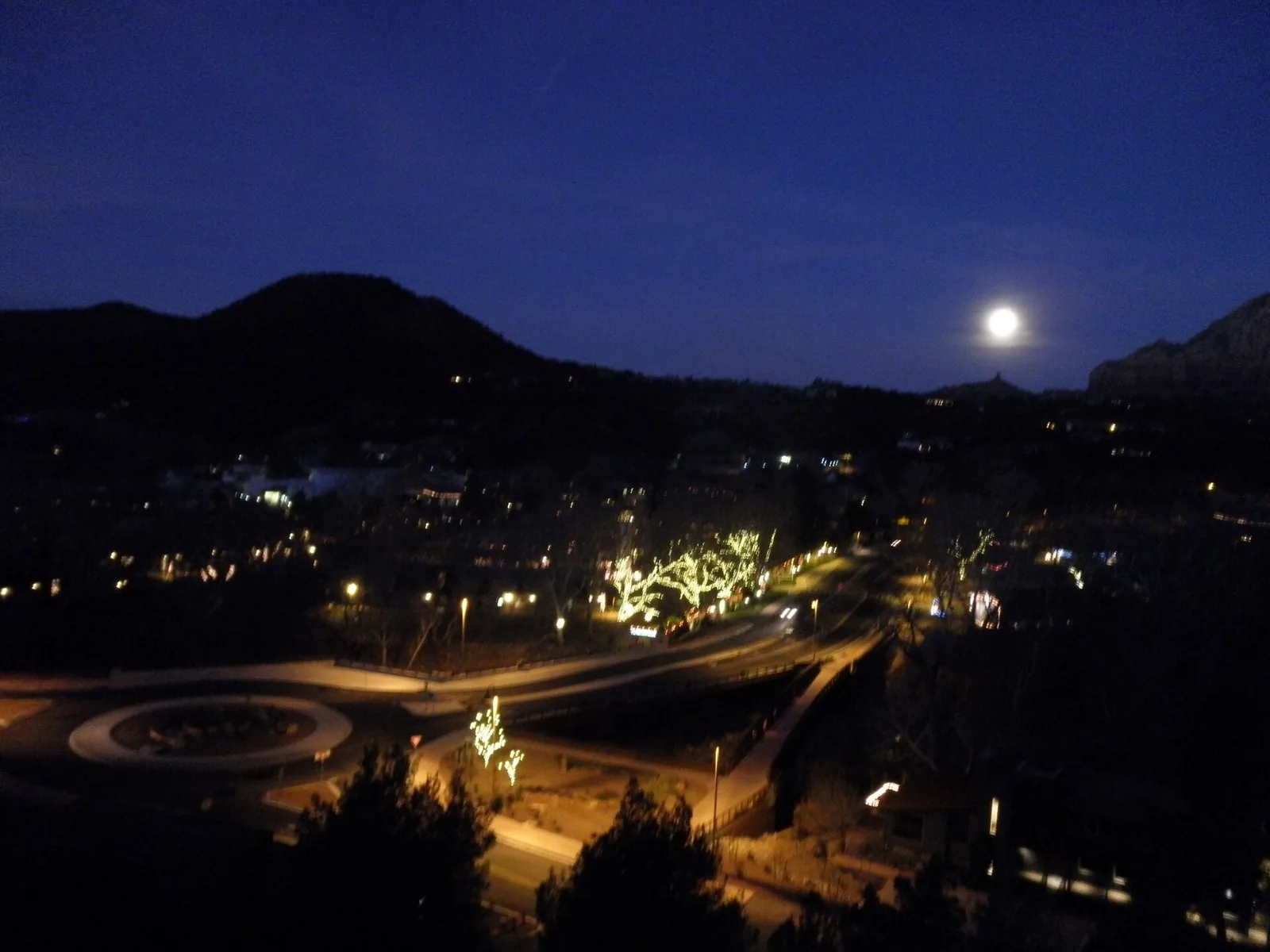
The practical payoff of a 68-degree night is that the best part of a summer day happens outdoors, after dark, when a Phoenix trip would have you indoors hiding from the heat.
At the house, that means the covered deck and the firepit are usable on a July evening instead of decorative. It means the two outdoor soaking tubs are a pleasure at 9 PM rather than a punishment. It means dinner can happen outside, and that a group of eight can sit around after with the doors open and the cool air coming in.
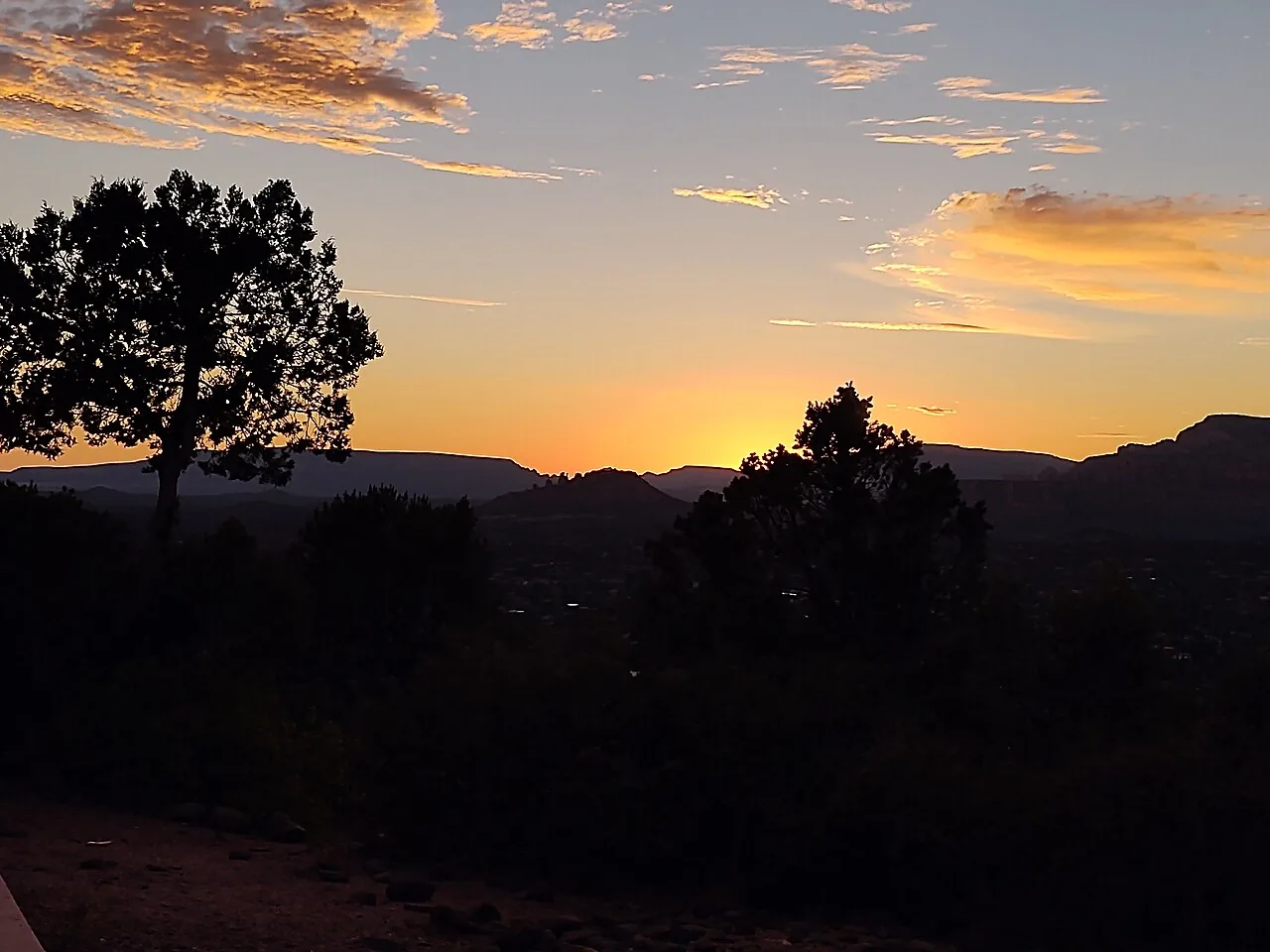
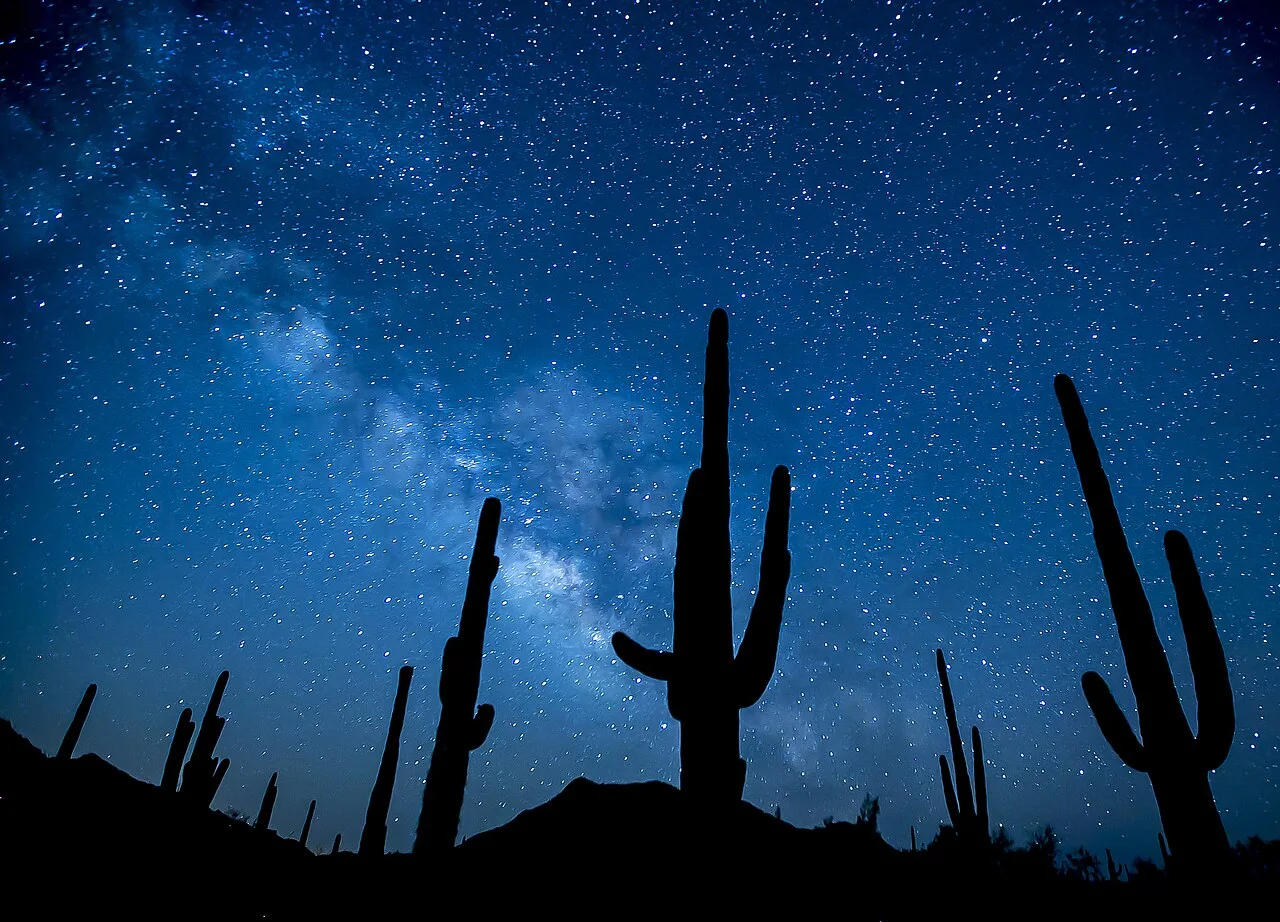
It also means real stargazing. Sedona has been a certified International Dark Sky Community since 2014 — the eighth in the world to earn the designation — which means the city writes its lighting ordinances specifically to keep the night sky dark. On a clear, moonless summer night you can see the Milky Way with your naked eye. That’s a thing you plan an evening around, and the cool air is what makes standing outside to do it comfortable. If you’d rather catch the front end of the show, the best sunset spots around town hand off to the stars about an hour later.
And then there’s the game itself. Because the pickleball court at the house is fully indoors and lit, an evening match isn’t weather-dependent and isn’t hour-dependent. A 9 PM session is normal. There are no neighbors to disturb and no noise rules to work around, since the sound stays inside the building — the whole subject is covered at quiet pickleball. Cool night, lit court, no complaints. Outdoor courts, indoors or out, tend to lose exactly those late hours.
Mornings are the other half of the deal
The same physics that cools the nights hands you a cool morning. The overnight low usually bottoms out right around sunrise, so a summer dawn in Sedona starts in the 60s — call it the mid-to-upper 60s in July, versus a Phoenix sunrise already in the mid-80s and climbing.
That’s your hiking window, and it’s a good one. Get on the trail by 6:30 or 7 and you’re moving through the red rocks in genuinely pleasant air before the day heats up. Cathedral Rock is the short, steep classic — about 1.2 miles round trip — and the kind of thing you can knock out and be back at the house before it’s hot. The Airport Mesa Loop is an easier, flatter option with long views that works well as an early walk. The trailheads are a short drive from West Sedona; none of them are outside the front door, but all of them are close.
The rhythm that falls out of this is simple and it’s the whole point of a summer stay: hike or walk in the cool morning, come back before the heat, and take the middle of the day inside. Which brings us to the one honest catch.
The catch: midday still bakes — and the fix
Cool nights and cool mornings are the real story, but they don’t change the fact that from late morning to late afternoon, Sedona is still a mid-90s desert town in July and August. Eleven to four is hot. An outdoor court anywhere in the region — Sedona included — sits empty and shimmering during those hours, and if your plan for a summer pickleball trip is to play outside at 1 PM, the extra 4,000 feet of elevation isn’t going to save you.
This is the exact gap the house is built to close. The court is indoors, air-conditioned, heated, and lit, so the afternoon heat simply doesn’t get a vote. The hours that are a write-off on any outdoor court — the same hours you’d spend hiding from the sun on a Phoenix trip — become prime, comfortable court time. That’s the honest shape of a Sedona summer stay: cool mornings on the trail, hot midday spent playing in the A/C, and cool evenings on the deck. Nights and mornings are free; the middle of the day is where an indoor court earns its keep. The broader case for Sedona as a cool-air escape, temperature chart and all, lives on the beat the heat hub, and if you’re driving up from the Valley specifically to get out of the worst of it, the Phoenix heat escape page is written for exactly that trip.
A note on the monsoon
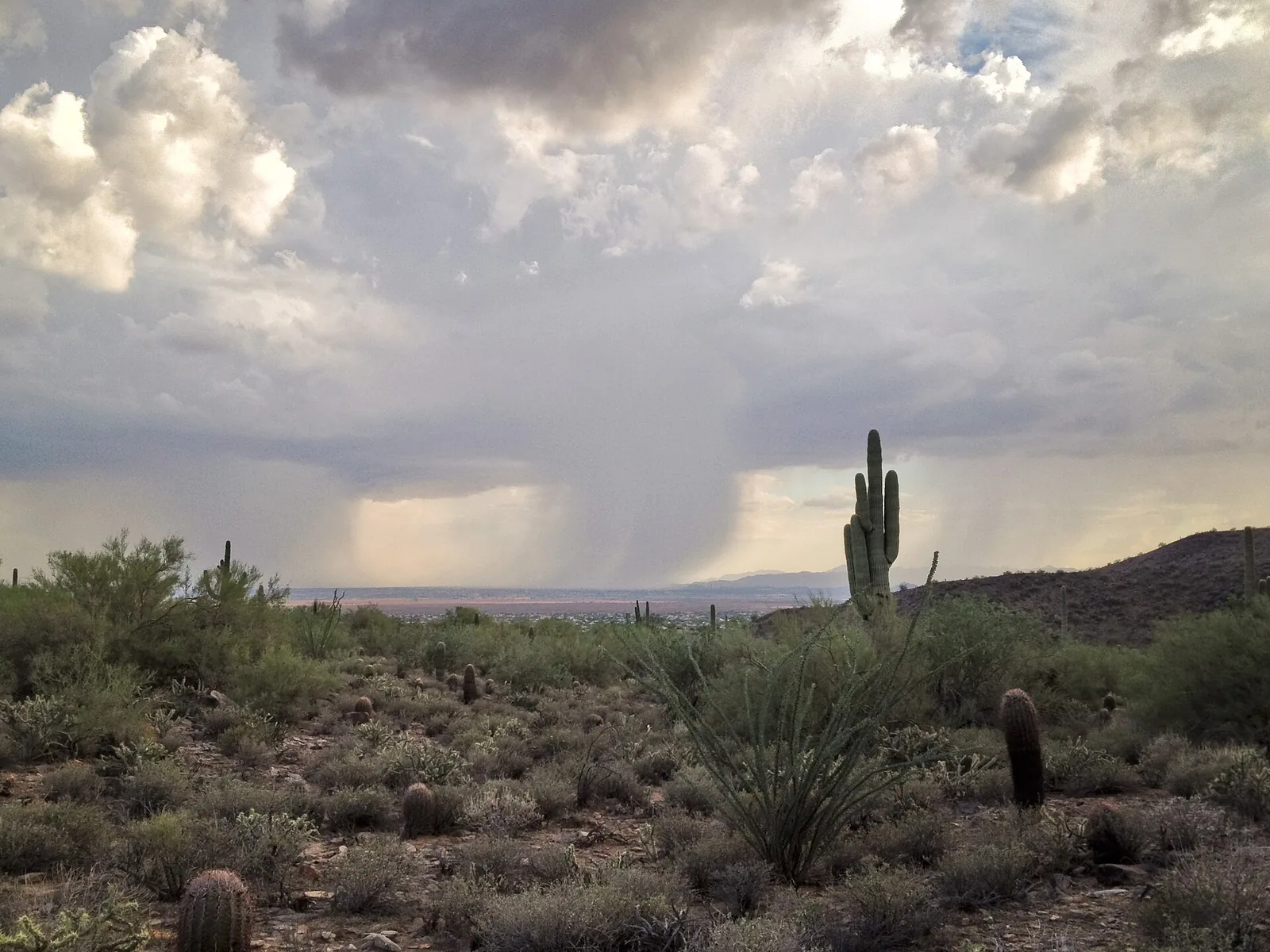
One caveat on the night numbers. Arizona’s monsoon officially runs June 15 through September 30, with the most active stretch from mid-July into mid-August. When storms are running, the humidity climbs, and humid nights don’t cool off as efficiently as dry ones — so a July or August night during a wet spell might sit in the low 70s instead of the upper 60s. It’s a few degrees, not a reversal; even a humid Sedona night is well cooler than Phoenix, and the storms themselves are worth watching from the covered deck. June is the driest of the summer months and the most reliable for cool, clear nights, which is one reason early summer is a sweet spot before the monsoon fully sets in.
Planning a cool-night summer stay
If the cool evenings and mornings are what sell you, a couple of practical notes. Summer is Sedona’s quieter, better-value season precisely because people assume the whole state is Phoenix in July — which, as the night numbers show, it isn’t. Rates in town soften and the trails thin out. For a broader look at how the months stack up, the guide’s best time to visit page is the place to start, and Valley groups can sort out the two-hour drive on the Phoenix getaway page.
What you’re booking is a four-bedroom home in West Sedona that sleeps 8 — two kings, a queen, and a game room with twin-over-twin bunks, across 2 baths — minutes from the trailheads, restaurants, and Uptown. Outside there’s the covered deck, the firepit, and the two outdoor soaking tubs that a cool desert night makes worth using. Inside there’s the private indoor pickleball court, with paddles and balls provided; bring court shoes. Guests need to be 25 or older to book, and there are no pets, parties, or smoking.
Pack for the swing. A summer day here can run from a 66-degree sunrise to a 96-degree afternoon back down to a 68-degree night, so bring a light layer for the evenings even in July — first-timers from hotter, flatter places are always a little surprised they want a hoodie at the firepit.
The short version: the daytime break over Phoenix is real but modest, the nighttime break is the one that changes how you spend the trip, and the indoor court covers the few hours in between that stay hot. Check the dates for a cool-night summer stay on Airbnb.
Frequently asked questions
How much cooler is Sedona than Phoenix at night?
So is Sedona actually cool in the summer?
What is there to do on a cool Sedona evening?
Are the nights cool enough to sleep with the windows open?
If mornings and nights are cool, why does the indoor court matter?
Trade the heat for a cool indoor court
Sedona Pickler is a private West Sedona vacation home with its own indoor, air-conditioned pickleball court — comfortable play at noon in July or after dark in January, while outdoor courts across the valley sit empty. See the whole heat-escape guide.
Check dates & book