Sedona's Art Galleries: A Walking Guide
Most people show up in Sedona for the red rocks and the hikes, then stumble into the fact that this small town has one of the densest fine-art scenes in the American Southwest. Galleries here run from 20,000-square-foot showrooms full of bronze and blown glass down to one-room shops where the painter is sitting behind the desk. You can spend a whole afternoon walking from gallery to gallery without ever touching a trailhead, and on the first Friday of the month the whole thing turns into a free, wine-in-hand street party.
This guide walks you through the main clusters, the galleries worth your time, how the monthly art walk works, and the practical stuff nobody tells you — parking, shipping a big piece home, and how to look without feeling pressured to buy. It’s an easy, low-stress way to spend a few hours, especially on a hot afternoon or a day when your legs are done with the trails.
Why Sedona has so much art
Sedona has drawn artists since the mid-20th century, and the town leaned into it. The Sedona Arts Center, the anchor of the whole scene, was founded back in 1958 and is one of Northern Arizona’s oldest nonprofit arts organizations. Decades of working artists settling here — drawn by the light, the landscape, and the cheap rent that has long since vanished — built up a critical mass of galleries that the town now markets hard.
What you get as a visitor is variety. This isn’t only cowboy-and-canyon art, though there’s plenty of that. You’ll find:
- Western and wildlife — bronze sculpture, oil paintings of horses and elk, the classic Southwest stuff done at a high level
- Native American and Southwestern — Navajo rugs, Hopi kachinas, Pueblo pottery, silver-and-turquoise jewelry
- Contemporary and abstract — bold modern painting, mixed media, steel and stone sculpture
- Glass, ceramics, and craft — blown glass, functional pottery, woodwork, large-format photography
- Photography — unsurprisingly, a lot of red-rock landscape work, some of it genuinely excellent
You don’t have to be a collector to enjoy it. A lot of people treat the galleries the way they’d treat a free museum: wander in, look at things, learn something, leave. That’s completely normal here, and nobody will hassle you for it.
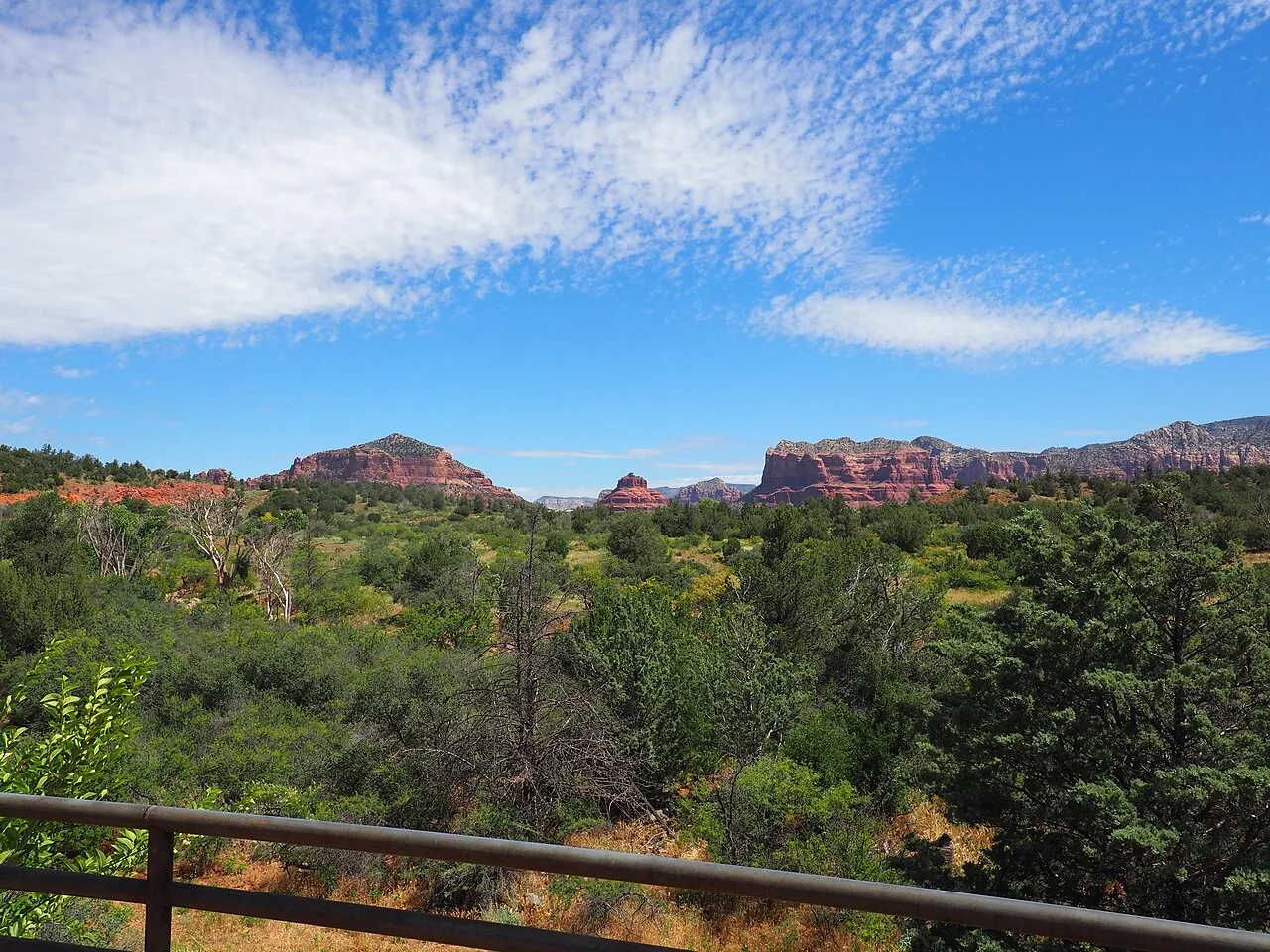
The five main clusters
Sedona’s galleries aren’t scattered randomly. They bunch up in a handful of clusters, and almost all of them sit along State Route 179 (locally called “the 179” or “Gallery Row”) or up in Uptown off SR 89A. If you understand the clusters, you can plan a walk instead of driving in circles.
| Cluster | Where | Vibe | Good for |
|---|---|---|---|
| Tlaquepaque | 336 SR 179, just south of the “Y” | Historic Spanish-colonial village, shaded, walkable | First-timers, browsing, lunch |
| Hillside Sedona | 671 SR 179 | Hillside terraces, mix of galleries + dining | Combining art with a meal and a view |
| Hozho Center | 431 SR 179 | Quiet Santa Fe-style courtyard, fewer crowds | A calmer, less touristy stop |
| Gallery Row (179) | Strung along SR 179 | The big standalone galleries | Serious looking and buying |
| Uptown | SR 89A north of the Y | Busiest, most touristy strip | Quick stops between shops and restaurants |
The “Y” is the local name for the roundabout where SR 179 meets SR 89A, and it’s the hinge of the whole town. Tlaquepaque, Hillside, Hozho, and the standalone Gallery Row galleries are all a short distance south of it on 179. Uptown is north of it on 89A. You can realistically walk the 179 clusters in an afternoon; Uptown is better paired with the rest of the Uptown shopping and dining strip.
Tlaquepaque Arts & Shopping Village
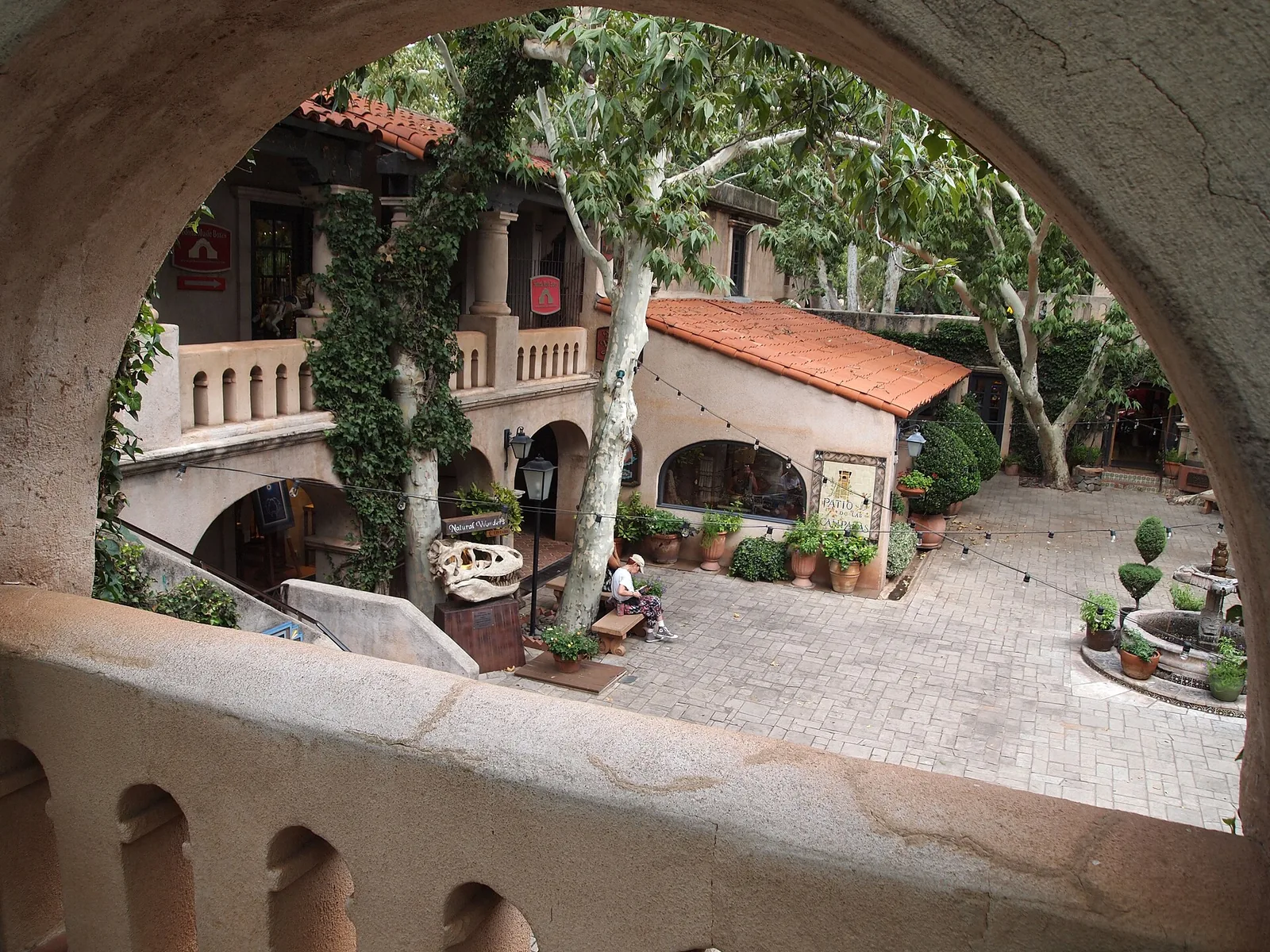
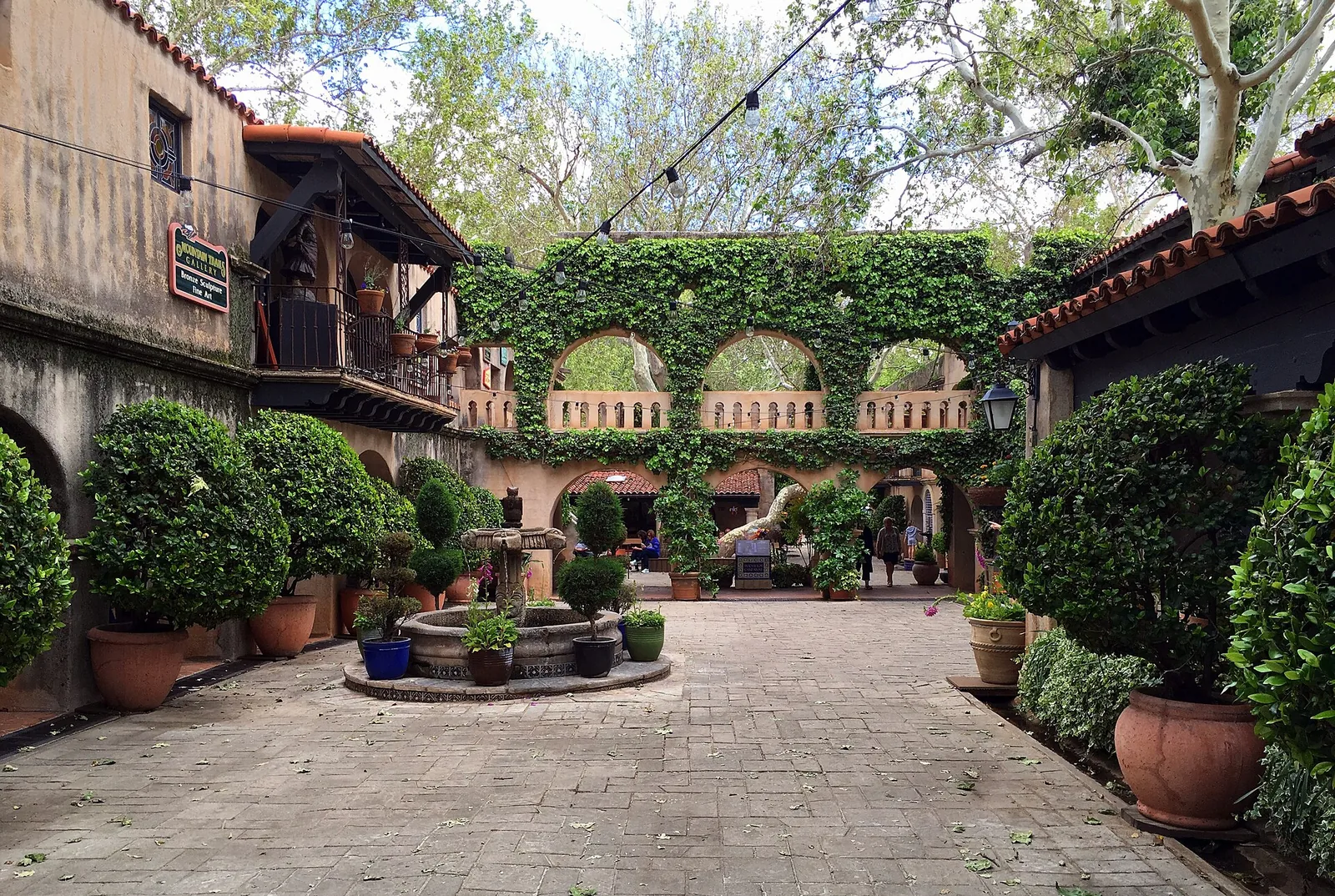
If you only do one, do Tlaquepaque (you’ll hear it said “tla-keh-PAH-keh”). It’s been a Sedona landmark since the 1970s, built to feel like a traditional Mexican village — vine-covered stucco, cobblestone walkways, arched entries, and huge old sycamore trees along Oak Creek. There are 40-plus shops, galleries, and restaurants packed into the village, and it’s genuinely pleasant to walk even if you never set foot in a gallery.
Galleries here worth a look include:
- Mountain Trails Gallery — Western, wildlife, and figurative work, heavy on collectible bronze. It’s been in the village for decades and showcases the Payne family of sculptors along with artists like Susan Kliewer, who is often working on clay models right in the gallery.
- Kuivato Glass Art Gallery — blown and fused glass plus jewelry from dozens of artists.
- Andrea Smith Gallery — spiritually themed work curated by the artist.
Tlaquepaque is also where a lot of people eat. There’s everything from Mexican to a wine bar, so it’s easy to combine an hour of galleries with lunch.
Hillside Sedona
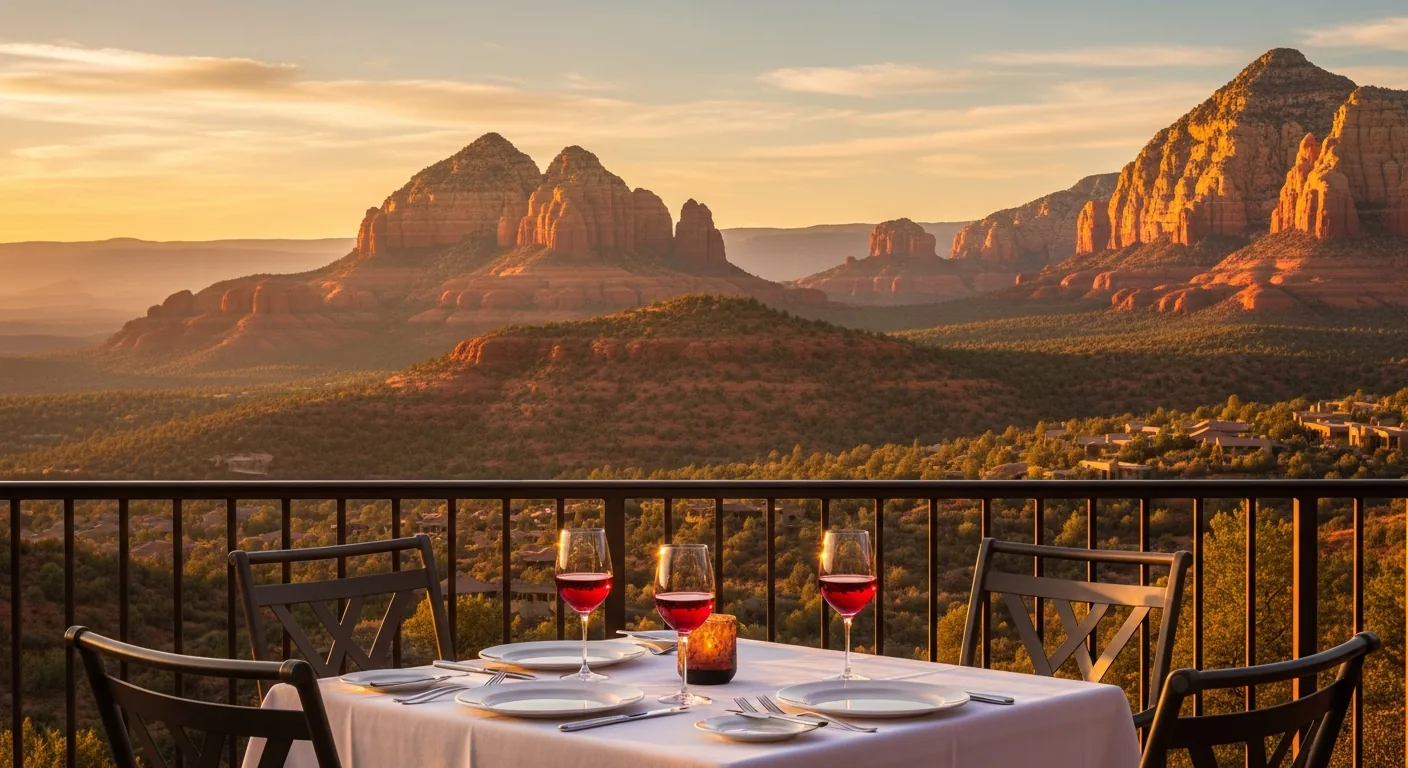
A short way down the 179 at 671 SR 179, Hillside Sedona is built across three terraced levels on, fittingly, a hillside. It leans a bit more retail than pure gallery — jewelry, crystals, organic beauty shops — but it’s home to the well-regarded James Ratliff Gallery, which has been in Sedona since the early 1980s and shows contemporary painting, sculpture, ceramics, and one-of-a-kind jewelry ranging from bold modern work to lighter, whimsical pieces. Hillside also has restaurants with good red-rock views, so like Tlaquepaque it’s an easy art-plus-lunch stop.
Hozho Center
Hozho (431 SR 179) is the quiet one. It’s a two-story Santa Fe-style courtyard with fine-art galleries, a few boutiques, and sculptures set along the walkways. Because it doesn’t get the same foot traffic as Tlaquepaque, it’s a nice place to slow down and actually look at the work without elbows around you. “Hózhó” is a Navajo concept loosely about balance and beauty, which suits the place.
Gallery Row standalone galleries
Beyond the courtyards, the 179 has several large standalone galleries that are destinations in their own right:
- Exposures International Gallery of Fine Art (561 SR 179) is the giant. Opened in 1996 and expanded repeatedly since, it now runs around 20,000 square feet with work from more than 100 artists — paintings, sculpture, glass, and large-scale pieces. It’s frequently called one of the largest fine-art galleries in the country, and walking through it is a bit like walking through a museum where everything happens to be for sale.
- Goldenstein Gallery (near the convergence of SR 179 and 89A) represents 50-plus local and regional artists across painting, sculpture, ceramics, jewelry, and photography, and runs satellite exhibitions around town.
- Garland’s (411 SR 179) is the place for authentic Native American art. Family-run since 1976 and built in traditional trading-post style, it carries one of the largest selections of Navajo rugs in the country, plus Hopi kachina dolls, Pueblo pottery, sandpaintings, and handmade jewelry. The owners buy directly from Navajo and Hopi artists, which matters if authenticity is important to you.
Uptown
Uptown runs north of the Y along SR 89A and is the busiest, most tourist-heavy strip in town — ice cream, T-shirt shops, jeep-tour outfitters, and, tucked among them, several galleries. The big draw up here is the Sedona Arts Center, covered below. Uptown is worth a stroll, but go in knowing it’s the crowded part of the art scene, not the contemplative part.
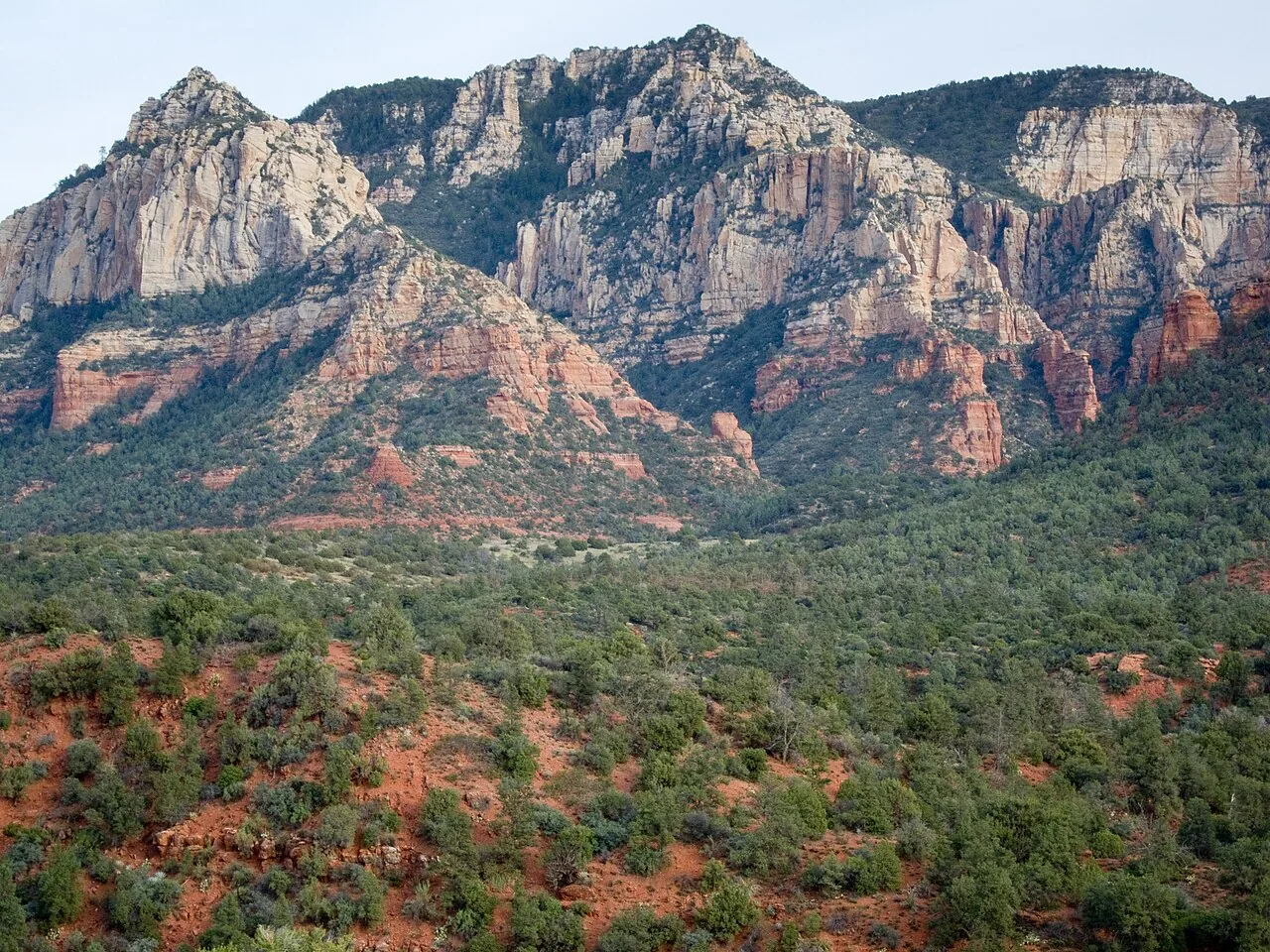
Sedona Arts Center
The Sedona Arts Center sits in Uptown and is the nonprofit heart of the whole scene. Founded in 1958, it’s a 501(c)(3) that runs year-round classes, workshops, and rotating exhibitions, and represents roughly 100 regional artists in its member gallery. The Nassan Gobran School of the Arts offers everything from short weekend workshops to longer classes taught by working artists.
A few reasons it’s worth a stop even if you don’t normally do “art centers”:
- The gallery rotates. Because it’s a member and exhibition gallery rather than a single dealer, what’s on the walls changes, and prices tend to be more approachable than at the high-end commercial galleries.
- You can take a class. If you’re in town for several days and a rainy or scorching afternoon hits, a one-off workshop is a genuinely good rainy-day plan.
- It’s mission-driven. Your purchase or class fee supports a nonprofit and the local arts community, not just a storefront.
Local tip: If you’re traveling with kids or you’re an art-curious beginner, check the Arts Center’s class schedule before your trip. A short hands-on workshop — say, an afternoon of clay or printmaking — is a great change of pace from hiking, and it gives the family a souvenir you actually made. Confirm the current schedule and prices on their site, since offerings change seasonally.
First Friday in the Galleries
The single best time to gallery-hop in Sedona is the First Friday Gallery Tour — also called “First Friday in the Galleries” — held the first Friday of every month, roughly 5:00 to 8:00 p.m. It’s free.
Here’s how it works:
- Participating galleries across Tlaquepaque, Hillside, Hozho, Uptown, and West Sedona open their doors for evening receptions.
- Many offer complimentary wine and light hors d’oeuvres, live music, and the chance to meet artists in person.
- A free trolley loops between the gallery clusters so you can hop from one to the next without moving your car.
It’s a relaxed, social evening, and the artist meet-and-greets are the real draw — there’s something different about buying a piece, or just talking about one, when the person who made it is standing there. You’re under no obligation to buy anything; plenty of people come for the wine, the music, and the walk.
A few practical notes:
- Park once and ride. Use a Sedona municipal lot and let the free trolley do the driving. Parking near the 179 clusters fills up on First Friday evenings.
- Times and participation shift. Not every gallery joins every month, and hours can vary, so check the current month’s lineup before you go. The Sedona Gallery Association and visitsedona.com keep listings.
- Go early if you want to talk. The first hour is calmer; by 7 p.m. the popular galleries get busy.
After a couple of hours of wine and walking, it’s an easy night to call it early and head back — and if you booked the Pickler House, you’ve got an indoor court waiting if anyone still has energy for a rally before bed.
The Sedona Arts Festival
Once a year, usually in October, the Sedona Arts Festival brings the whole thing outdoors. It’s held on the campus of Sedona Red Rock High School at 995 Upper Red Rock Loop Road in West Sedona, and it gathers 100-plus juried artists from around the country for a single weekend.
What to expect:
- A juried, tented show — meaning the artists are screened for quality, so it’s a notch above a typical craft fair
- Painting, sculpture, glass, metalwork, jewelry, and more, much of it sold directly by the makers
- Live music, food, and a beer-and-wine garden, all set against the red rocks
- A nonprofit mission: since 1989 the festival has distributed hundreds of thousands of dollars in arts grants and scholarships
Admission has historically run in the low double digits at the gate (a bit cheaper if you buy online in advance), and kids 12 and under are typically free with a paying adult. Confirm dates, hours, and ticket prices on the festival’s official site before you plan around it — the weekend moves slightly year to year.
If your trip overlaps with it, it’s a great single-stop way to see a huge range of art and meet a lot of artists at once. October is also one of the best times to be in Sedona generally, so the festival pairs well with hiking and the scenic drives.
Buying and shipping art
Plenty of visitors browse and never buy, and that’s fine. But if something grabs you, here’s how it actually works.
Browsing without pressure
Sedona galleries are used to lookers. You can walk in, take your time, and walk out. A few norms:
- It’s polite to ask before photographing artwork; some galleries don’t allow it, partly to protect artists’ images.
- If a price isn’t marked, it’s okay to ask. High-end pieces often aren’t tagged.
- Gallery staff will often tell you about the artist and the technique if you show interest — that’s part of the experience, not a sales trap. You can listen and still say “just looking, thanks.”
Prices and what to expect
Prices run the full range, from small affordable prints, cards, and jewelry up to five-figure original paintings and bronzes. The member-gallery and nonprofit spaces (like the Sedona Arts Center) and the courtyard shops tend to have more entry-level pieces; the big standalone galleries skew higher. If budget matters, prints, ceramics, jewelry, and smaller works are where to look.
Shipping it home
This is the part people forget. If you buy something larger than a carry-on — a framed painting, a bronze, a rug — the gallery will almost always arrange professional packing and shipping to your home. A few things to ask up front:
- Does the price include shipping, or is it extra? It’s usually extra for big or heavy pieces.
- Who insures it in transit? Get this in writing.
- What’s the timeline? Custom crating for sculpture or glass can take time.
- Sales tax. Arizona sales tax applies to in-store purchases; ask how it’s handled, especially if the piece ships out of state.
For rugs, pottery, and other Native American work at a place like Garland’s, ask about provenance and authenticity documentation — reputable dealers provide it, and it matters for both value and peace of mind.
When to go, what to bring, and getting around
Best time of day and season
- Time of day: Galleries generally keep daytime hours (roughly mid-morning to evening, but this varies a lot by shop). Late morning to mid-afternoon is reliable. The exception is First Friday, which is an evening event.
- Season: Spring and fall are the sweet spot — comfortable weather and lively galleries. Summer afternoons get genuinely hot, which is actually a point in the galleries’ favor: air-conditioned browsing is a perfect midday escape from the heat. Winter is quieter, with some galleries on reduced hours.
What to bring
- Comfortable shoes. Tlaquepaque’s cobblestones and Hillside’s terraces involve real walking on uneven surfaces.
- Water. Even indoors, Sedona’s elevation (around 4,300 feet) and dry air dehydrate you.
- A measured wall at home. If you’re seriously shopping, know your wall dimensions and have a rough budget in mind before you fall in love with something.
- Cash or card. Cards are universal; a little cash helps at smaller booths and at the festival.
Parking and permits
Good news: you do not need a Red Rock Pass to visit the galleries. The Red Rock Pass is for parking at Forest Service trailheads and recreation sites, not for shopping centers and galleries. The 179 clusters (Tlaquepaque, Hillside, Hozho) have their own lots, and Uptown has a mix of free all-day lots, free 3-hour lots, and metered street parking (meters run roughly 9 a.m. to 6 p.m.). On busy days and during First Friday, the convenient lots fill fast, so arrive early or use the free trolley.
Accessibility
Accessibility is mixed and worth thinking about:
- Tlaquepaque is historic, with cobblestones, steps, and some level changes — charming but not the easiest surface for wheelchairs or unsteady footing. There are accessible routes, but they take some navigating.
- Hillside Sedona is built on terraces with multiple levels; check for elevator/ramp access if stairs are an issue.
- The large standalone galleries (Exposures, Garland’s) are generally single-level and easier to roll through.
- If accessibility is a real concern, call ahead — gallery staff can tell you the best entrance and route.
How to avoid the crowds
Sedona’s art scene is far less crowded than its trailheads, but a few moves still help:
- Skip Uptown at peak. Uptown is the most congested strip in town midday. The 179 courtyards are calmer.
- Go to Hozho. It’s the quietest cluster and rarely busy.
- Weekday over weekend. Like everything in Sedona, galleries are calmer Monday through Thursday.
- Morning over afternoon. Tour-bus and day-trip traffic builds through the day.
- First Friday early. If you want to actually talk to artists, get there at 5 p.m. before the 7 p.m. crush.
Safety and the heat
Galleries are about as low-risk as Sedona gets, but two things are worth a mention:
- Summer heat. The danger here isn’t the art, it’s the parking lot. Don’t leave kids, pets, or anything heat-sensitive in a parked car — Sedona summer interiors get lethal fast. Plan your driving so you’re not crossing big lots in the worst of the afternoon.
- Driving the 179. State Route 179 is scenic and gets congested, with roundabouts and a lot of distracted, rubbernecking drivers. Take it slow, signal early at the roundabouts, and watch for pedestrians crossing between gallery clusters, especially on First Friday evenings.
What to pair the galleries with
The galleries slot easily into a broader Sedona day. A few natural combinations:
- Galleries + lunch with a view. Both Tlaquepaque and Hillside have good dining on-site. For more options, see our guides to restaurants with views and best restaurants.
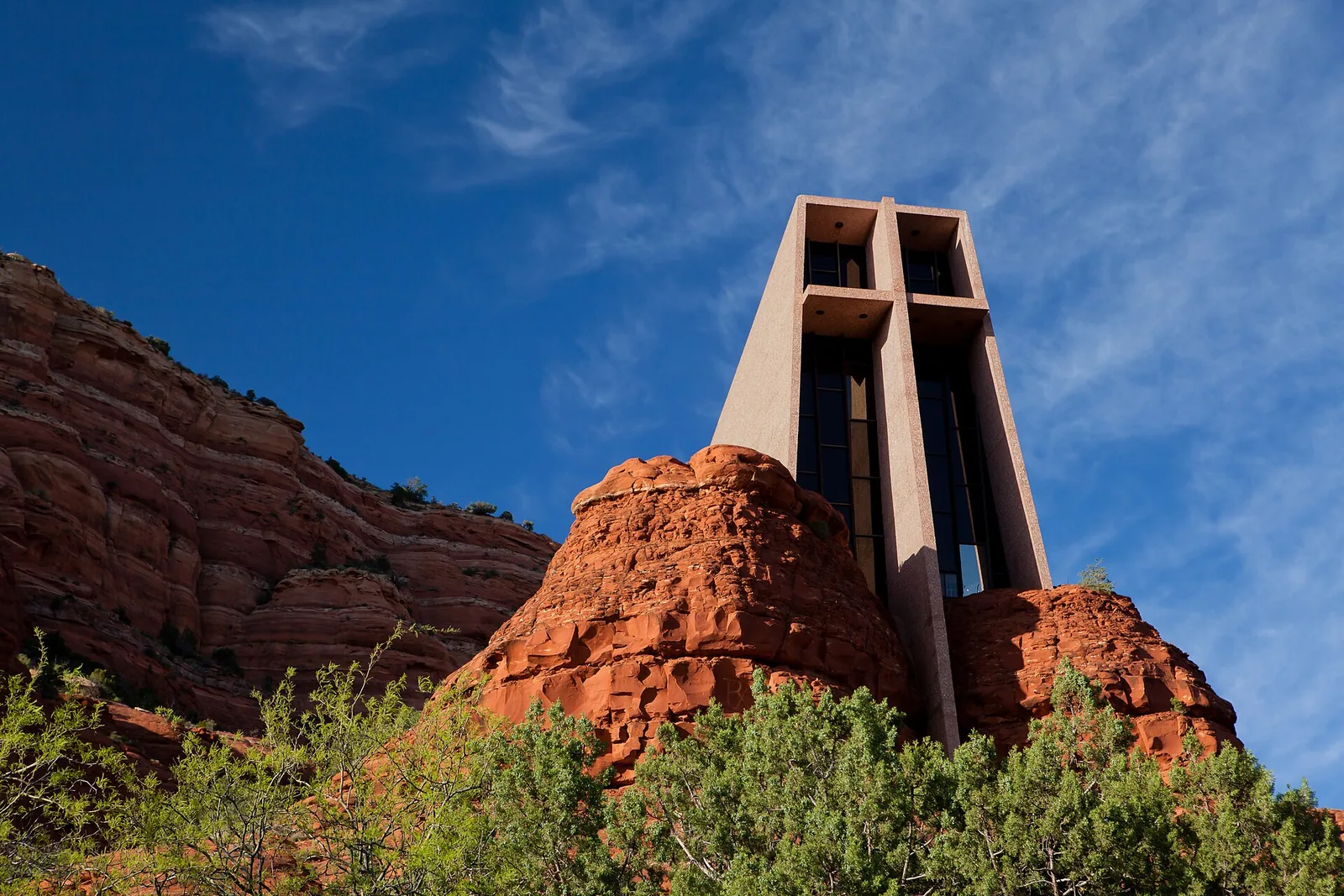
- Galleries + an easy iconic stop. The Chapel of the Holy Cross is just off the 179, minutes from the gallery clusters — see our Chapel of the Holy Cross guide. It’s worth pairing with a Gallery Row afternoon. There’s also a dedicated Tlaquepaque guide if you want to dig deeper into that village.
- Galleries as a heat or rest day. If your legs are wrecked from hard hikes or you just want an air-conditioned afternoon, a gallery walk is the move.
- Galleries + a sunset. Wrap up the day at one of Sedona’s sunset spots after an afternoon of browsing.
You can build a full, satisfying day without a single mile of trail: late breakfast, the 179 galleries, lunch at Tlaquepaque or Hillside, the Chapel, then a sunset viewpoint. Or flip it — hike at dawn, then cool off in the galleries when the sun is brutal. Either way, Sedona’s art scene rewards the same thing the landscape does: slowing down and actually looking. And when you’ve had your fill of looking, head back to stay at Pickler House and trade the quiet of the galleries for a few loud rallies on the indoor court.
Frequently asked questions
Do I need a Red Rock Pass to visit Sedona's galleries?
When is the Sedona First Friday gallery art walk?
Which Sedona gallery cluster is best for first-time visitors?
Can the galleries ship large artwork to my home?
Where can I buy authentic Native American art in Sedona?
When is the Sedona Arts Festival?
Stay where you can rally any season
Sedona Pickler is a private West Sedona vacation home with its own indoor, climate-controlled pickleball court — a short drive from the trailheads, viewpoints and restaurants in this Sedona guide. Play at sunrise or after dark, in any weather.
Check availability on Airbnb