Tlaquepaque Arts & Shopping Village
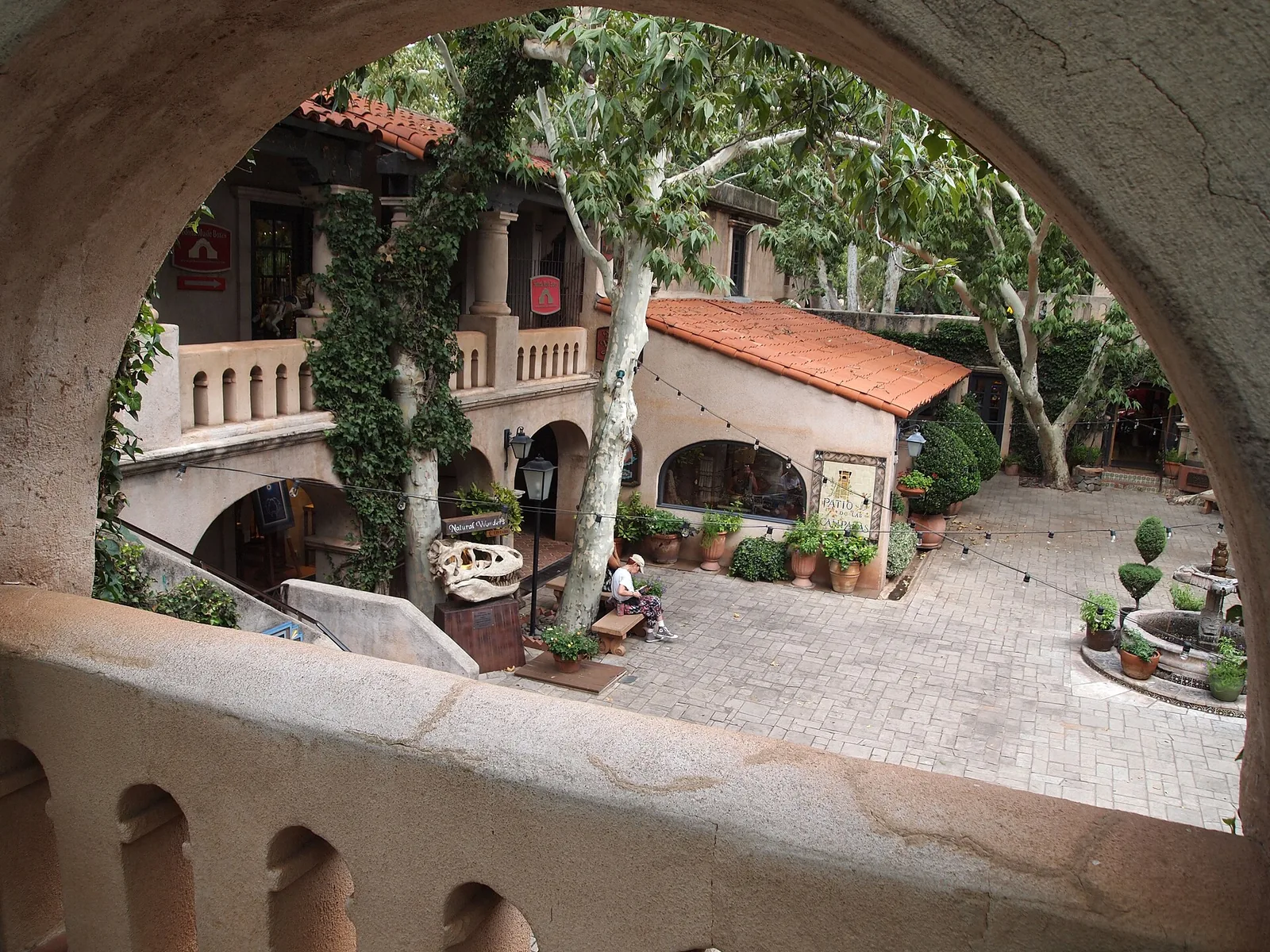
If you only do one “indoor” thing in Sedona, make it Tlaquepaque. It’s a Spanish-colonial-style arts village just south of the Y on State Route 179 — a maze of cobbled courtyards, tiled fountains, and big old sycamore trees, packed with galleries, shops, and a handful of genuinely good restaurants. It costs nothing to walk in and wander, it’s shaded and pretty in the heat, and it’s one of the few places in town where you can happily kill two or three hours without a trailhead, a permit, or a sweat.
What it is, and why it’s worth your time
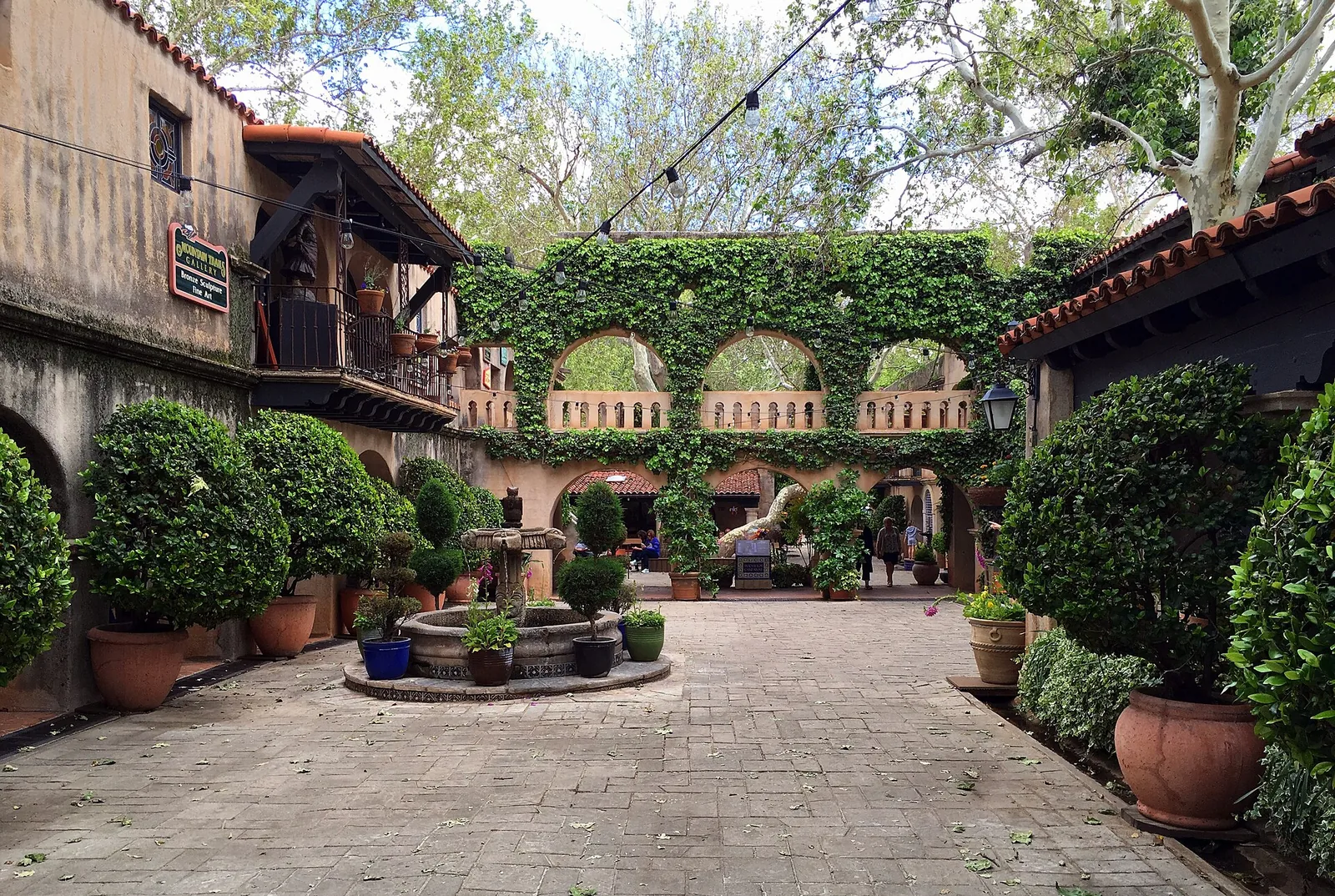
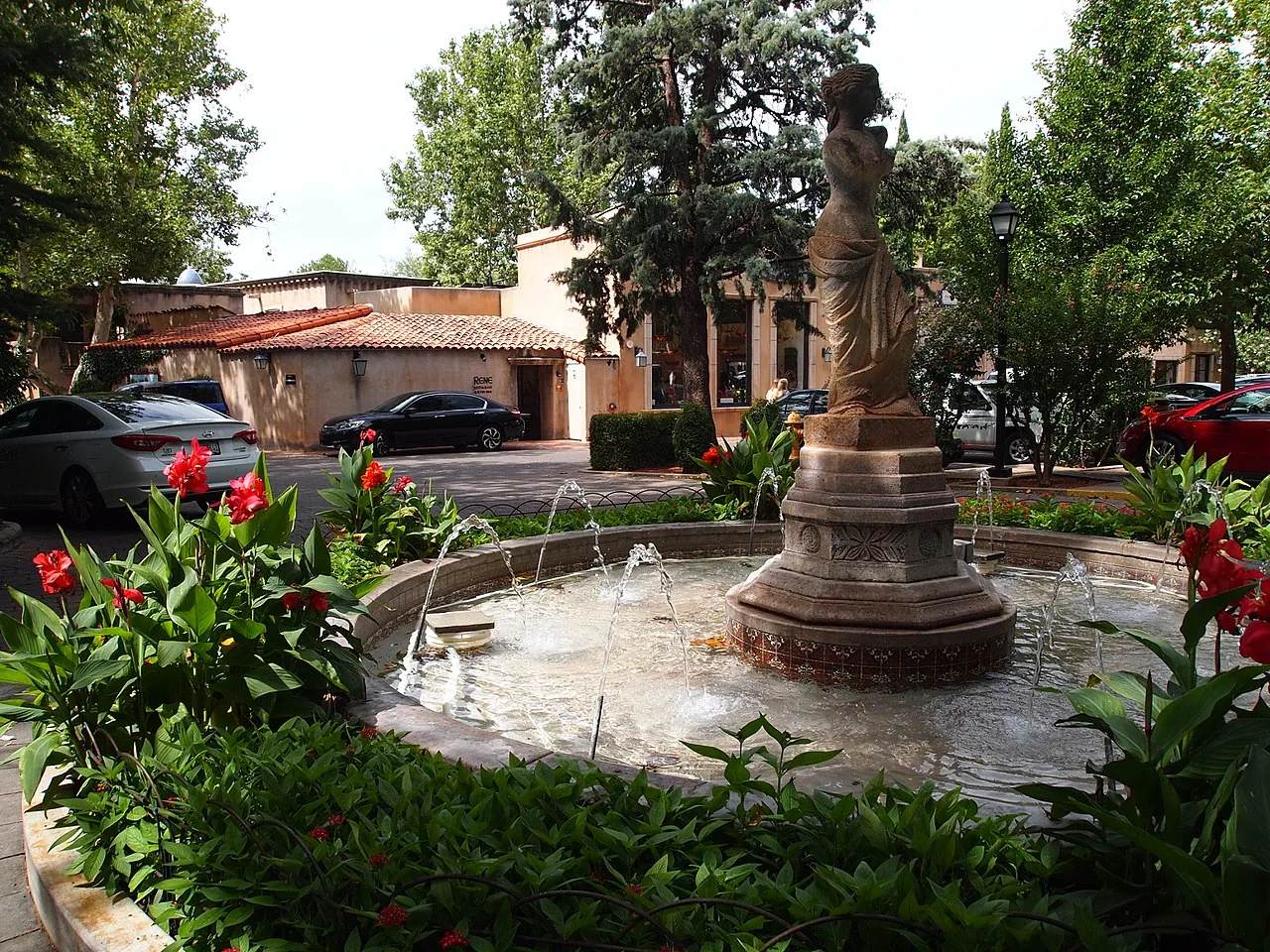
Tlaquepaque (you say it “tla-keh-PAH-keh,” and yes, everyone fumbles it the first time) is an arts and shopping village built to look and feel like an old town in central Mexico. Stucco walls, arched passageways, hand-laid stone underfoot, wrought-iron lanterns, and fountains tucked into shaded plazas. It sits right on the bank of Oak Creek, and the developer deliberately built around the existing sycamore grove rather than clearing it, so the trees are huge and the courtyards stay cool even when the rest of Sedona is baking.
Today there are roughly 40-plus tenants spread across the original village and a newer section called Tlaquepaque North — somewhere around 14 art galleries, a couple dozen specialty shops, and a small cluster of restaurants and cafes. You’ll find Western and contemporary painting, bronze and stone sculpture, blown glass, ceramics, fine-art photography, hand-woven rugs, jewelry, and a lot of one-of-a-kind decorative work. Even if you’re not buying, it’s a real, working collection of galleries — not a strip of souvenir T-shirt shops.
It also functions as one of Sedona’s de facto town squares. Locals come for the restaurants and the events, weddings happen at the little chapel, and on event evenings the courtyards fill with music and families rather than just out-of-towners. That mix is part of why it feels alive rather than staged. The official slogan, “the best of everything,” is marketing, sure — but the place earns more of it than you’d expect from an outdoor shopping center.
Here’s the honest pitch: Sedona is a hiking-and-driving town, and Tlaquepaque is the antidote to all of that. It’s where you go when it’s 102 degrees and you don’t want to be on red rock, when it’s raining, when your group is split between “hike everything” people and “I’d rather shop and eat” people, or simply when you want a slow, pretty couple of hours and a nice meal. After a morning on a hot trail like Devil’s Bridge, it’s a genuinely lovely place to cool off.
A little history (it’s younger than it looks)
The whole place is designed to feel centuries old, but it isn’t. A businessman named Abe Miller bought the land — a sycamore grove on the banks of Oak Creek — in the early 1970s, with the idea of building a true working community of artists modeled on the villages of old Mexico. He named it after Tlaquepaque, a suburb of Guadalajara long known for its crafts and pottery. The name comes from an old Nahuatl (Aztec) word, and the meaning that’s always attached to it is “the best of everything.”
Miller was a stickler about authenticity. Rather than clearing the site, he built the village around the existing sycamores, sometimes routing walls and roofs around individual trees. Artisans did much of the work by hand, and many of the architectural details — tiles, ironwork, carved doors, the bell tower and chapel — were sourced or crafted to match the Mexican-village look. After years of construction it opened to the public in the late 1970s.
That care is why it doesn’t feel like a strip mall pretending to have charm. The proportions are right, the materials are real, and forty-odd years of plant growth and patina have done the rest. The newer Tlaquepaque North section, across the parking area, was added decades later in a matching style; it blends in well enough that most visitors don’t realize where the old part ends and the new part begins.
Local tip: The shaded original courtyards are the heart of it. If you only have 30 minutes, skip the North section first and head straight into the main village through the big arched entrance off SR 179 — that’s where the fountains, the chapel, and the oldest galleries are.
Where it is, how to get there, and parking
Tlaquepaque is at 336 State Route 179 in Sedona, on the east side of the road just south of the “Y” (the roundabout-heavy junction where SR 179 meets SR 89A). It’s about a two-minute drive from Uptown and an easy walk from several hotels along 179.
A few things to know before you go:
- No Red Rock Pass needed. This is private property, not National Forest land, so the Red Rock Pass you need for many trailheads does not apply here. There’s no entry fee to the village at all.
- Parking is free. There are lots wrapping the property and additional parking on the Tlaquepaque North side, across the entrance road. On a normal day you’ll find a spot without much trouble.
- It fills up at peak times. Weekend afternoons in spring and fall, holiday weeks, and event days (Cinco de Mayo, Day of the Dead, the December lights) can pack the lots. If the main lots are full, the North lot usually has room, and there’s overflow nearby.
- Big rigs: RVs, fifth-wheels, and tour buses are directed to the Portal Lane lot just northwest of the village rather than the regular lots — don’t try to wedge a motorhome into the standard spaces.
SR 179 itself is a scenic but busy two-lane with several roundabouts; take it slow, especially the first time. If you’re coming up from the Village of Oak Creek you’ll pass Bell Rock and the famous red-rock views of the Red Rock Scenic Byway on the way in, which makes the approach part of the fun.
What to expect when you walk in
The village is built on a gentle slope, so you’ll go up and down a few short flights of stairs and across uneven, hand-laid stone as you explore. It’s not large — you can loop the whole thing in well under an hour if you don’t stop — but the layout is intentionally maze-like, with little passageways and tucked-away courtyards that reward poking around. Half the pleasure is getting slightly turned around and stumbling onto a fountain or a balcony you didn’t know was there.
Plan for:
- Galleries first if you’re an art person. The serious work is in the galleries — bronze, glass, painting, photography, and rugs. Staff are generally friendly and not pushy; browsing is expected, and you won’t be hassled if you’re just looking.
- Shops for gifts and one-offs. Jewelry, home goods, leather, books and records, candles, clothing, and Southwestern decor. Prices skew higher than a typical mall because so much is handmade or gallery-grade, but there are affordable small things too.
- A meal or a coffee in the middle. This is a good place to anchor lunch or an early dinner around your shopping rather than racing off somewhere else.
It’s a calm, strollable place. The only real “difficulty” is the stairs and the uneven stone, which matter mostly for accessibility (more on that below).
A few things first-timers don’t expect: it’s bigger on the inside than it looks from the road, the upper-level balconies hide some of the best little shops, and the courtyards are genuinely quiet — the thick walls and the trees soak up traffic noise from SR 179, so once you’re a few steps in it feels removed from the busy road just outside. If you like architecture and detail, slow down and look up: the carved doors, hand-painted tiles, ironwork, and the bell tower are all part of the show, and they’re easy to walk right past if you’re only window-shopping.
The restaurants and cafes
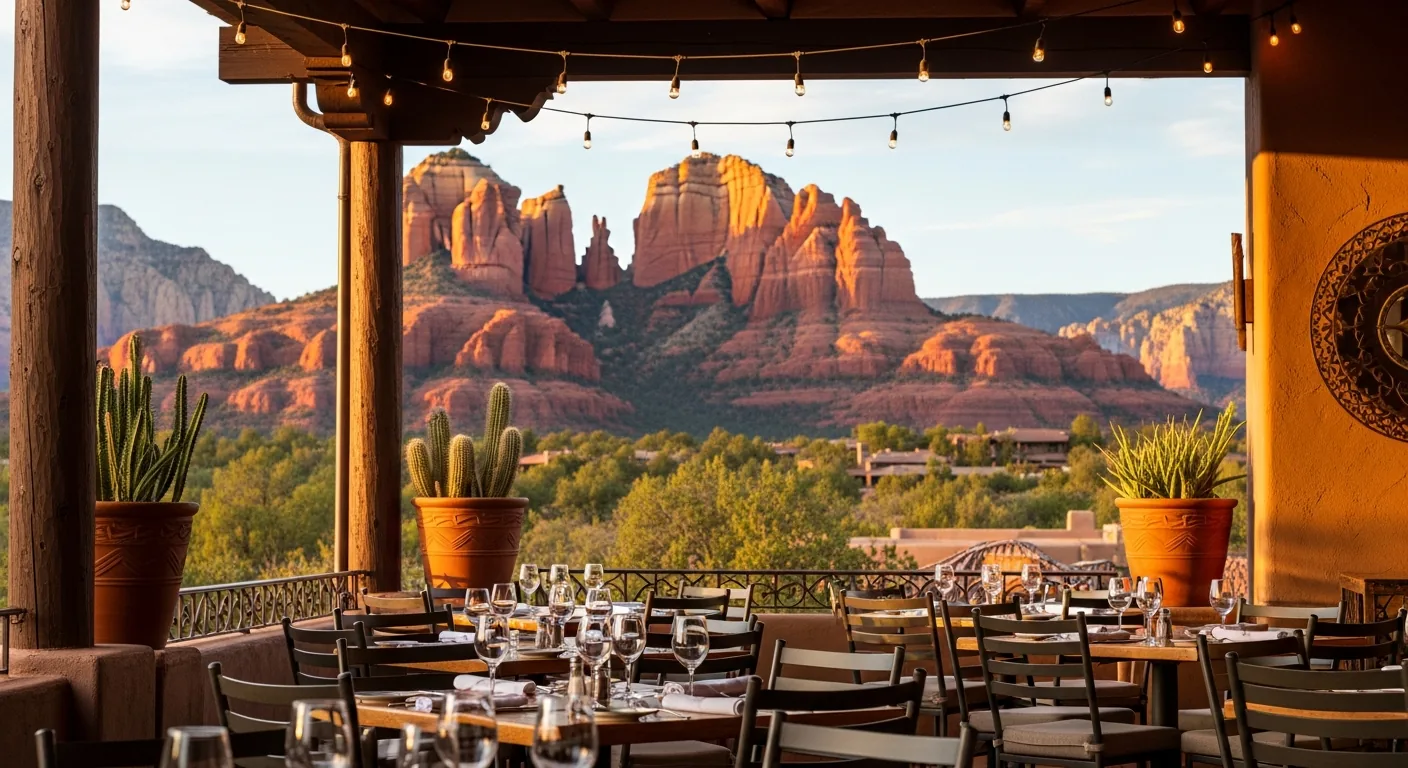
The food at Tlaquepaque is a real draw, not an afterthought. The lineup shifts over time, so confirm what’s open and current hours before you count on a specific spot, but the established names worth knowing are:
| Spot | What it is | Good for |
|---|---|---|
| El Rincón Restaurante Mexicano | Long-running “Arizona-style” Mexican | Casual lunch or dinner, margaritas on the patio |
| René at Tlaquepaque | The village’s upscale, white-tablecloth room | A nicer dinner or special occasion |
| Oak Creek Brewery & Grill | Brewpub with house beers | Burgers, pizza, a cold pint after a hike |
| Pump House Station Urban Eatery | Bright breakfast-and-lunch spot | Morning fuel and brunch |
| The Secret Garden Cafe | Tucked-away cafe in a leafy courtyard | A quiet, shaded sit-down |
| Coffee, ice cream & sweets | Cafes, a chai house, ice cream and churros | A quick pick-me-up while you browse |
El Rincón is the old reliable for Mexican and has been there for decades; René is the one to book if you want a more formal meal. If you’d rather pair Tlaquepaque with a bigger dinner elsewhere, the village sits in the same 179 dining cluster covered in the best restaurants guide, and there’s plenty of fine dining within a few minutes’ drive.
A practical note: the restaurants generally keep longer hours than the shops. Galleries and stores tend to wind down by late afternoon (roughly 5 to 6 p.m. depending on the season), while restaurants stay open into the evening — which is part of why the village is so pleasant after the day-trippers thin out.
Events, live music, and the festive side
Tlaquepaque is more than shops — it runs a calendar of events, and timing your visit to one can make the trip. Among the regulars:
- Festival of Lights — the big one. On a Saturday evening in mid-December, the village lights thousands of luminarias (paper-bag lanterns) along the walls, walkways, and courtyards. It’s a long-running Sedona tradition that draws huge, happy crowds, with music, entertainment, and the lighting at dusk. Beautiful, and absolutely packed — come early and expect to park a walk away.
- Day of the Dead (Día de los Muertos) — a multi-day celebration around early November with large installations, altars, sugar-skull decorating, music, and dance throughout the village.
- Cinco de Mayo and other Mexican-themed fiestas in spring.
- Flamenco and live music in the courtyards on select dates through the warmer months — the acoustics of the enclosed plazas are genuinely good.
- Gallery events and wine tastings, including First Friday-style art evenings.
Check the village’s official calendar before your trip for exact dates, since they shift year to year and some events are single evenings. If your trip happens to overlap the December lights, build your whole evening around it.
For the Festival of Lights specifically, a little strategy goes a long way: arrive well before dusk so you can park and get settled before the lighting, dress for a cold desert evening, and don’t expect a quiet stroll — it’s one of the most-attended nights of the Sedona year, and the narrow courtyards concentrate the crowd. If big crowds aren’t your thing, the village is just as pretty (and far emptier) on an ordinary December evening with the regular holiday decorations up.
When it’s prettiest — best time of day and season
Tlaquepaque rewards good timing more than most attractions:
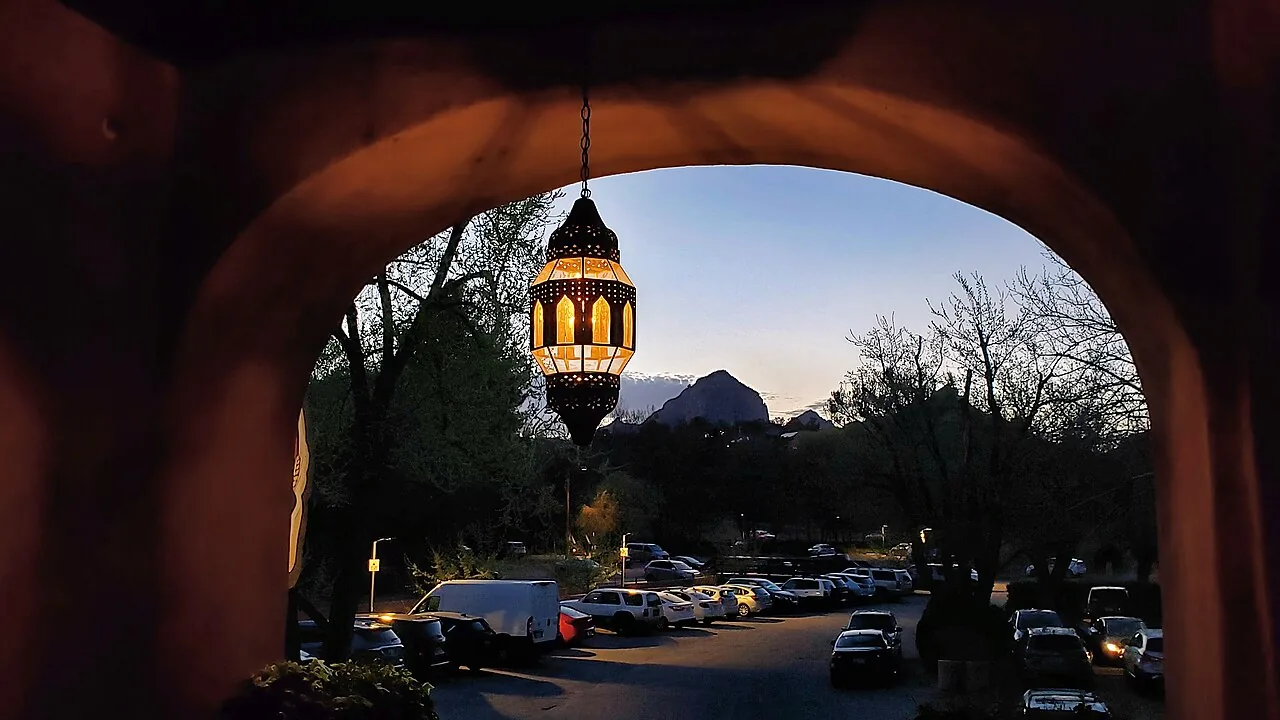
- Late afternoon into evening is the sweet spot. The light goes warm and golden on the stucco, the daytime crowds thin, the lanterns come on, and the restaurants are humming. If you can only pick one window, make it the hour or two before sunset.
- Mornings are the quietest. If you want photos without people in them, or you just hate crowds, arrive right at opening (around 10 a.m.) and you’ll have the courtyards mostly to yourself.
- Midday in peak season (spring and fall weekends) is the busy, bumpy part — more shoulder-to-shoulder, harder parking. The upside is the deep shade keeps it comfortable even when it’s hot.
- Holiday season is the showpiece, thanks to the luminarias and decorations, but also the most crowded.
- Spring and fall are the loveliest weather overall; summer is hot but the shade and the creek-side setting make Tlaquepaque one of the more bearable midday options in town; winter days are crisp and quiet, and the December lights are the highlight.
Local tip: For the best photos, come about an hour before sunset and again right at dusk. The first window gives you warm light on the arches and fountains; the second gives you the lanterns glowing against the blue evening sky. The chapel and the main fountain courtyard are the most photogenic spots.
Accessibility
Be realistic about this one. Tlaquepaque is charming precisely because it’s old-feeling, and that means hand-laid stone, uneven surfaces, and several short flights of stairs between levels. It is not a flat, modern shopping center.
- Wheelchairs and strollers: Much of the ground level is navigable, and there are accessible routes and designated disabled parking near the entrances, but the cobbles can be rough and bumpy, and some upper courtyards and shops are reachable only by stairs. Expect to do some rerouting.
- Walking: Wear comfortable, closed-toe shoes with decent traction. Smooth-soled sandals or heels and wet cobblestones are a bad combination.
- Restrooms: Public restrooms are available within the village.
- Restaurants and ground-floor galleries are generally the easiest to reach; the appeal of “wandering every nook” is harder if stairs are an issue.
If anyone in your group has serious mobility limits, you can still enjoy the main entrance courtyards, the fountains, and several restaurants without much climbing — just go in with the expectation that you won’t reach every corner.
How to avoid the crowds
Tlaquepaque is small, so when it’s busy it feels busy. To dodge the worst of it:
- Go early or late. First thing after opening or in the evening after the tour-bus crowd clears are both far calmer than midday.
- Avoid weekend afternoons in spring and fall, the peak season for the whole region.
- Skip the big event days if crowds stress you out — or lean in and accept that the December lights and Day of the Dead will be shoulder-to-shoulder.
- Park smart. If the main lots are full, head straight to the Tlaquepaque North lot or the overflow rather than circling.
- Weekdays in general are noticeably quieter than weekends.
Because it’s indoors-ish and weather-proof, Tlaquepaque is also the obvious move on a rainy or cold day — just know that everyone else has the same idea, so a wet afternoon can actually be one of the busier times.
What to bring
You don’t need much, but a few things help:
- Comfortable shoes with grip — the stone is uneven and can be slick when wet.
- A light layer for the evening; the shaded courtyards stay cool and Sedona nights drop fast once the sun is down.
- Sun protection for the open plazas in summer, even with all the shade.
- A real camera or a charged phone — this is one of the most photogenic spots in town.
- A little patience for parking on busy days, and cash or card for shops and restaurants (most take cards).
- Water, as always in Sedona — the dry air sneaks up on you even when you’re “just shopping.”
You don’t need a Red Rock Pass, hiking gear, or a reservation to walk the village (though you’ll want a dinner reservation for René in peak season).
Safety and practical notes
This is about as low-risk as Sedona attractions get, but a few sensible things:
- Watch your footing on the stairs and stone, especially with kids, in the dark, or after rain.
- Mind the heat in summer — even in the shade, midday July and August are hot, and the open courtyards collect sun. Hydrate.
- Pets: Tlaquepaque is generally pet-friendly in the outdoor areas, but individual shops and restaurants set their own rules, so don’t assume your dog can come inside everywhere. Never leave a pet in a hot car.
- Kids do fine here, but it’s a place of fountains, galleries, and breakable art — keep an eye on little hands.
- Hours change seasonally and vary by tenant; always confirm current hours for any specific shop or restaurant before you go out of your way.
What to pair it with nearby
Tlaquepaque is right in the middle of the SR 179 corridor, which makes it easy to fold into a half-day:
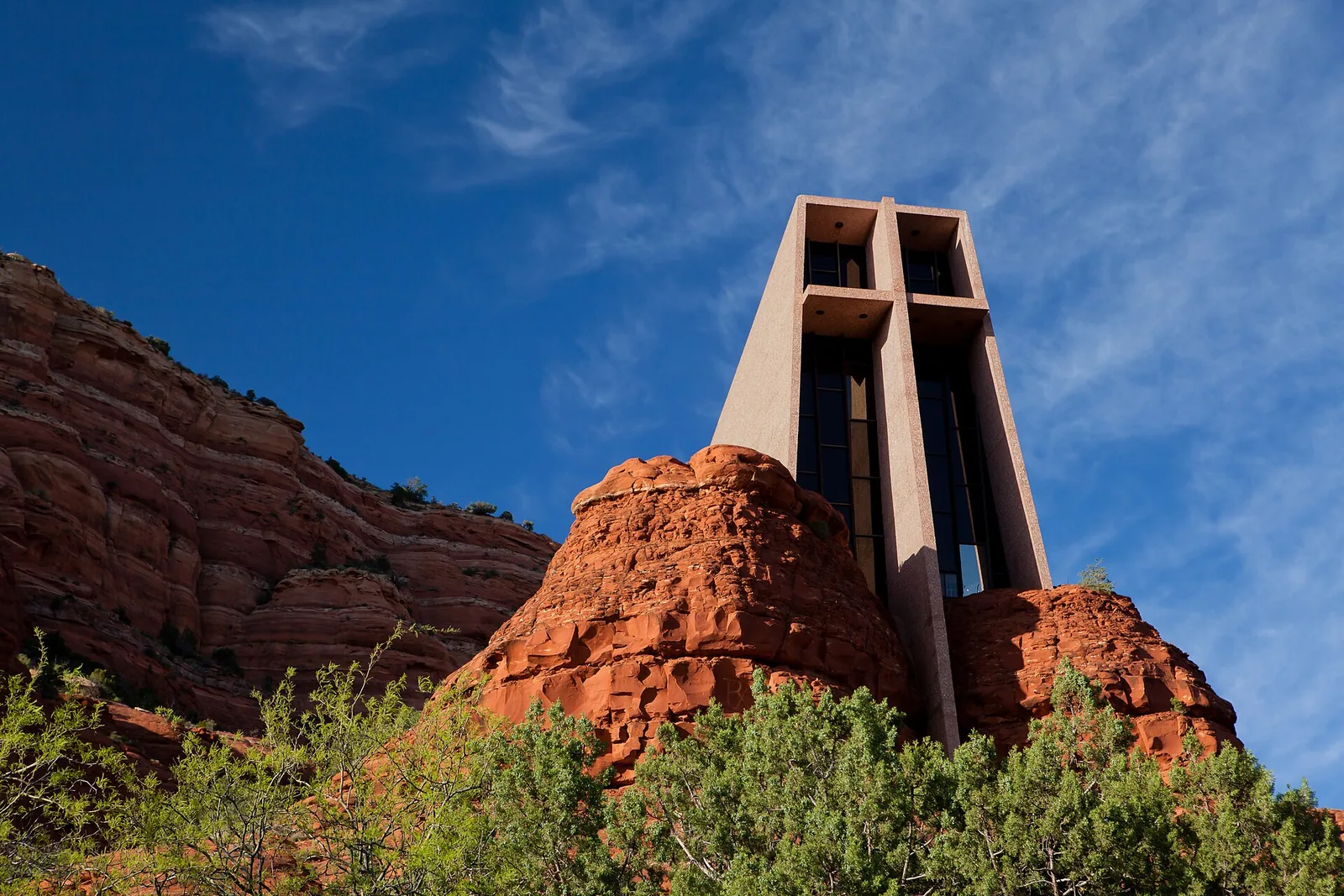
- Chapel of the Holy Cross — the famous modernist church built into the red rock is a few minutes south on 179. It pairs naturally with Tlaquepaque for a low-effort, high-reward afternoon. See the Chapel of the Holy Cross guide.
- Bell Rock and the Village of Oak Creek — continue south on 179 for the iconic red-rock views and an easy walk at Bell Rock.
- Uptown Sedona — two minutes north for more shops, ice cream, and the busiest people-watching in town.
- More galleries — if Tlaquepaque whets your appetite for art, Sedona has plenty more; the art galleries guide covers the wider scene.
- A sunset spot — time your visit so you leave around golden hour and catch one of the nearby sunset spots, or simply enjoy the village’s own evening light.
A classic, easygoing Sedona afternoon looks like this: a morning hike, lunch and a wander at Tlaquepaque, the Chapel of the Holy Cross at golden hour — and then back to the house for a cool-down rally on the indoor court while dinner comes together. If that’s the kind of low-stress day you’re after, it’s a good reason to stay at Pickler House and use Tlaquepaque as your easy, no-permit-needed half-day.
The bottom line
Tlaquepaque is the rare Sedona attraction that asks nothing of you — no pass, no fee, no trail, no early alarm — and still delivers a genuinely good couple of hours. It’s prettiest in the late afternoon and at the December lights, it’s blessedly shaded in the heat, and it’s the easy answer when your group can’t agree on a plan or the weather won’t cooperate. Walk it slowly, eat well, and don’t feel like you have to buy anything to enjoy it.
Frequently asked questions
Is there an admission fee for Tlaquepaque?
How long should I plan to spend at Tlaquepaque?
What restaurants are at Tlaquepaque?
When is the Tlaquepaque Festival of Lights?
Is Tlaquepaque wheelchair accessible?
What's the best time of day to visit Tlaquepaque?
Stay where you can rally any season
Sedona Pickler is a private West Sedona vacation home with its own indoor, climate-controlled pickleball court — a short drive from the trailheads, viewpoints and restaurants in this Sedona guide. Play at sunrise or after dark, in any weather.
Check availability on Airbnb