Cathedral Rock Trail: Short, Steep & Spectacular
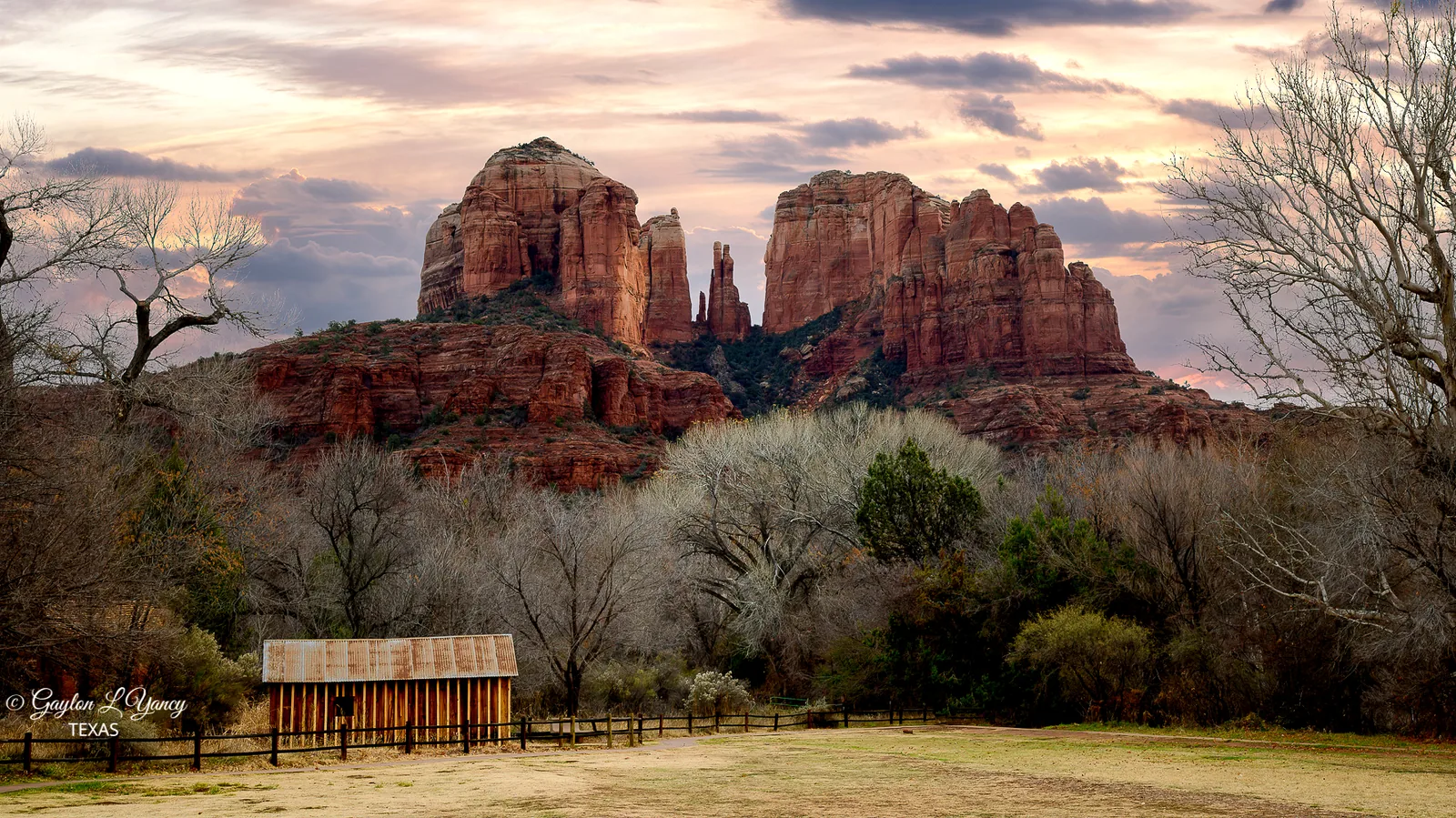
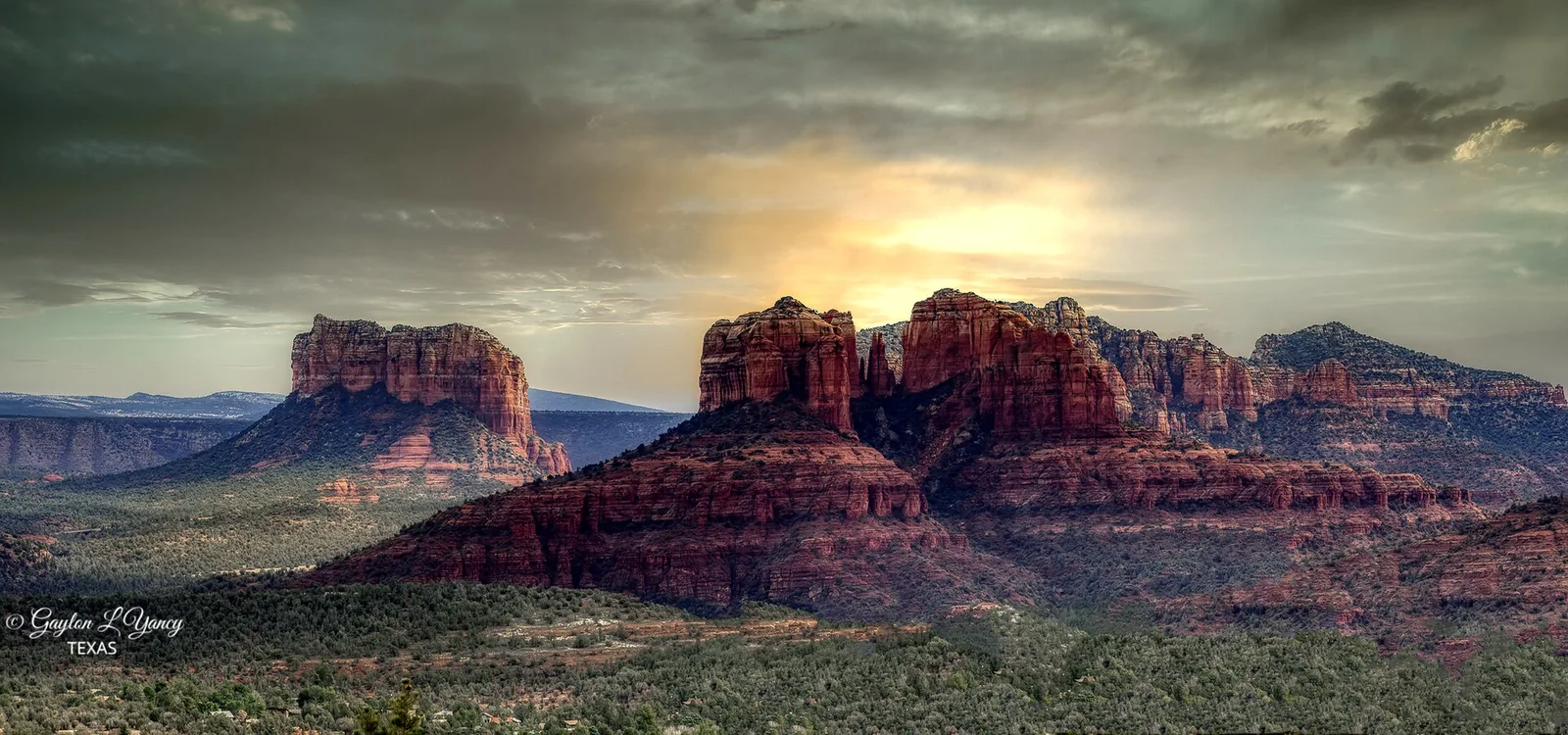
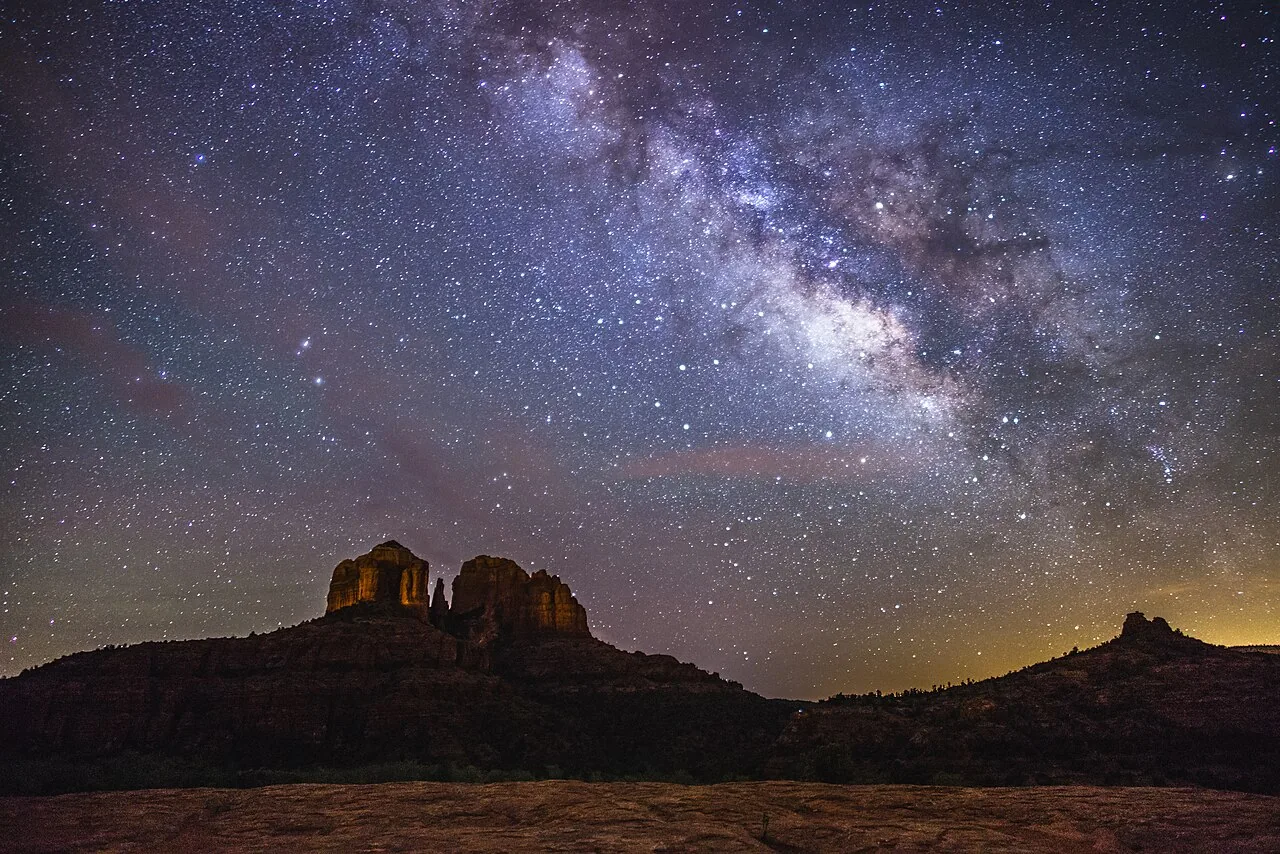
Cathedral Rock is the postcard you’ve already seen of Sedona, even if you didn’t know its name — two red sandstone spires rising over the desert with a notch in the middle. The hike up to that notch is short, only about 1.2 miles round trip, but it earns its reputation honestly: it’s steep, it’s a hands-and-feet scramble in places, and the last stretch is exposed enough that people with a real fear of heights turn around. Done at the right time of day, with the right expectations, it’s one of the best ninety minutes you’ll spend in Arizona.
What it is, and why people make the climb
Cathedral Rock Trail (Forest Service Trail No. 170) is a short out-and-back that climbs from the desert floor up to a saddle — the low “notch” you can see from the highway, sitting right between the two big spires. That saddle is the end of the maintained trail, and it’s where you get the payoff: a wide-open view down over the Verde Valley, Oak Creek, and the layered red rock country rolling out toward the horizon.
A few things make this hike stand out from the dozens of other trails around Sedona:
- It’s short. Around 1.2 miles round trip. You can be back at the trailhead in under two hours even if you stop to take photos and catch your breath.
- It punches way above its distance. The Coconino National Forest rates it as moderate-to-strenuous, and that’s fair. Almost all of the roughly 600 feet of climbing happens in the second half, on bare slickrock.
- The view is genuinely one of the best in Sedona, and you reach it fast. There aren’t many trails where so little walking buys you so much.
- It’s a vortex site. Whatever you make of that, Cathedral Rock is one of the four energy vortexes Sedona is known for, and a lot of people come specifically to sit at the saddle and take it in.
It is not a quiet wilderness experience. Cathedral Rock is one of the most popular hikes in the entire region, and you will share it with a lot of other people unless you plan carefully (more on that below). Go in knowing that, and you’ll have a good time.
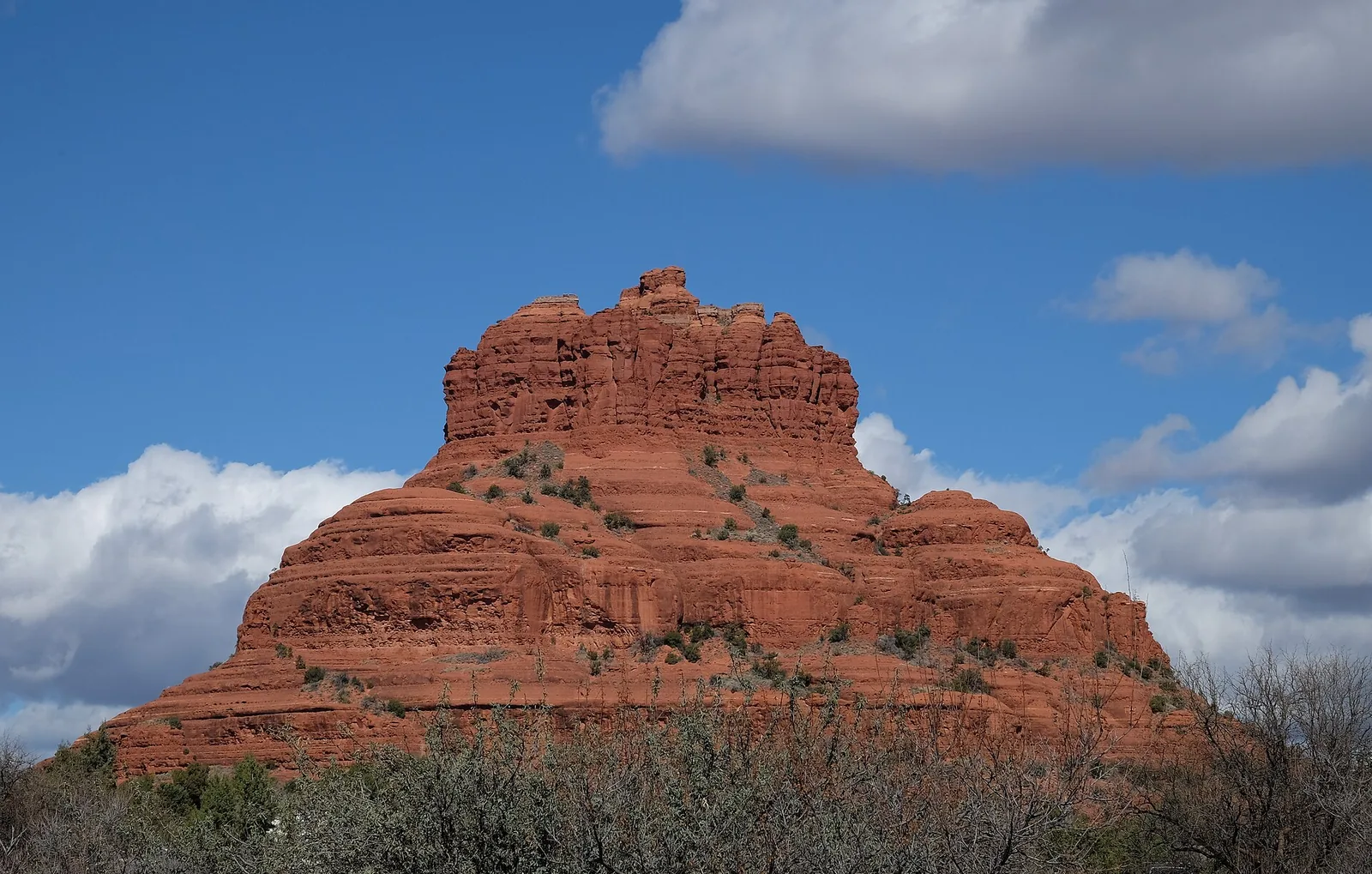
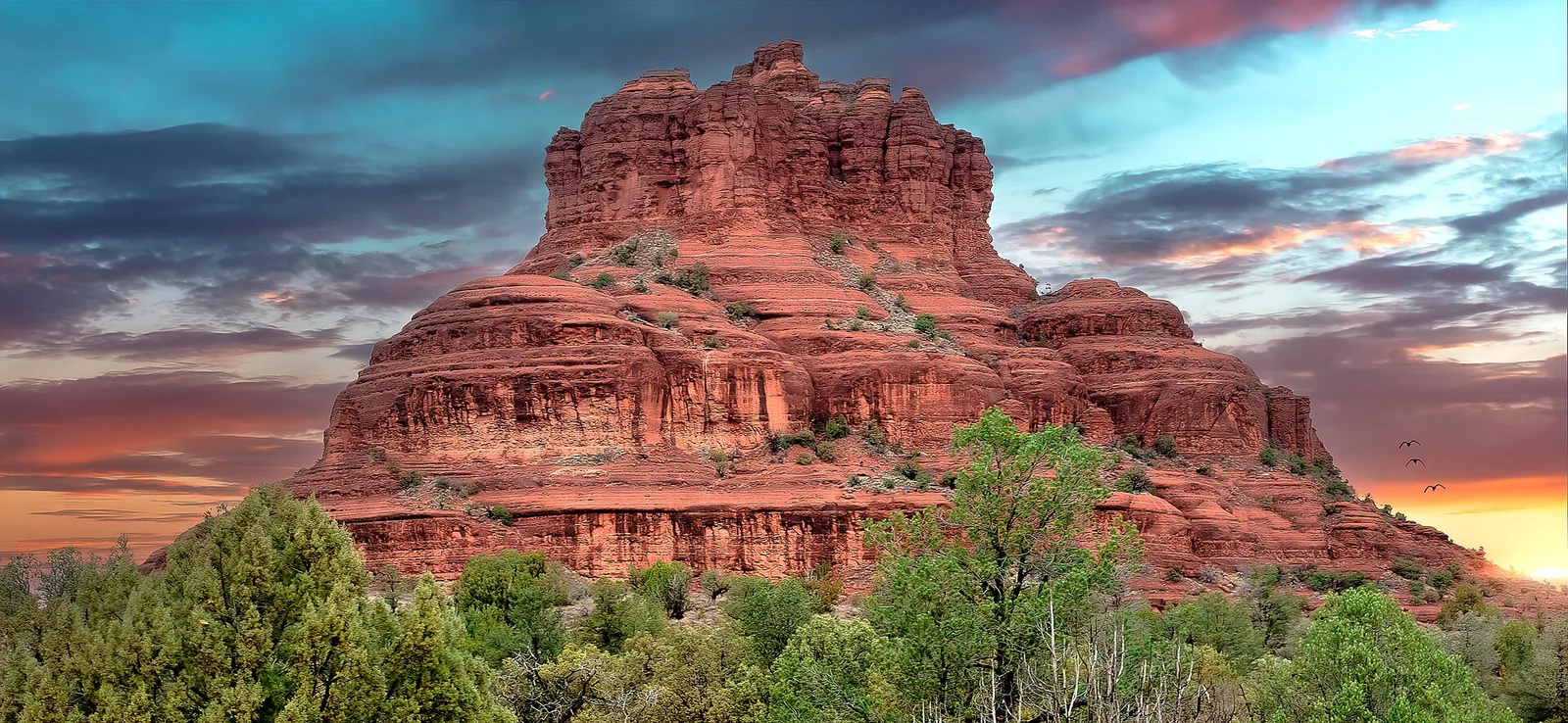
One more thing to set expectations: the “summit” in most people’s photos is the saddle, not the very top of the spires. You do not climb the towers themselves — there’s no maintained route up them, and you shouldn’t try. The saddle is the destination, and it’s plenty dramatic. From there you’re looking out across red rock formations in every direction, with the rounded dome of Bell Rock and Courthouse Butte visible off to the southeast and the green ribbon of Oak Creek’s tree line below. It’s the kind of view that makes the scramble feel worth it the moment you sit down.
Getting there, parking, and the shuttle
This is the part that trips most people up, so read it before you go.
The trailhead sits at the end of Back O’Beyond Road, a short residential street off State Route 179 south of the village. From the junction of SR-89A and SR-179 in central Sedona, you head south on 179 a few miles and turn onto Back O’Beyond Road; the trailhead lot is a short distance down on the left.
The catch is the parking lot. It’s small — the two side-by-side lots together hold roughly 45 cars, and that’s it. On a busy morning the lot fills well before 7 a.m. There’s a vault toilet and a machine to buy your pass, but there is no overflow parking and the surrounding street is residential and signed for no parking, so circling and hoping doesn’t work here.
The Sedona Shuttle (this is the important part)
To deal with the crowds, the City of Sedona runs a free trailhead shuttle, and at Cathedral Rock it isn’t optional on busy days. On the days the shuttle runs, the trailhead parking lot is closed to the public — you cannot drive in and park, period. You take the shuttle.
Here’s how it works:
- The Cathedral Rock shuttle runs Thursday through Sunday, year-round, roughly 7 a.m. to 5:30 p.m.
- During peak windows (spring break is the big one — typically late February through April), the city expands the shuttle to seven days a week. Always check the current schedule before you go, because these dates shift year to year.
- You park for free at the North SR-179 Park & Ride (around 1294 SR-179, near the corner of Bowstring Drive) and catch the bus from there.
- The shuttle is free, and no reservation is needed. You just show up, park, and hop on.
So the simplest way to think about it: if it’s Thursday through Sunday, plan on the shuttle. If it’s Monday through Wednesday, you can usually drive to the trailhead — but only if you get there early.
What pass do I need?
To park at the trailhead (on the days it’s open) you need a Red Rock Pass displayed in your vehicle. As of late 2025 it ran about $5 per day, $15 per week, or $20 per year — but treat those as a guide and confirm the current price, because fees change. An America the Beautiful federal interagency pass also covers it. You can buy the Red Rock Pass at the machine in the lot, online, or at the Sedona visitor center and many local shops.
Two things worth knowing:
- If you ride the shuttle, you do not need a Red Rock Pass for the trailhead — the pass requirement is for parking there, and you’re not parking there.
- The Red Rock Pass does not cover the Crescent Moon / Red Rock Crossing day-use site (the famous photo spot below — more on it later). That’s a separately operated site with its own fee.
| Quick reference | Detail |
|---|---|
| Trail name | Cathedral Rock Trail No. 170 |
| Distance | ~1.2 miles round trip |
| Elevation gain | ~600 ft (most of it in the second half) |
| Difficulty | Moderate–strenuous (slickrock scramble) |
| Trailhead | End of Back O’Beyond Road, off SR-179 |
| Pass to park | Red Rock Pass or America the Beautiful |
| Shuttle days | Thu–Sun year-round (trailhead lot closed); expanded daily in peak season |
| Park & ride | North SR-179 Park & Ride (~1294 SR-179) |
| Dogs | Allowed on leash, but a hard scramble for them |
Difficulty and what to actually expect
The numbers — 1.2 miles, 600 feet — make this sound like a quick stroll. It isn’t. Here’s how the trail really breaks down:
- The easy start. The first quarter mile or so is a normal dirt path across the desert flat. Gentle, sandy, easy walking. This lulls people.
- The slickrock begins. The dirt gives way to bare red sandstone, and the trail tilts up sharply. From here on you’re climbing rock, not walking a path. The route is marked with rock cairns and the occasional basket-style marker — keep an eye out for them, because the “trail” is really just a line up the rock face.
- The steep chute / hand-over-hand section. Partway up there’s a steep gully where you’ll genuinely use your hands. It’s a scramble, not technical climbing — no ropes, no gear — but you’re pulling yourself up over rock ledges, and on the way down you’ll often face the rock and downclimb. This is the spot that surprises people.
- The saddle. You top out at the notch between the spires. This is the end of the trail and where everyone stops to take in the view. Walking past the saddle out onto the surrounding ledges is possible but gets seriously exposed, and it’s where most accidents happen.
A word on heights. Parts of the upper trail are exposed — meaning there’s a real drop next to you. If you have a genuine fear of heights, the steep chute and the saddle ledges can be uncomfortable to the point of freezing up. There’s no shame in turning around; plenty of the view is visible from below the worst of it. Bring kids and dogs only if they (and you) are comfortable on steep rock.
On the cairns. Once you’re on the slickrock there’s no obvious trodden path to follow — the route is marked by stacked-rock cairns and occasional Forest Service markers. If you find yourself somewhere that feels harder or more exposed than what came before, you’ve probably drifted off-route; stop, look around for the next cairn, and correct rather than pushing into terrain that wasn’t meant to be hiked. Most people who get scared or stuck on Cathedral Rock did so by wandering off the cairned line.
On timing your effort. Because the climbing is concentrated in the steep middle and upper third, pace yourself accordingly. The flat start is deceptively easy; don’t burn through your water and energy before the real work begins. A slow, steady rhythm up the slickrock beats charging it and then having nothing left for a careful descent.
Best time of day and best season
Time of day
- Early morning is the sweet spot. Cooler temperatures, softer light, and — on Monday through Wednesday when the lot is open — your best shot at actually parking. If you want the trail mostly to yourself, be at the trailhead at sunrise.
- Sunset is the famous one. Cathedral Rock at sunset is a Sedona rite of passage, the rock face glowing deep orange-red as the sun drops. It’s spectacular and it’s mobbed. If you go for sunset, plan your descent: you do not want to be downclimbing that slickrock chute in the dark. Bring a headlamp, every time, even if you think you’ll be down before dark.
- Midday in summer is the worst combination — full sun on bare rock with no shade.
Local tip: The classic mistake is hiking up for sunset and then realizing you have to scramble down in fading light with a phone flashlight. Carry a real headlamp, start down while you still have good light, and save the truly dark drive home for the comfort of the car. Then it’s a short hop back to book the house and a low-stakes rally on the indoor court instead of a white-knuckle downclimb.
Season
Sedona’s seasons matter more than the short distance suggests:
- Spring (March–May) and fall (October–November) are ideal — comfortable temperatures and good light. They’re also the most crowded, which is exactly when the shuttle expands to seven days a week.
- Summer (June–August) gets hot, often over 100°F, and that bare slickrock radiates heat. If you go in summer, go at sunrise and bring more water than you think you need.
- Winter (December–February) is quieter and often beautiful, but slickrock can hold ice and snow in shaded spots, which makes the scramble genuinely dangerous. If there’s been recent snow or it’s below freezing, check conditions first.
What to bring
It’s a short hike, but the steep, sun-exposed rock means you should still pack like you mean it:
- Real shoes with grip. Trail runners or hiking shoes with good tread. The slickrock is grippy when dry but smooth — flip-flops and slick-soled sneakers are how people slip.
- Water. At least a liter per person, more in summer. There’s no water on the trail.
- Sun protection. Hat, sunglasses, sunscreen. There is essentially no shade once you leave the flat.
- A headlamp if there’s any chance you’ll be out near sunset.
- Free hands. A small daypack beats carrying things, because you’ll want both hands for the scramble.
- Your phone or a camera — but secure it. People drop phones on the steep sections.
Leave behind: anything you can’t climb with in your hands, and the idea that this is a casual walk.
Accessibility
Be honest with yourself here. Cathedral Rock is not an accessible or beginner-friendly trail. The slickrock scramble, the steep chute, and the exposed saddle put it out of reach for wheelchairs, strollers, and many people with mobility limitations or balance concerns.
The good news is that the best view of Cathedral Rock doesn’t require climbing it at all. From down below — especially at Red Rock Crossing — you get the iconic, reflected-in-the-creek view with little to no climbing. If the scramble isn’t for you or someone in your group, that’s the place to go, and it’s covered below. For other gentler options around town, see our roundup of easy hikes.
How to avoid the crowds
Cathedral Rock is popular for good reason, and on a spring weekend it can feel like a line of people moving up and down the rock. You can dodge most of that:
- Go at sunrise. This is the single biggest thing you can do. The early crowd is small, the light is good, and you avoid the heat.
- Go midweek if you can. Monday through Wednesday the shuttle isn’t running and the lot is open — but it still fills early, so “midweek” only helps if you also go early.
- Skip the peak holiday weekends. If your dates are flexible, the shoulder seasons and weekdays are far more pleasant.
- Embrace the shuttle. Counterintuitively, on Thursday–Sunday the shuttle can be the easier option — no circling a full lot, no stress about a parking spot, just park at the Park & Ride and ride in.
Safety
Most Cathedral Rock incidents come down to the same few things. Keep these in mind:
- The downclimb is harder than the climb. Going down the steep chute is where people slip. Take it slow, face the rock when it’s steep, and use your hands.
- Don’t push past your comfort with heights. The ledges beyond the saddle are exposed and unforgiving. The official trail ends at the saddle for a reason.
- Heat is the real danger in summer. Bare red rock in full Arizona sun is brutal. Sunrise, water, and turning around if you feel cooked are not optional.
- Ice in winter turns the slickrock treacherous. If it’s been cold or snowy, reconsider.
- Mind your footing on the smooth rock, especially in slick-soled shoes or if it’s wet.
- Watch kids and dogs closely. The drops are real and the rock is steep.
This isn’t meant to scare you off — thousands of people of all ages do this hike safely every week. It’s meant to keep you in that group.
The classic photo spot: Red Rock Crossing
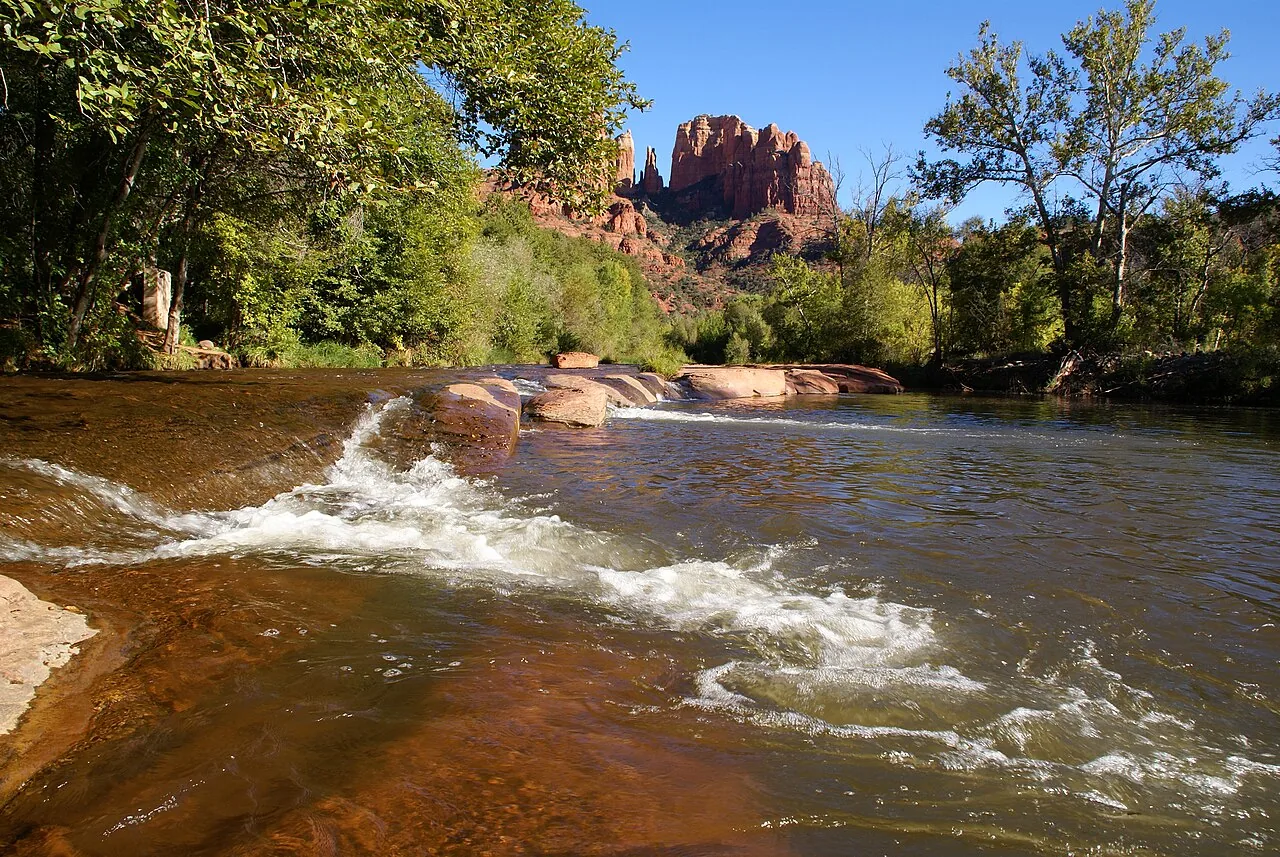
Here’s the thing first-timers often miss: the most famous photograph of Cathedral Rock isn’t taken from Cathedral Rock — it’s taken from below, looking up, with Oak Creek in the foreground.
That spot is Red Rock Crossing, at the Crescent Moon Picnic Site, a day-use area run by the Coconino National Forest. From the creekside here, you get the postcard: the twin spires of Cathedral Rock rising behind the water, and on a still morning, mirrored in it. It’s one of the most photographed scenes in the Southwest, and it’s an easy, near-flat walk from the parking area to the creek — no scramble required.
A few practical notes:
- It charges its own fee. Crescent Moon / Red Rock Crossing is a separately operated site, and the Red Rock Pass does not cover it. Expect to pay a per-vehicle day-use fee at the gate (around $15 per vehicle in recent seasons — confirm the current rate). The America the Beautiful pass generally doesn’t cover this one either.
- Hours are limited. It’s day-use only, typically open from morning until dusk (longer in summer). It’s not a sunset-after-dark spot.
- Best light is morning for the reflection, when the water is calmest and Cathedral Rock catches the early sun.
- It’s a great option for anyone who wants the iconic view without the climb, and it’s a lovely, shady, family-friendly spot to wade in the creek on a hot day.
If your goal is the photo rather than the summit, go straight to Red Rock Crossing. If you want both the climb and the photo, do the trail at sunrise and the creek later in the morning.
The vortex, if that’s your thing
Cathedral Rock is one of Sedona’s well-known vortex sites — places said to have concentrated natural energy good for meditation and reflection. The saddle, at the top of the trail, is where people come to sit quietly and take it in.
Worth a heads-up: sources can’t even agree on what kind of vortex it is — some call Cathedral Rock a feminine, calming, introspective energy; others describe it as a powerful masculine, activating one. Don’t let the contradiction bother you. Whether you’re a believer or a skeptic, sitting at that saddle with the whole Verde Valley spread out below is a genuinely calming experience, and that’s reason enough to linger. If vortexes interest you, our vortexes guide covers all the major sites around town.
What to pair it with nearby
Because Cathedral Rock is short, it pairs perfectly with other things in the same corner of Sedona. Some good combinations:
- Bell Rock and the Village of Oak Creek. Just a little farther south on SR-179, Bell Rock is an easier, gentler hike with another vortex and big views — a great low-key counterpoint to Cathedral Rock’s scramble. Easy to do both in one morning.
- The Chapel of the Holy Cross. Also off SR-179, this striking church built into the red rocks is a quick, moving stop and an easy add-on.
- Red Rock Crossing, as above, for the iconic photo and a creekside cool-down.
- A bigger adventure if you want more miles. If 1.2 miles left you wanting, look at our hard hikes roundup for longer, tougher days out, or take the scenic drive up Oak Creek Canyon in the afternoon.
- Sunset and dinner. If you hit Cathedral Rock for sunset, you’re well placed to head back toward the village for dinner afterward.
Here’s how a low-stress version of the day can look:
| Time | What |
|---|---|
| Sunrise | Hike Cathedral Rock (lot open if midweek, or take the shuttle) |
| Mid-morning | Drive to Red Rock Crossing for the classic photo and a creek break |
| Late morning | Easy stop at Bell Rock or the Chapel of the Holy Cross |
| Afternoon | Rest, lunch, and out of the midday heat |
| Evening | An easy dinner — no need to be on a steep rock face after dark |
That’s the whole trick to Cathedral Rock: it’s short enough to fold into a bigger day, dramatic enough to be the highlight of it, and best enjoyed when you’ve planned around the parking, the heat, and the light. Get those three right and the rest takes care of itself.
Frequently asked questions
How long and hard is the Cathedral Rock Trail?
Do I need a permit or pass for Cathedral Rock?
Why is the parking lot closed and how does the shuttle work?
Is Cathedral Rock too scary if I'm afraid of heights?
When is the best time to hike Cathedral Rock?
Where do you get the famous Cathedral Rock photo?
Stay where you can rally any season
Sedona Pickler is a private West Sedona vacation home with its own indoor, climate-controlled pickleball court — a short drive from the trailheads, viewpoints and restaurants in this Sedona guide. Play at sunrise or after dark, in any weather.
Check availability on Airbnb