Summer in the desert sends everybody looking for water, and around Sedona the water is real. Oak Creek runs cold and clear through the canyon just north of town, fed by springs and mountain snowmelt, and it stays cold even when the afternoon hits the mid-90s. That’s the honest pitch for a Sedona summer. It isn’t a mountain town, and midday still runs about 10°F cooler than Phoenix rather than the 20 people imagine, but it has creeks the low desert doesn’t. On a hot day, a couple of hours standing in Oak Creek does more than any amount of shade. Here are the swimming holes worth the drive, what each one costs, when to show up, and the two things that can turn a creek day sideways: cold water and monsoon storms.
Slide Rock State Park: the one everybody means
When people say “the swimming hole in Sedona,” they usually mean Slide Rock. It’s a state park built around an old apple farm in Oak Creek Canyon, about seven miles north of town on Highway 89A, and the draw is a natural chute in the sandstone, roughly 80 feet long, where the creek has worn a slick channel you can actually slide down. Algae on the rock makes it slippery, which is the whole point, and it’s why the park tells you to wear shoes you don’t mind soaking. There are wading pools, deeper swimming spots, shaded creekside tables, and short trails through the orchard.
The catch is cost and crowds. From May through September the gate fee is $30 per vehicle for up to four adults, dropping to $20 the rest of the year, with extra adults about $5 a head. Fees change, so confirm the current rate before you go. The park opens at 8 a.m., and on a summer weekend the lot can fill and the gate can close by mid-to-late morning, leaving everyone else waiting in a line on 89A for a car to leave. There’s no way around it: get there at opening or plan on a wait. The swim area closes an hour before the park does, so this is a daytime outing, not an evening one. There’s no lifeguard, the rocks are hard and slick, and the deeper channel is colder and pushier than it looks. Our full Slide Rock guide goes deeper on parking, the slide itself, and how to time a visit.
Grasshopper Point: closer, shadier, less of a scene
If Slide Rock is full, or you just want something calmer, Grasshopper Point is the other well-known spot, and it’s closer: about two miles north of Sedona on 89A, run by the Coconino National Forest. It’s a swimming and picnic area with a deeper, shaded pool tucked under the canyon walls, a couple of short trails, and rock ledges that draw jumpers. The water is a little deeper and calmer than Slide Rock’s slide section, which makes it a better fit for actual swimming than sliding.
The fee here works differently, and it trips people up. Grasshopper Point charges its own day-use fee, $15 per vehicle for up to five people, or about $4 a head for walk-ins and cyclists, and it does not take the Red Rock Pass or the America the Beautiful federal pass. A Coconino annual pass works; the usual passes don’t. Hours run 8 a.m. to 6 p.m. in the warm season. Parking is limited and fills fast on weekends and holidays, so the same rule applies: early or not at all.
Wet Beaver Creek and “The Crack”: you earn this one
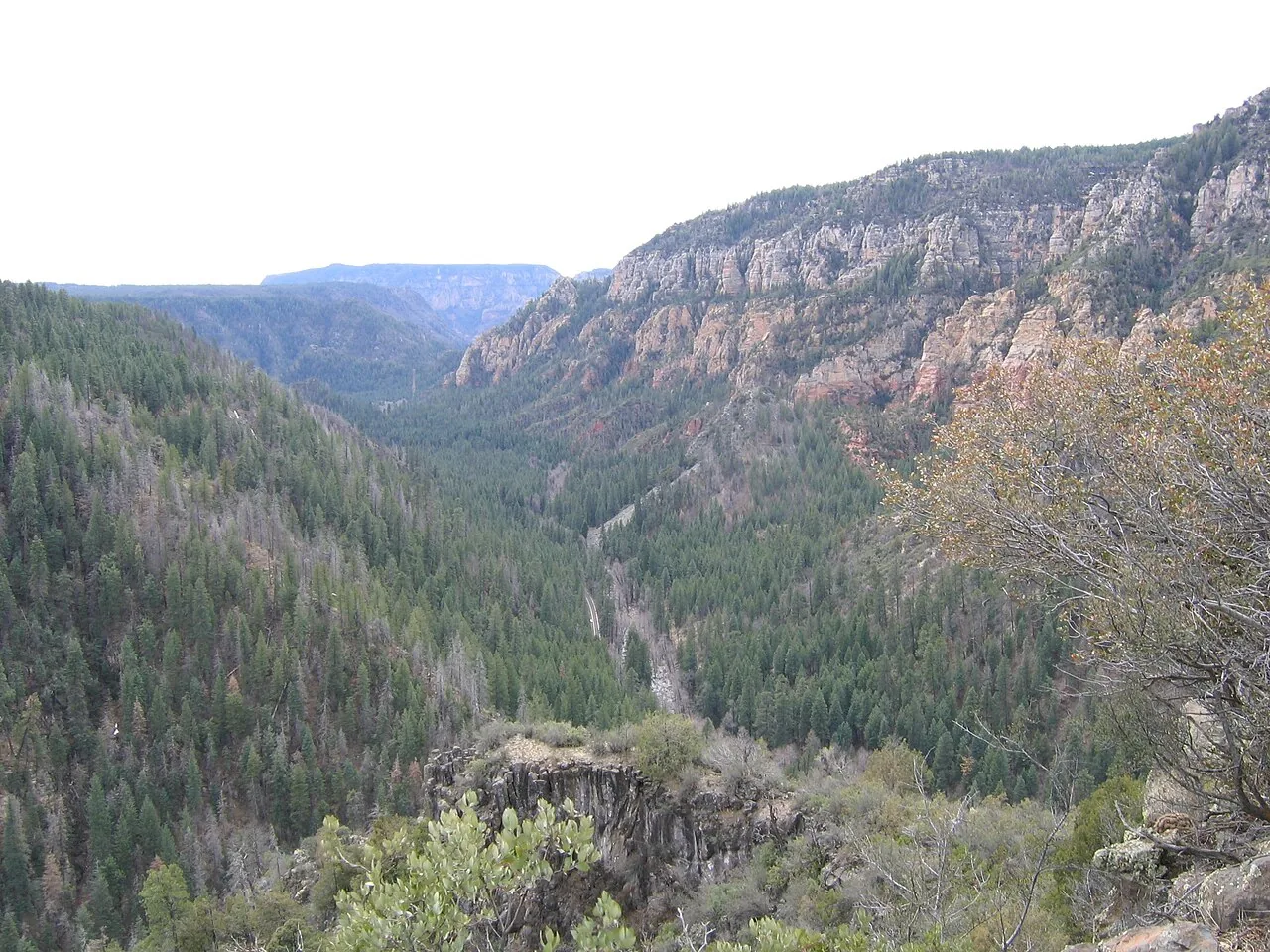
The other name that comes up is Wet Beaver Creek, and specifically a spot called The Crack, where the creek pools up between narrow red-rock walls. It’s the prettiest of the three and the most work to reach. It sits southeast of Sedona near the Interstate 17 interchange. The Bell Trailhead is off I-17 Exit 298, about a 35-minute drive from town, and you reach the water on foot. The Bell Trail runs flat but almost fully exposed for three to four miles each way before it reaches the swimming hole, so it’s genuinely hot going in summer. Carry more water than you think you need, wear a hat, and start early. People underestimate the walk back in the afternoon heat every year.
Parking at the Bell Trailhead takes a Red Rock Pass or an America the Beautiful pass, the opposite of Grasshopper Point, so check which you’ve got before you drive out. There are no permits or reservations for the swim area itself. The reward is a deep, cold pool worth the hike, usually with room to spread out because the distance thins the crowd.
The practical rundown
Here’s the short version, side by side. Fees change, so treat these as a starting point and confirm before you go.
| Spot | Distance from Sedona | Getting there | Day-use fee | Best for |
|---|---|---|---|---|
| Slide Rock State Park | ~7 mi north on 89A | Drive up, short walk | $30/vehicle May-Sep ($20 off-season) | The slide, families, first-timers |
| Grasshopper Point | ~2 mi north on 89A | Drive up, short walk | $15/vehicle (no Red Rock Pass) | Swimming, shade, close to town |
| Wet Beaver Creek (The Crack) | ~20 mi southeast, Exit 298 | 3-4 mi hike each way | Red Rock or America the Beautiful pass | A quieter pool, if you’ll hike |
A lot of the people you’ll share these spots with drove up from the Valley for the day. A cool creek is roughly a two-hour trip from Phoenix, and families do it all summer to get out of the 105-plus heat. If you’re coming from that direction yourself, the Phoenix getaway page has the drive details.
Timing: when to go
Two rules cover most of it: go early, and go midweek if you can. The parking lots at Slide Rock and Grasshopper Point are the bottleneck, not the water, and both can fill by mid-to-late morning on a summer weekend. First thing after the 8 a.m. opening you’ll have shade, a spot to park, and the creek closer to yourself. Season matters too. The creek runs highest and coldest in spring, when the snowpack up on the rim is melting out. By mid-summer the flow eases but the water is still cold, and the pools are at their friendliest for swimming. Late summer adds the monsoon, which is its own section below. Weekends and holidays, especially the Fourth of July and Labor Day, are the busiest days of the year at these spots, so if your dates are flexible, a Tuesday beats a Saturday every time.
Cold water, and the rest of the fine print
The single thing first-timers get wrong is the temperature. Oak Creek and Wet Beaver Creek are spring- and snowmelt-fed, and the water stays cold, bracing rather than refreshing, even in July. That’s exactly why it works on a hot day, but it also means you ease in rather than jump, and you watch kids and anyone who gets cold fast. Cold water saps strength quicker than warm water, so a channel that looks mellow can be harder to swim than it appears.
A few more things worth knowing:
- Footwear matters. The rocks everywhere here are slick with algae and hard on bare feet. Water shoes or old sneakers with grip save the day, especially on Slide Rock’s chute.
- Cliff jumping is a real risk. Grasshopper Point and a few Oak Creek ledges draw jumpers, but water levels and submerged rocks change from year to year, and there are serious injuries most summers. If you don’t know the depth on that day, don’t jump.
- Bring your own everything. These are natural areas, not resorts. Pack water, sunscreen, and a trash bag; shade is limited once the good spots fill.
- Pets. Slide Rock bars pets from the park entirely from May 1 through September 30, so leave the dog at the house on a summer trip.
- West Fork isn’t a swimming hole. The popular West Fork trail up the canyon is a shaded creek walk with shallow crossings, not a place to swim. Worth doing, just not for a dip.
Monsoon and flash floods: why a creek is never a sure thing
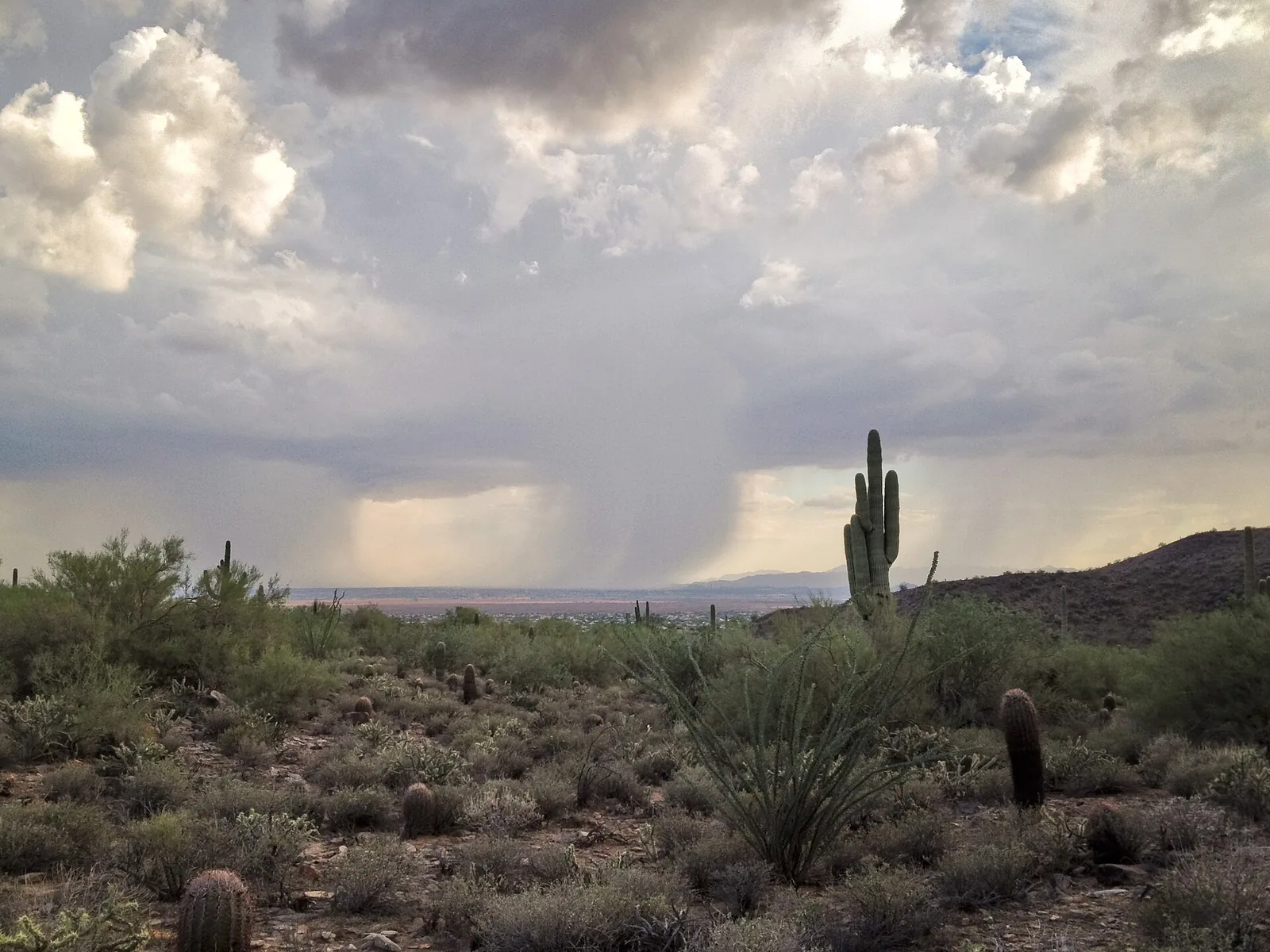
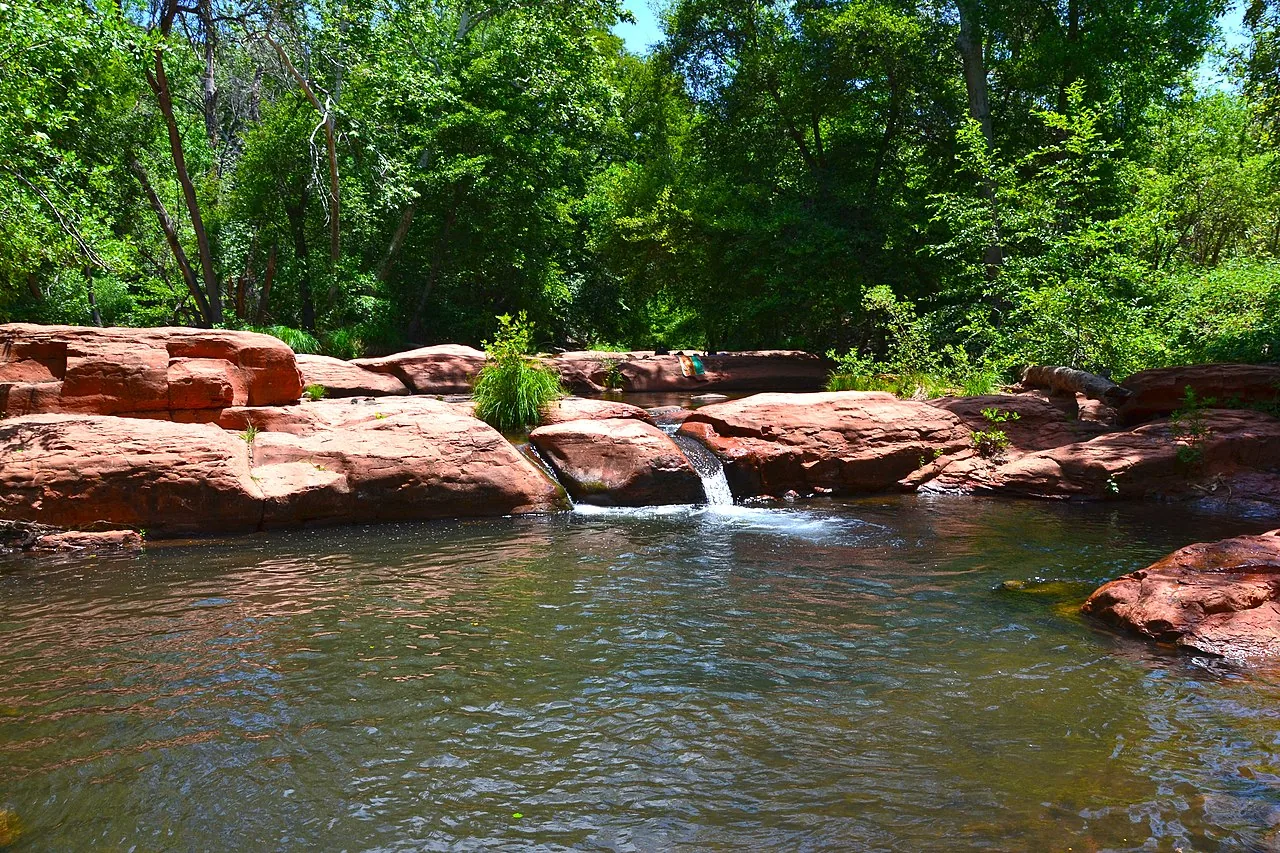
From roughly July into September, Sedona’s afternoons belong to the monsoon, and it changes the math on any creek day. The storms are mostly an afternoon-and-evening pattern, so mornings are usually clear, which is one more reason to reach the water early. But the danger isn’t the rain on top of you. It’s flash flooding. A thunderstorm miles upstream, over ground you can’t even see, can send a fast, muddy surge down a canyon while the sky over the swimming hole stays blue. Oak Creek and Wet Beaver Creek both drain exactly the kind of terrain that does this.
The rules are simple and worth following to the letter: check the National Weather Service Flagstaff forecast every morning in storm season, stay out of the water and the narrow canyons when there are storms anywhere in the forecast, upstream included, and if the creek starts rising or turning brown, get to high ground and don’t wait it out on a rock in the middle. Sites here do close on flash-flood warnings, sometimes with little notice. The Sedona monsoon guide lays out how the storms work and how to read the sky, and it’s worth a look before a summer creek trip.
When the water’s out, you still get your afternoon
Put the two catches together, cold water that runs some people off after an hour and afternoon storms that can close the creek entirely, and you can see why a creek day needs a backup. That’s the honest case for where we come in. When the storm rolls in around three, or the midday heat and the drive to a full parking lot just aren’t worth it, the group heads back to a private indoor court and keeps the day going.
At the house the court is fully enclosed, air-conditioned, and lit, so the afternoon’s weather doesn’t get a vote. A group of up to eight can run a round-robin in comfort while it storms outside, then head back out for the cool evening once it clears. Sedona’s nights drop into the 60s all summer, a different world from Phoenix two hours south. Because the court is indoors, there’s no neighbor or HOA in the loop either, which is the same reason it sidesteps the noise complaints that shut down so many outdoor courts. If you want a fuller list of ways to spend a too-hot or too-stormy afternoon, the indoor things to do guide has more, and the beat-the-heat hub lays out the whole cooler-air picture with the numbers.
Do the creeks in the clear morning, keep the afternoon flexible, and you get the best of a Sedona summer without betting the whole day on the weather. If a home with a private indoor court sounds like the right backup for a creek-and-pickleball trip, check the dates on Airbnb and see what’s open.
Frequently asked questions
What are the best swimming holes near Sedona?
How much does it cost to get into Slide Rock State Park?
What time should we get to Slide Rock or Grasshopper Point?
Is the water cold?
Can we still swim during monsoon season?
Do we need a Red Rock Pass for the swimming holes?
Trade the heat for a cool indoor court
Sedona Pickler is a private West Sedona vacation home with its own indoor, air-conditioned pickleball court — comfortable play at noon in July or after dark in January, while outdoor courts across the valley sit empty. See the whole heat-escape guide.
Check dates & book