Most people get better at pickleball by playing more games. That works, but it’s slow. Games hide your weak shots inside the flow of points, and you only hit a given shot a handful of times before something else happens. Drilling flips that around: you pick one shot and hit it fifty times in a row until it’s fixed. There’s nothing mysterious about it — repetition is just the most honest teacher in the sport.
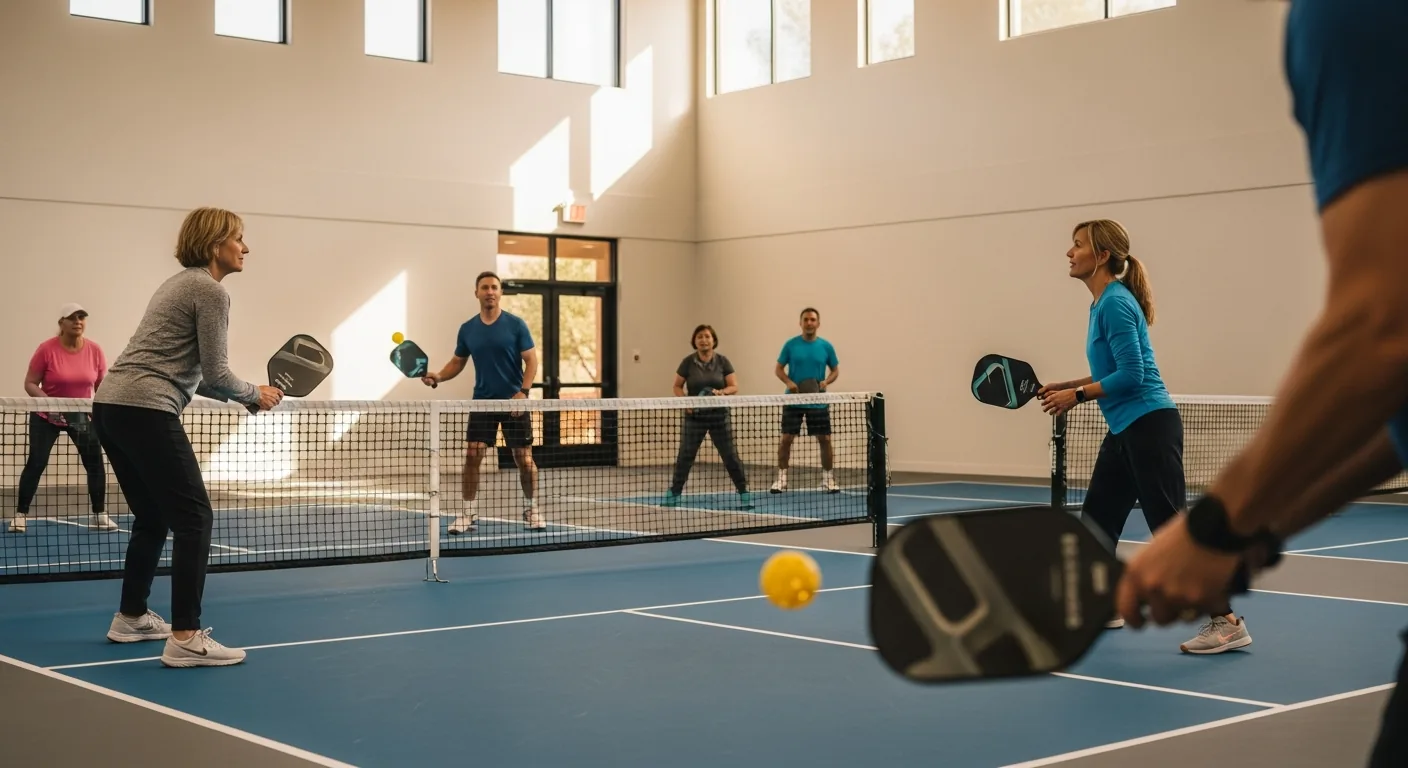
The trouble is that drilling usually means competing for the court. You wait, you rotate off, you get four good reps and then it’s someone else’s turn. The whole rhythm of practice gets chopped up by other people’s schedules. On your own court that problem disappears — you run a focused block and repeat a drill until it clicks, nobody waiting on the fence. That’s the quiet luxury of a place like Sedona Pickler in West Sedona: an indoor, regulation-size court that’s heated, cooled and lit, with paddles and balls on hand, so a rainy or hot afternoon turns into uninterrupted practice instead of a missed one.
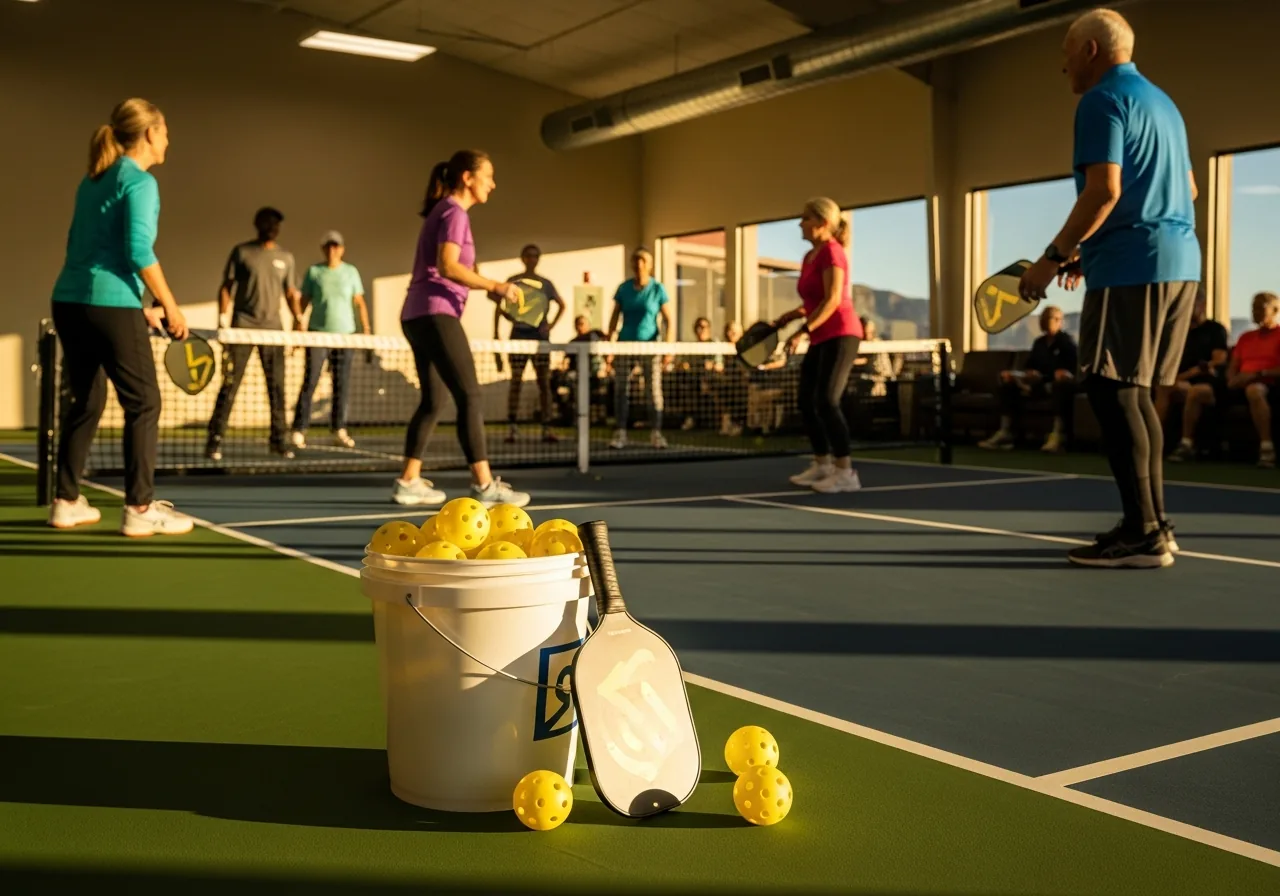
Below are nine drills, organized by how many people you have. New and stronger players can run the same list; you just tighten the targets and pick up the pace as you improve. None of this is reserved for the advanced — a beginner who dinks against a wall for twenty minutes will leave better than they arrived, same as anyone. If you’re brand new to the game, skim our beginner’s guide to rules and scoring first so the terms below land.
A quick word on how to drill before the list. The single biggest mistake is hitting without a target — just trading balls and calling it practice. Don’t. Pick one number and chase it. “Twenty dinks in a row,” “seven of ten serves deep,” “thirty seconds clean on the ladder.” A target is what turns aimless hitting into real improvement, and it’s the one habit that makes everything below work.
Drills for one player
You don’t need a partner. A wall and a little floor space cover a surprising amount, and solo work is where a private court really earns its keep — you can warm up at six in the morning or grind a single shot for an hour with nobody glancing at the clock.
1. Wall dinking and drives
Setup: Stand 7 to 10 feet from a solid wall. With painter’s tape, mark a line at net height (34 inches) and a second line a couple of feet above it.
How to do it: Hit soft dinks that land between the two lines, letting the ball bounce once before each hit. Keep a slow, controlled rhythm — you’re not trying to win, you’re trying to repeat. After a few minutes, step back and hit firmer drives below the top line, out of the air. Count your consecutive hits and beat that number.
Why it helps: The wall never misses, so you get hundreds of touches fast. It builds a soft, stable paddle face for dinking and grooves a compact drive — and it’s the easiest way to warm up before anyone else arrives.
2. Footwork ladder
Setup: An agility ladder on the floor, or just six to eight strips of tape laid out like rungs. No ball needed.
How to do it: Run standard patterns — two feet in each box, lateral shuffles in and out, a quick “in-in-out-out” sequence. Stay on the balls of your feet, knees soft, eyes up. Do 20 to 30 seconds, rest, repeat.
Why it helps: Almost every missed shot is really a footwork problem — you arrived late or off balance. The ladder trains the small, controlled steps you need to set up for a dink or recover after a stretch volley.
3. Serve and return targets
Setup: Put down a couple of targets — a towel or a cone — deep in each service box and near the baseline corners.
How to do it: Serve a basket of balls, aiming deep toward the targets rather than just getting them in. Then practice deep returns into the same back corners. Track how many of ten land in your target zone.
Why it helps: A deep serve and a deep return both buy you time and push your opponents back. Practicing them alone, without the pressure of a live point, lets you groove the depth until it’s automatic.
Drills for two players
Two people across the net is the heart of pickleball practice — this is where the soft game gets built. Most of the points you’ll ever play are decided in these exchanges, so it’s worth spending the bulk of a session here.
4. Cross-court dinking
Setup: Both players at the kitchen line, diagonally across from each other. Dink only into the cross-court half.
How to do it: Trade soft dinks that land in the non-volley zone, letting each bounce. Keep the ball low — just clearing the net — so it can’t be attacked. Cross-court gives you the most margin and the longest court to hit into. Once you can rally 20 in a row, start moving each other side to side.
Why it helps: Cross-court dinking is the most common exchange in doubles. Controlling it patiently, rather than popping the ball up, is what separates intermediate players from beginners. It also lets you practice gentle angles without overhitting.
5. Third-shot drop
Setup: One player (“the dropper”) stands at the baseline. The other stands at the kitchen line and feeds.
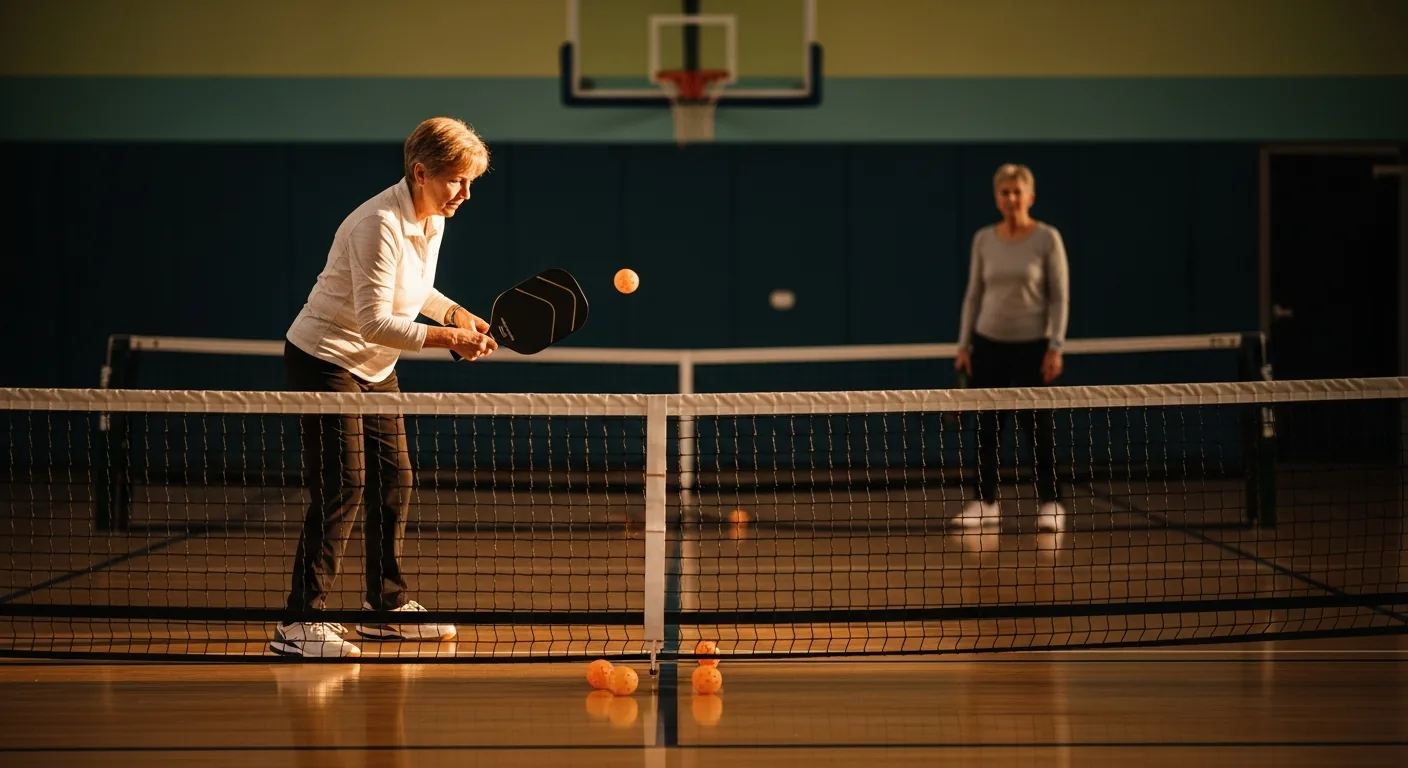
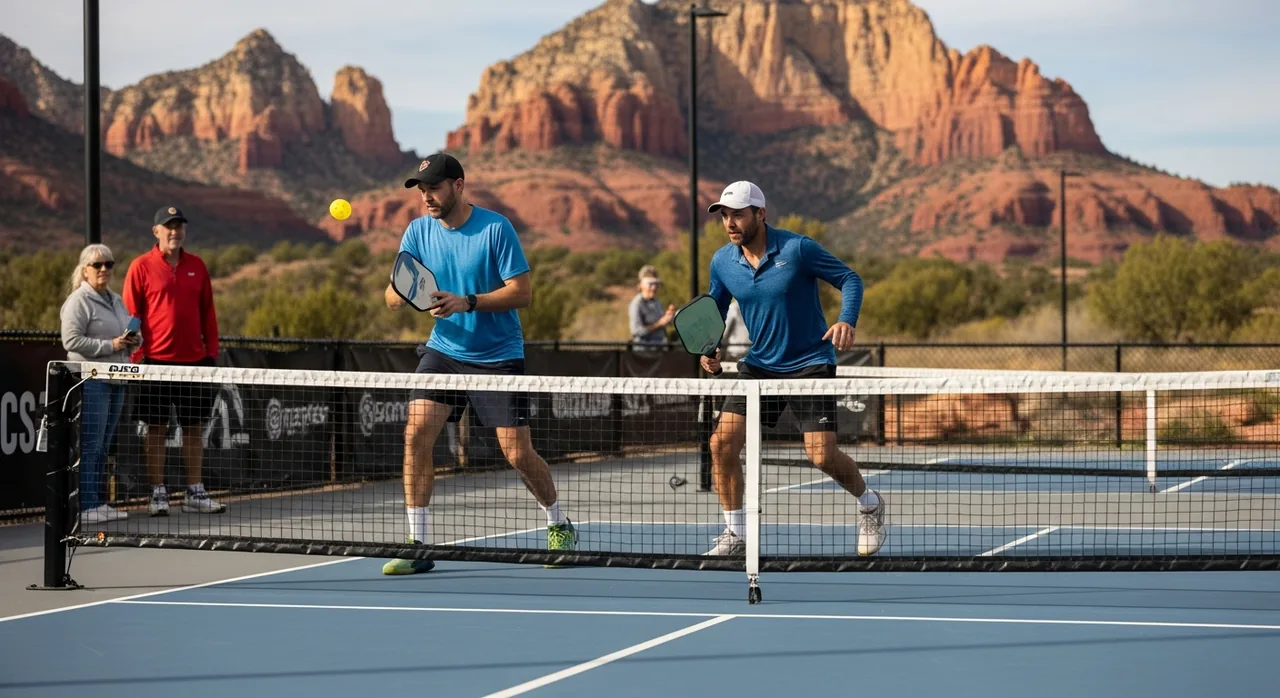
How to do it: The feeder hits a ball to the baseline. The dropper hits a soft, arcing shot that lands low in the kitchen — unattackable — so they can move up to the net behind it, then resets for the next feed. Hit ten, then switch roles.
Why it helps: The third shot drop lets the serving team get to the net, where points are won. It’s also the hardest soft shot to learn, so it deserves the most reps. Lift with your legs, keep the paddle face open, and aim for height, not power.
6. Volley-to-volley (hands battle)
Setup: Both players at the kitchen line, a few feet apart, paddles up.
How to do it: Hit controlled volleys back and forth out of the air — no bounce — starting slow and chest-high. As you get comfortable, speed it up and mix in body shots. Control first, speed second; if it falls apart, slow back down.
Why it helps: Fast hands at the net win the quick exchanges that decide tight points. This builds reaction time and the habit of blocking a hard ball back softly instead of swinging at it.
Drills for three or four players
With a full court you can drill movement and live patterns two people can’t cover. This is also where having the court to yourselves pays off — these drills need room and a few rotations, which is hard to come by when you’re sharing a public court on a busy morning.
7. The reset drill (transition zone)
Setup: Two players at the kitchen line. One or two start back in the transition zone — the no-man’s-land between the baseline and the kitchen.
How to do it: The net players feed firm balls at the transition players, who must “reset” — absorb the pace and drop the ball softly into the kitchen, then take a step or two forward. The goal is to neutralize a hard ball and keep advancing without popping it up. Rotate after a set.
Why it helps: The transition zone is where a lot of points are lost. Softening a fast ball under pressure, instead of blocking it long or high, is one of the most valuable skills in the game — and nearly impossible to practice in casual play.
8. Skinny singles
Setup: Two players, but you only use half the court — either both cross-court halves or both straight-ahead halves. Play real points with normal scoring.
How to do it: Serve and play out points inside the narrow lane. The court is so tight you can’t win with angles or power; you have to be accurate and patient. Switch halves every few points to practice both diagonals.
Why it helps: Skinny singles forces precision and rewards the soft game while keeping the competitive feel of a real match. It exposes loose shots fast. For a fuller group format with four or more, our round-robin guide keeps everyone moving.
9. Dink-and-attack (four players)
Setup: All four at the kitchen line, doubles formation.
How to do it: Start with a cooperative cross-court dink rally — everyone keeps it soft. The catch: any ball that comes up too high may be attacked, and you play the point out live. Reset and start the next rally.
Why it helps: This is the closest drill to a real net exchange. It teaches patience (don’t attack a ball that isn’t there) and trains the instant switch from soft hands to a put-away when the chance appears.
How to put a session together
You don’t need all nine in one day. Pick a few, give yourself 45 minutes to an hour, and build a simple block:
- Warm up (5–10 min): wall dinks and a footwork ladder.
- Soft game (15–20 min): cross-court dinking, then third-shot drops.
- Net play (10 min): volleys, then the reset drill.
- Compete (15 min): skinny singles or dink-and-attack, played for points.
Finish with live games so the reps carry over — drilling fixes a shot, but playing teaches you when to use it. If you want a way to measure whether the work is paying off, a DUPR rating gives you an honest number to track over a season, and you don’t have to read much into it beyond “am I trending up.” That’s the whole point of a court you don’t have to share: you can hit the same shot a hundred times until it stops being a question.
If you’re still sorting out equipment, our notes on choosing a paddle and the glossary of terms are worth a look first.
When you’re ready for a few uninterrupted days of this, you can https://www.airbnb.com/rooms/1650915758723763330 and bring your group. Pick a few drills, chase a number, and put in the reps.
Frequently asked questions
Can I really practice pickleball alone?
Yes, and it’s some of the most efficient practice there is. A wall gives you hundreds of dink and drive touches with no partner, a footwork ladder needs no ball at all, and serve-and-return target work just needs a bucket of balls and something to aim at. Solo blocks are perfect for grooving the soft game and warming up before anyone else arrives.
What's the most important drill for a beginner?
Cross-court dinking and the third-shot drop. Both train the soft game, which wins far more points than power does, and both are easy to start and hard to master — so the reps pay off for a long time. If you only have twenty minutes, dink against a wall or with a partner and keep the ball low.
How long should a drilling session be?
Forty-five minutes to an hour is plenty for most people. Quality of reps beats quantity — a focused block with clear targets does more than two distracted hours. Warm up, spend the bulk of your time on the soft game, add some net play, then finish with a few minutes of live points.
Do I need to bring my own paddles and balls to Sedona Pickler?
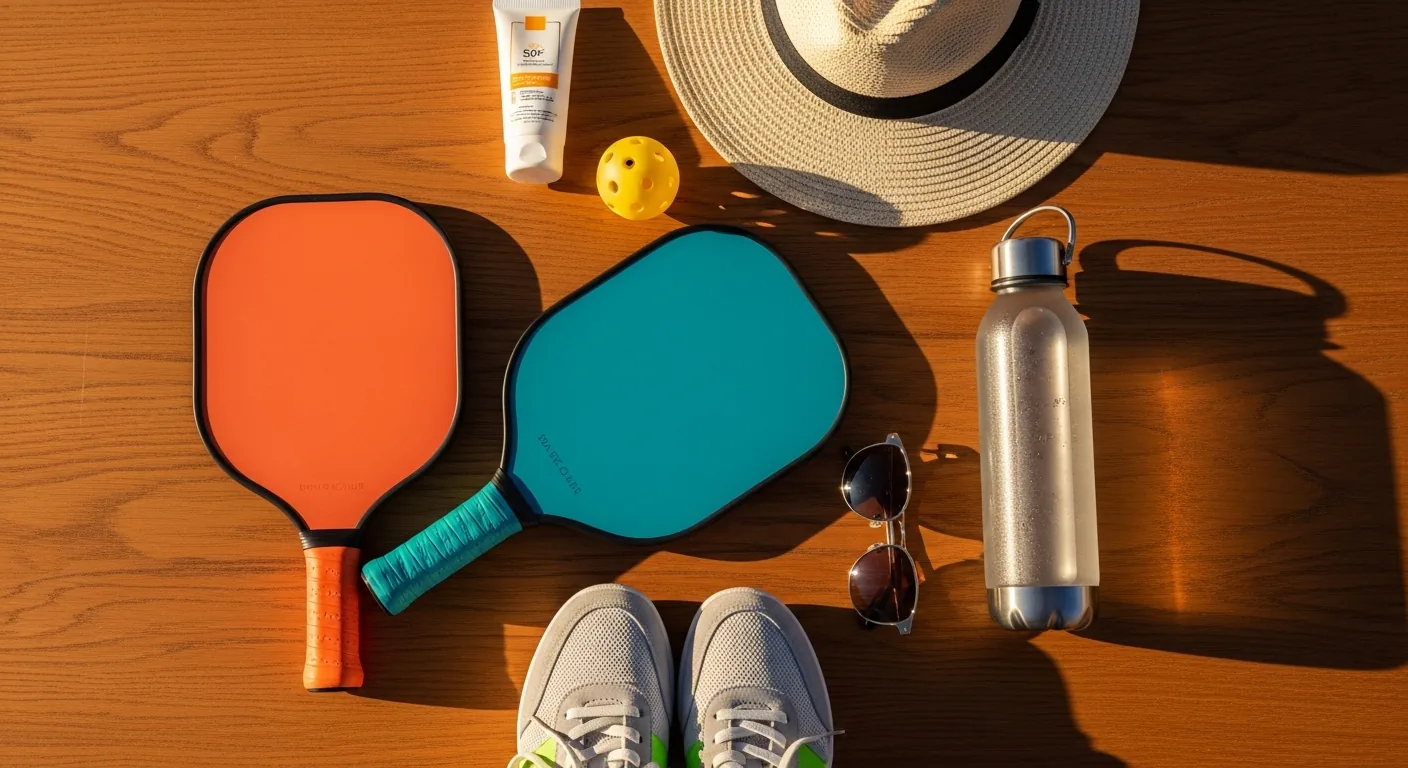
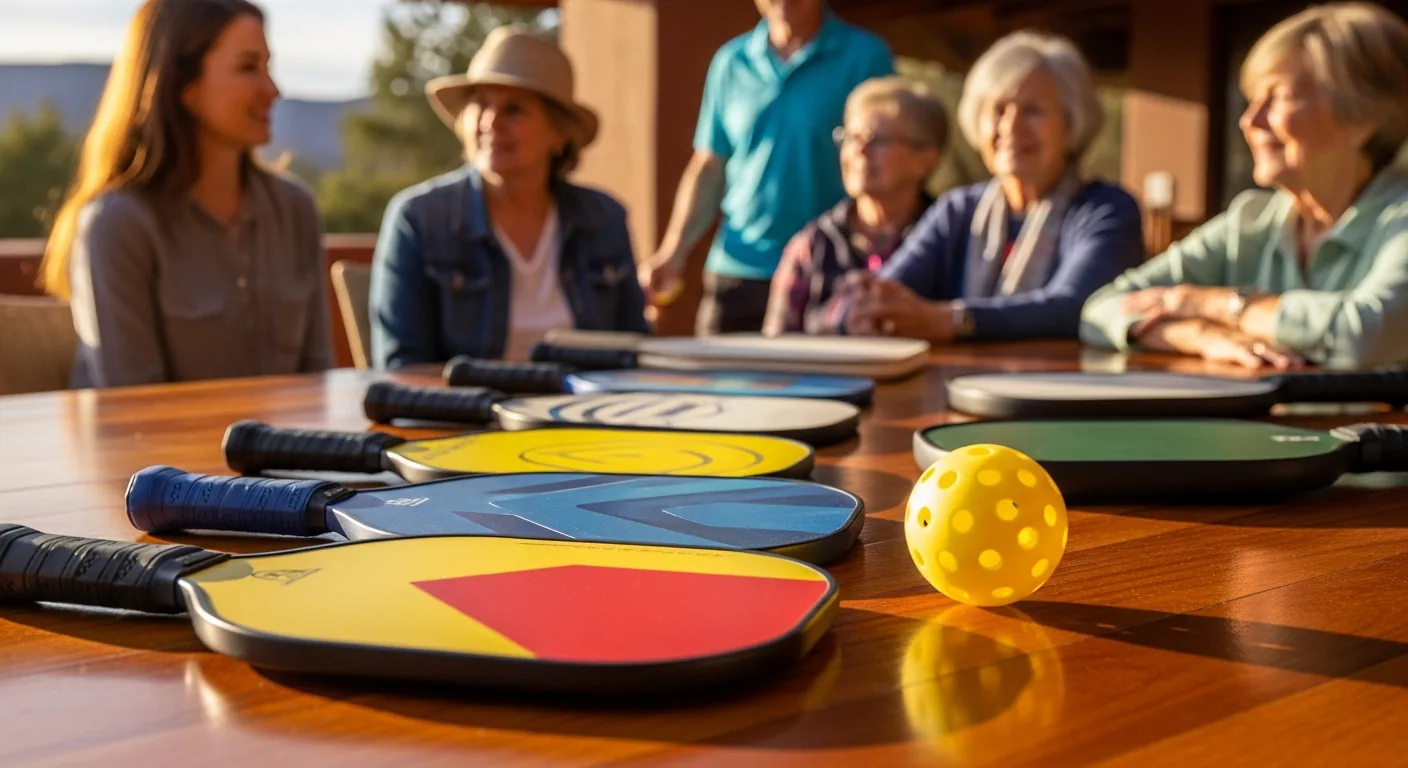
No. The court comes with paddles and balls, so you can drill the day you arrive without packing gear. Bring court shoes and your own paddle if you have a favorite, but everything you need to run the drills above is already on site.
Play year-round in red rock country
Sedona Pickler is a private Sedona home with its own indoor, climate-controlled pickleball court. Rally any season, any hour — heated, cooled and lit, with paddles and balls provided.
Check availability on Airbnb