Boynton Canyon Trail & the Hidden Subway Cave
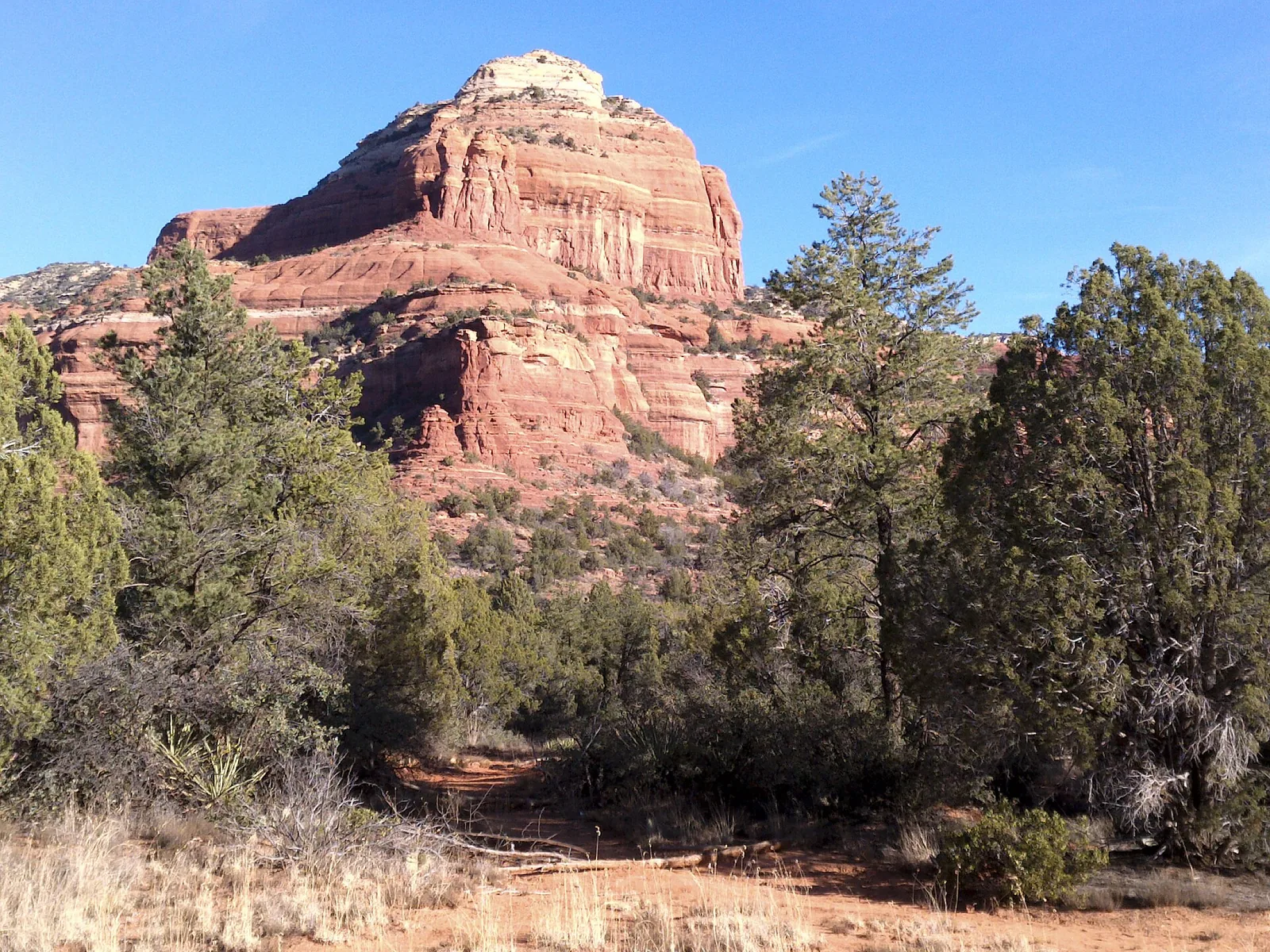
Boynton Canyon is one of those Sedona hikes that gives you a little of everything: a famous vortex and a striking rock spire near the start, a long walk into a quiet box canyon flanked by red-and-white cliffs, and a hidden cave that has become one of the most photographed spots in the whole region. It’s also right next to a resort, which means the first mile feels surprisingly civilized before the canyon swallows you up. Honest heads-up: it’s popular, the parking fills fast, and the “secret” cave isn’t secret anymore — but it’s still a genuinely good day out if you plan around the crowds.
What it is and why you’d go
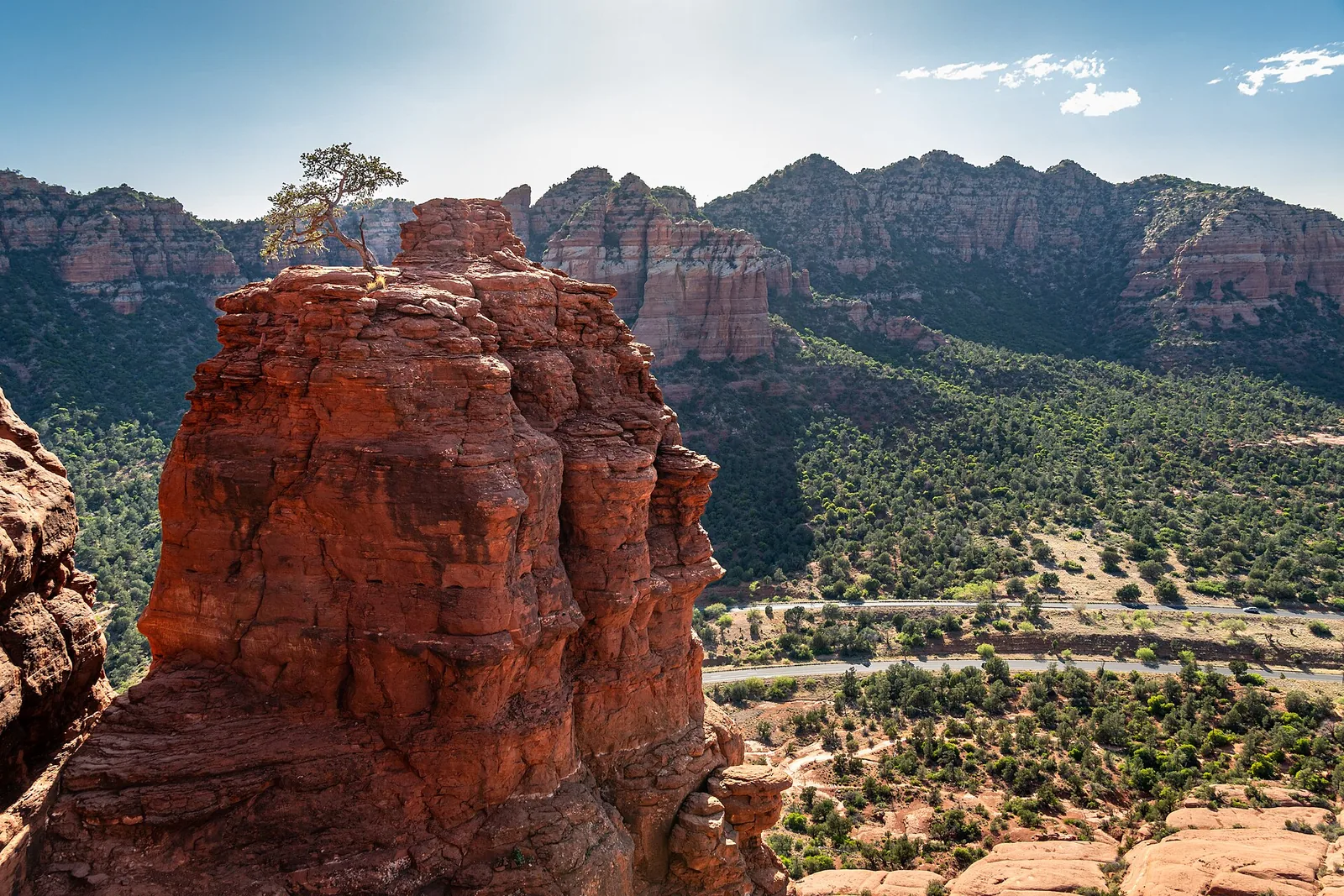
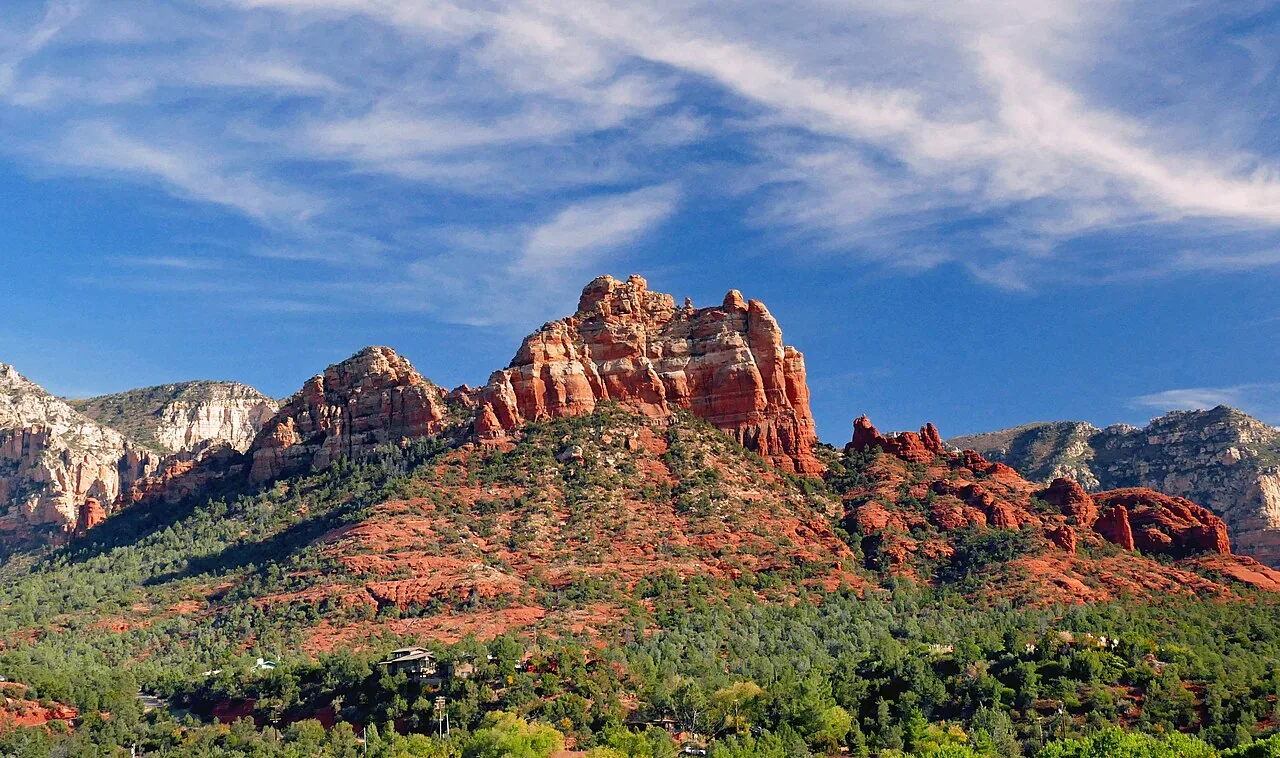
Boynton Canyon Trail (officially Trail No. 47 in the Coconino National Forest) is a roughly 6-mile out-and-back that walks you straight into a classic Sedona box canyon inside the Red Rock Secret Mountain Wilderness. A box canyon means exactly what it sounds like — three walls of rock with no easy way through, so the trail eventually dead-ends and you turn around the way you came. Along the way you get the layered red sandstone Sedona is known for, paler cream-colored rock stacked on top, real shade once you’re deep in, and the kind of high cliff walls that make you feel small in a good way.
Three things draw most people here:
- The Boynton Canyon vortex and Kachina Woman, a tall rock spire near the trailhead that’s one of Sedona’s well-known energy sites.
- The Subway Cave, a curved, tunnel-like alcove with old Sinagua dwellings tucked nearby, reached by an unmarked side scramble.
- The canyon itself, which is a lovely, mostly shaded forest walk that a lot of people skip because they turn around at the cave.
You can do all three in one outing, or pick and choose depending on your energy and the time of day. If you’ve got people in your group with very different fitness levels, this trail splits up nicely — some can do the short vortex spur while others push deeper.
Getting there, parking, and the pass you need
The trailhead sits at the end of Boynton Canyon Road in West Sedona. From Highway 89A, turn north onto Dry Creek Road, which becomes Boynton Pass Road. Keep left at the fork, then turn right onto Boynton Canyon Road and follow it to the parking lot on your right. It’s a normal paved road the whole way — no high-clearance vehicle or rough dirt-road drama like you get heading to some other Sedona trailheads. The drive from most of West Sedona is only about 15-20 minutes.
One thing worth knowing before you build a plan around the bus: Boynton Canyon is not on Sedona’s free trailhead shuttle. The seasonal Sedona Shuttle serves Cathedral Rock, Dry Creek Vista, Little Horse, Mescal, and Soldier Pass — not Boynton — so unlike those trails, here you really do have to drive yourself and find a spot in the lot. That makes the parking situation below the single most important thing to get right.
The Red Rock Pass
You need to display a pass on your parked car here. Your options:
- Red Rock Pass — $5 per day, $15 per week, or $20 for an annual pass. You can buy the daily or weekly version at the kiosk machine right at the trailhead (credit card), and all three at the Red Rock Visitor Center, the Sedona Chamber of Commerce, or various shops and gas stations around town. Note the visitor center and many vendors sell daily and weekly only, not the annual.
- America the Beautiful Pass — the national interagency pass also covers you here. If you already own one for the parks, you don’t need a separate Red Rock Pass. Same goes for the Coconino Recreation Pass.
Prices and exactly what each pass covers do change, so confirm the current rate before you go. The kiosk takes cards, but cell signal out here can be spotty, so don’t count on buying online from the parking lot. Whatever pass you use, display it on the dashboard where it’s visible — the area is patrolled and tickets do get written.
Parking reality
This is the honest weak spot. The lot isn’t huge, and it serves both the vortex crowd and the cave crowd, so it fills early — often by 8 or 9 a.m. on a nice weekend, and sometimes sooner in peak spring and fall. When it’s full, people park along the shoulder of Boynton Canyon Road, which is legal only in marked pull-outs; parking on the pavement, blocking gates, or stopping where there’s no shoulder gets you towed or ticketed. Shoulder parking also adds a road walk to your day and can get genuinely chaotic midday.
A few practical notes:
- If you’re staying at Enchantment Resort, you have your own gated back-of-property access to the trail and don’t need the public lot at all.
- If the lot is full when you arrive, it’s usually faster to come back at the end of the day than to circle — spots free up steadily after about 2 p.m. as morning hikers leave.
- There are vault toilets at the trailhead but no water, no trash service, and no food, so come prepared and pack out what you bring in.
The real fix for all of this is simple: get there early. More on timing below.
Difficulty and what to expect
The Forest Service and most guides rate this as moderate, and that’s fair. The trail is well-worn and easy to follow, and the first couple of miles are nearly flat as they roll gently up the canyon floor. You don’t hit real climbing until the very end, where it pitches up and gets rockier as you approach the box canyon’s back wall.
Here’s how the pieces stack up:
| Segment | Approx. distance (one way) | What it’s like |
|---|---|---|
| Trailhead to Boynton Vista spur (vortex/Kachina Woman) | ~0.5 mi to the spur, then a short steep climb | Easy start; the spur to the saddle is brief but steep |
| Trailhead to Subway Cave spur | ~2 mi | Mostly flat, easy walking alongside the resort then into forest |
| Subway Cave spur itself | ~0.4 mi plus a scramble | Short but ends in a rock scramble up to the cave |
| Trailhead to box-canyon end | ~3 mi | Gentle until a steeper, rockier final stretch |
Full round trip to the canyon’s end runs about 6.1-6.6 miles depending on the source and where exactly you stop, with roughly 800 feet of elevation gain. Add the Subway Cave and the optional vortex spur and you’re looking at closer to 7.5 miles and around 1,250 feet of gain for the day, since the cave detour alone adds nearly a mile and the spur tacks on a short steep pitch. Most people in reasonable shape finish the whole thing in 3-4 hours including stops. If you only go to the cave and back, figure 2-3 hours; the vortex spur on its own is closer to an hour.
A note on the first mile: it runs right alongside the fence line and grounds of Enchantment Resort. It’s a little odd to start a wilderness hike next to manicured casitas and a tennis court, but it doesn’t last long — once you’re past the resort, the canyon takes over and it feels wild again.
For navigation, the trail is straightforward in concept but easy to wander on in two spots: the early stretch near the resort has a couple of unmarked use-paths that loop back toward the fence, and the upper canyon has faint braids where people have cut corners. Stay on the most obvious, most-worn line and you’ll be fine. The trail is single-track for most of its length, so when you meet hikers coming the other way, the uphill walker traditionally yields — though on a flat trail like this it’s mostly about being friendly and stepping aside.
The vortex and Kachina Woman
About half a mile in, a signed spur (the Boynton Vista / Boynton Canyon Vista Trail) branches off to the right and climbs a short, steep stretch up to a saddle between two knolls. This is the Boynton Canyon vortex, one of Sedona’s four best-known energy sites, and from the saddle you get a clear look at Kachina Woman — a tall, slender rock spire that the Hopi associate with a protective figure. You don’t have to believe in vortexes to enjoy it; the view alone is worth the ten-minute detour, and the spire is genuinely photogenic in morning light.
Out-and-back to the vortex is only about 1.2 miles total, so if someone in your group wants a short, rewarding walk while others go deeper, this is the place to split. The climb to the saddle is brief but gains elevation quickly over loose rock, so take it slow on the way down — most twisted ankles on this hike happen on that short descent, not on the long flat part.
If you’re curious about the energy-site side of Boynton, it’s one of the stops on most local vortex itineraries, and it pairs well with the others if that’s the reason you came to Sedona in the first place.
Local tip: The vortex saddle is small and gets crowded by mid-morning, with a flute or guitar player often set up there. If you want it quiet, do this spur first thing at sunrise, then continue up the main canyon afterward — most cave-bound hikers blow right past it.
Finding the Subway Cave (the unmarked part)
The Subway Cave is the reason a lot of people come, and it’s the trickiest part to find because there’s no sign. The Forest Service doesn’t mark or maintain the spur, partly to protect the cultural sites near it.
Here’s how to find it:
- Hike the main Boynton Canyon Trail to roughly the 2-mile mark (about 2.5 miles in if you took the vortex spur first). By here you’re well past the resort and into the forested canyon.
- Watch for a large alligator juniper on the left side of the trail — it’s named for its chunky, cracked bark that looks like alligator skin, and it stands out because the brush around it is mostly low and scrubby. There’s often a low branch reaching across the trail right about here.
- The unofficial spur takes off to the right, more or less across from that tree, just as the main trail begins to curve left. People sometimes lay sticks across the entrance to discourage traffic, so it can look “closed” — it isn’t a maintained trail, but it’s the right turn.
- Follow the spur about 0.4 miles as it climbs toward the cliff base. The last bit requires a scramble up a slanted sandstone ramp — it looks a bit like a giant playground slide. You can usually find a slightly easier line around to the left.
Up top you’ll find the curved, tunnel-shaped alcove (that’s the “subway” part) and, nearby, the remains of cliff dwellings built by the Sinagua people, who lived in the Red Rock country roughly between AD 1150 and 1350 and are ancestors of today’s Hopi. These ruins are fragile and protected — look, photograph, but don’t touch, climb on, or remove anything. People genuinely damage these sites, and it’s both illegal and a loss for everyone who comes after.
A word on what “the cave” actually is, because photos oversell it: the Subway is a shallow, curved alcove worn into the cliff, not a deep cavern, and the famous shots are taken from inside looking out through the arched opening. It’s genuinely cool and worth the scramble if you’re comfortable on rock, but set expectations — you’re there for the frame and the old dwellings, not for exploring tunnels. There’s room for only a handful of people at a time, which is part of why a midday line forms.
If the scramble isn’t your thing, that’s okay — skip the cave and keep walking up the main canyon. The back of Boynton Canyon is peaceful, well shaded, and far less trafficked, and there’s a decent viewpoint near the end where the walls close in. Plenty of people who turn around at the cave never see the prettiest, quietest part of the hike.
Best time of day and season
Time of day matters more than almost anything else here, mostly because of parking and crowds:
- Early morning (sunrise to ~8 a.m.): Best by a mile. Easy parking, cool temperatures, soft light on the rocks, and you’ll have the vortex and cave to yourself or close to it.
- Midday: The lot is full, the cave has a line for the scramble, and in summer the open first mile bakes. Avoid if you can.
- Late afternoon: A reasonable second choice — crowds thin as people leave, and the deeper canyon holds shade. Just give yourself plenty of daylight to get back; the canyon goes dim well before the open desert does, and there’s no lighting.
Season:
- Spring (March-May) and fall (October-November) are ideal — mild temperatures and comfortable hiking all day. They’re also the busiest, so the early-start advice matters most then.
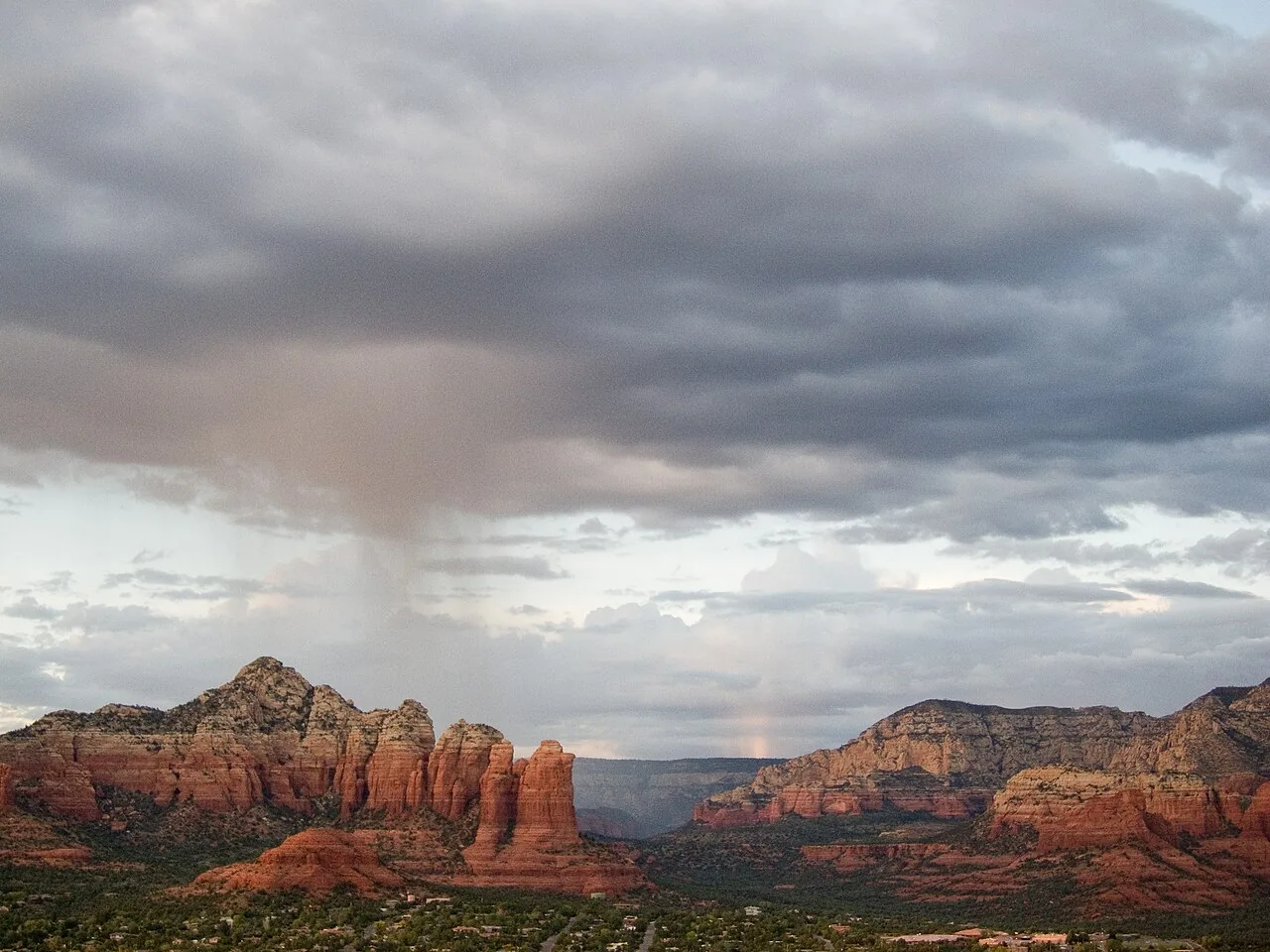
- Summer (June-August) is hot, often into the 90s or low 100s. The deeper canyon is shaded, but the first mile and the cave scramble are exposed. Go at dawn, carry extra water, and watch for afternoon monsoon storms in July and August — flash flooding and lightning are real risks in a canyon.
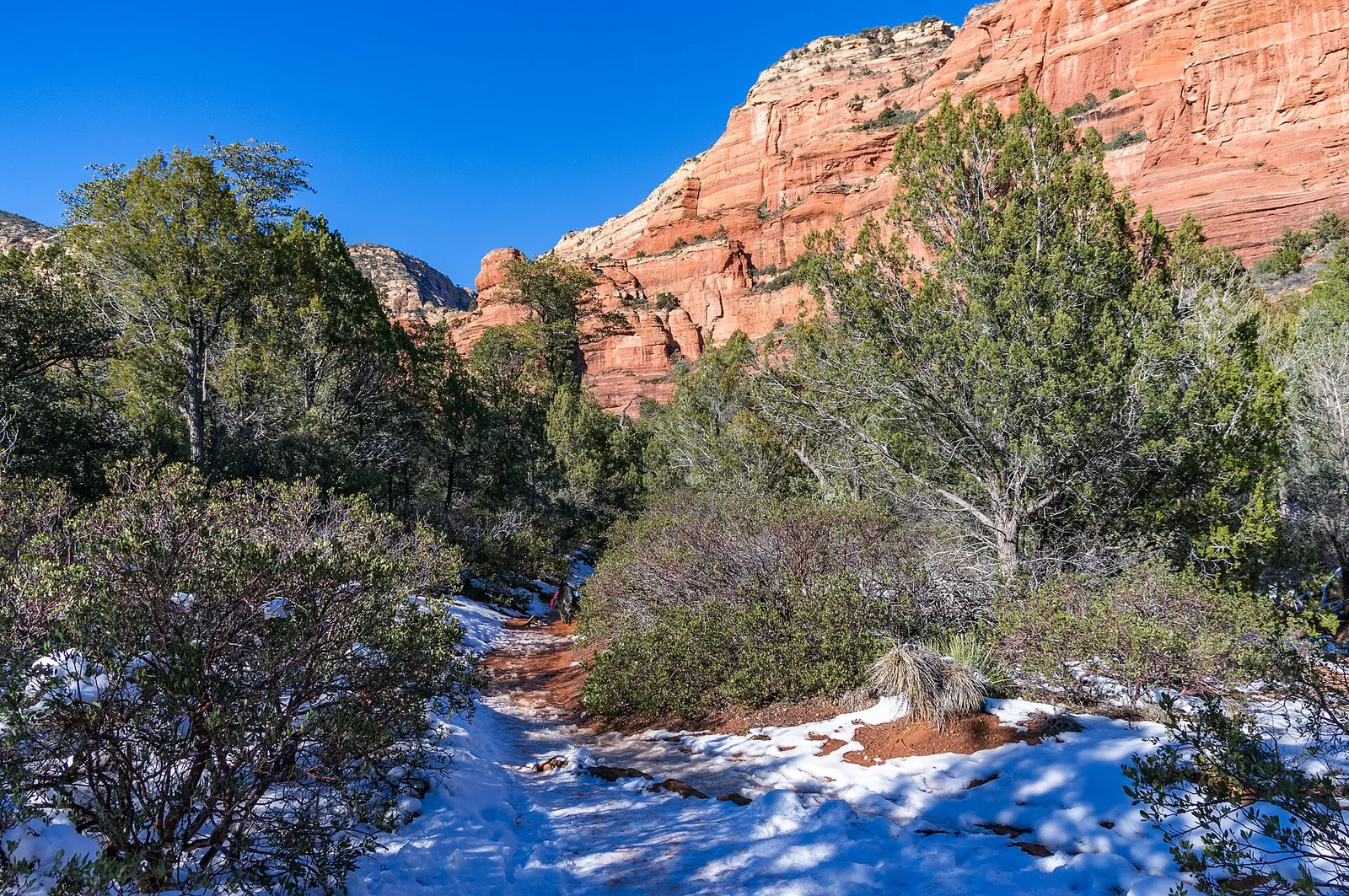
- Winter (December-February) is quiet and pleasant on sunny days, though shaded stretches stay cold and can hold ice or snow for days after a storm, especially on the steeper sections near the cave and the back wall. Layers and a pair of slip-on traction spikes make a big difference.
A small but real seasonal bonus: in late October and November the canyon’s bigtooth maples and oaks turn, and Boynton gets pockets of fall color you don’t see on Sedona’s more open trails. It’s worth timing a visit for if you’re in town then.
What to bring
Nothing exotic, but don’t underestimate it:
- Water — at least 2 liters per person, more in summer. There’s no water on the trail or at the trailhead.
- Sun protection — hat, sunglasses, sunscreen. The open sections and the cave area get strong sun.
- Real shoes — trail runners or hiking shoes with grip. The cave scramble is slick sandstone, and flip-flops are a bad idea.
- A snack or light lunch — the canyon-end or cave makes a nice turnaround spot to refuel.
- A map or offline trail app — the cave spur is unmarked, and signal is unreliable. Download the route before you leave town.
- Layers in cooler months, since the shaded canyon runs colder than the parking lot.
- A small trash bag — there’s no garbage service at the trailhead, so whatever you carry in comes back out with you.
Accessibility and who it suits
This isn’t a wheelchair-accessible or stroller-friendly trail — it’s a natural dirt-and-rock path through wilderness. That said, the first mile or so is gentle and flat, so people who want an easy stroll alongside the resort and into the canyon mouth can turn around whenever they like and still get a good taste of the scenery without committing to the full distance or any scrambling. There are a few benches and shaded spots in that first stretch that make decent rest or turnaround points.
The vortex spur is short but has a genuinely steep pitch up to the saddle, so it’s not for everyone despite the modest distance. The Subway Cave requires a scramble and some sure footing — fine for active kids with supervision, not great for anyone uneasy on uneven rock, carrying a baby, or hiking with a dog that can’t manage a steep slab.
Dogs are welcome on leash. Keep them leashed for their own safety, too: this canyon has black bears, mountain lions, and javelina, and an off-leash dog can get into real trouble fast. There’s no shade or water for them on the exposed first mile, so dogs do best here on cool mornings, not summer afternoons.
If you want something genuinely flat and easy in the same part of town, see our roundup of easy Sedona hikes — several of them deliver big red-rock views with a fraction of the effort.
How to avoid the crowds
This is a busy trail, so a little strategy goes a long way:
- Start early. A pre-8 a.m. arrival solves parking and most of the crowding in one move, and it’s the single highest-value thing you can do.
- Go on a weekday if your schedule allows. Weekends and holidays are the worst, and spring and fall weekends are the worst of all.
- Walk past the cave. Most foot traffic clusters at the Subway Cave spur and turns around there. The upper canyon beyond it is noticeably quieter.
- Do the vortex at the very start or very end of the day, not mid-morning when the saddle is packed.
- Avoid midday in summer entirely — it’s hot, crowded, and the parking shoulder turns into a mess.
Safety
A few things worth taking seriously:
- Heat is the number-one hazard. People underestimate Sedona summers. Hydrate, start early, and turn back if you’re flagging. There’s no quick bail-out point deep in the canyon — getting back means walking the whole way you came.
- The cave scramble is on smooth sandstone that’s slick when dusty or wet. Take your time, use handholds, and don’t push past your comfort level — there’s no shame in skipping it. Going down is harder and more intimidating than going up, so think about that before you commit to climbing it.
- Monsoon season (roughly July through September) brings sudden afternoon storms. A box canyon is exactly where you don’t want to be in a downpour. Check the forecast and clear out if storms build; flash floods come fast and lightning on exposed rock is no joke.
- Wildlife. Bears, mountain lions, and javelina live here. Don’t leave food out, keep dogs leashed, and give any animal a wide berth.
- The unmarked spur is easy to lose. If you can’t find the alligator juniper, don’t bushwhack — just enjoy the main trail. Going off-trail tramples fragile vegetation and is how people get lost or hurt out here.
What to pair it with nearby
Boynton Canyon sits in the Dry Creek area, which is loaded with other good trailheads and a couple of remarkable cultural sites, so it’s easy to build a half- or full-day around it.
- Fay Canyon is just down the road and is one of the easiest, shadiest short hikes in Sedona — a great low-effort follow-up if your legs still have something left.
- Soldier Pass is close by and famous for the Seven Sacred Pools and the Soldier Pass Cave, another scramble-to-an-alcove that pairs naturally with Boynton. Handy bonus: Soldier Pass is on the free Sedona Shuttle, so on a day its lot is full you have a backup that Boynton doesn’t.
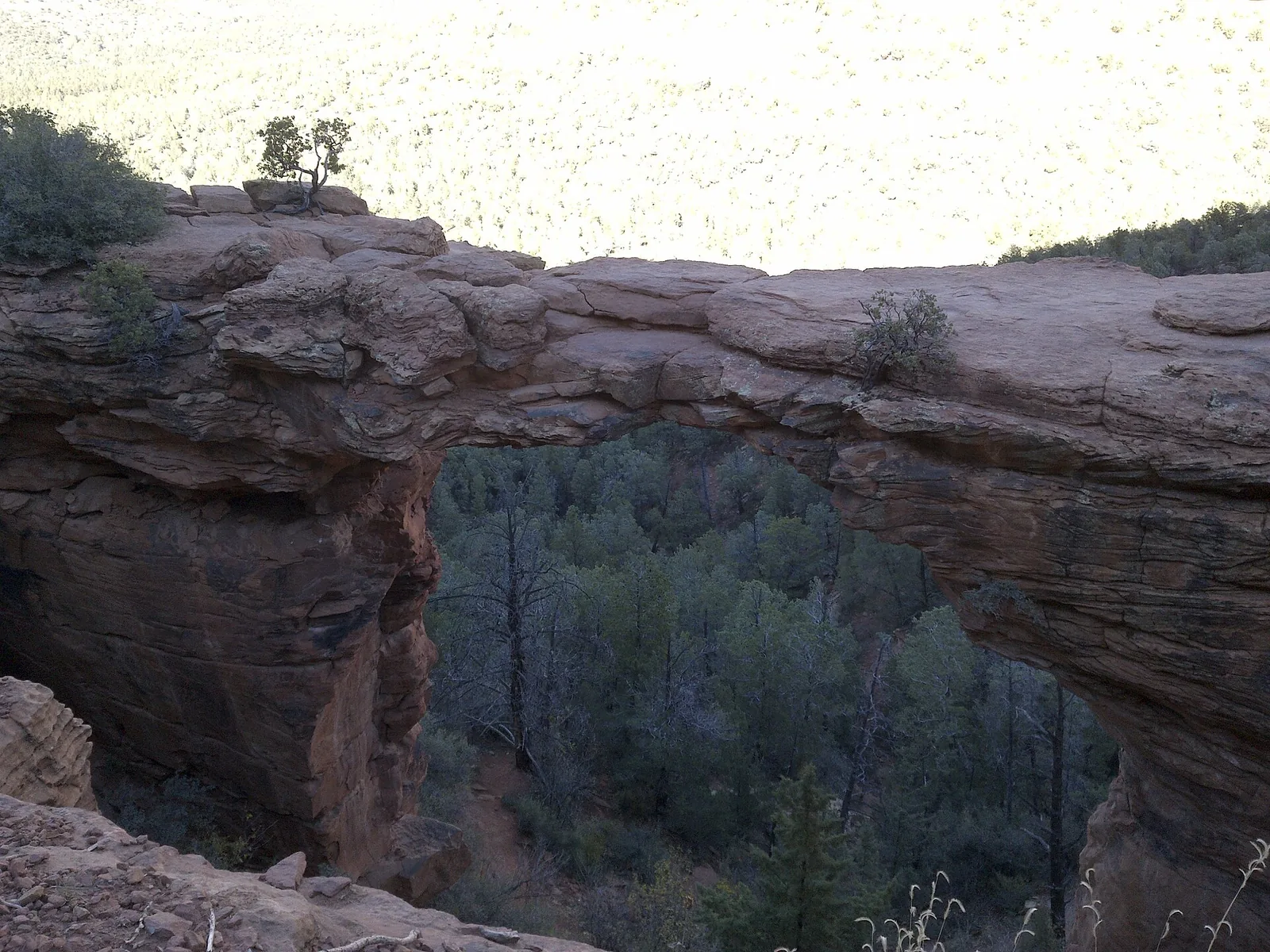
- For a contrast in scenery, Devil’s Bridge — Sedona’s iconic natural arch — is in the same Dry Creek cluster, though it’s even more crowded, so hit it early.
- If you want the famous viewpoints without much walking, the Airport Mesa loop is a short drive away and great near sunset.
- If the Subway Cave’s ancient dwellings sparked your interest, the nearby Palatki and Honanki heritage sites off Boynton Pass Road hold far larger Sinagua cliff dwellings and rock art. Honanki is first-come and open daytime hours; Palatki requires an advance reservation and a guided tour, so book ahead.
After a morning on the trail, the canyon area is also a short drive from West Sedona’s restaurants and cafes, so it’s easy to clean up and grab lunch — see our picks for breakfast and brunch if you’re starting the day there. And if you’d rather skip the afternoon heat and crowds altogether, this is a natural day to head back, cool off, and get a few rallies in on the indoor court at the house before dinner. However you structure it, Boynton rewards an early start more than almost any hike in town — beat the lot, take your time in the canyon, and you’ll see why it stays near the top of every Sedona list.
Frequently asked questions
How do you find the Subway Cave on Boynton Canyon Trail?
Do I need a pass to park at the Boynton Canyon trailhead?
How hard is the Boynton Canyon Trail?
Can I bring my dog?
When is the best time to hike Boynton Canyon?
What is the Boynton Canyon vortex?
Stay where you can rally any season
Sedona Pickler is a private West Sedona vacation home with its own indoor, climate-controlled pickleball court — a short drive from the trailheads, viewpoints and restaurants in this Sedona guide. Play at sunrise or after dark, in any weather.
Check availability on Airbnb