Soldier Pass Trail: Seven Sacred Pools, Devil's Kitchen & the Cave
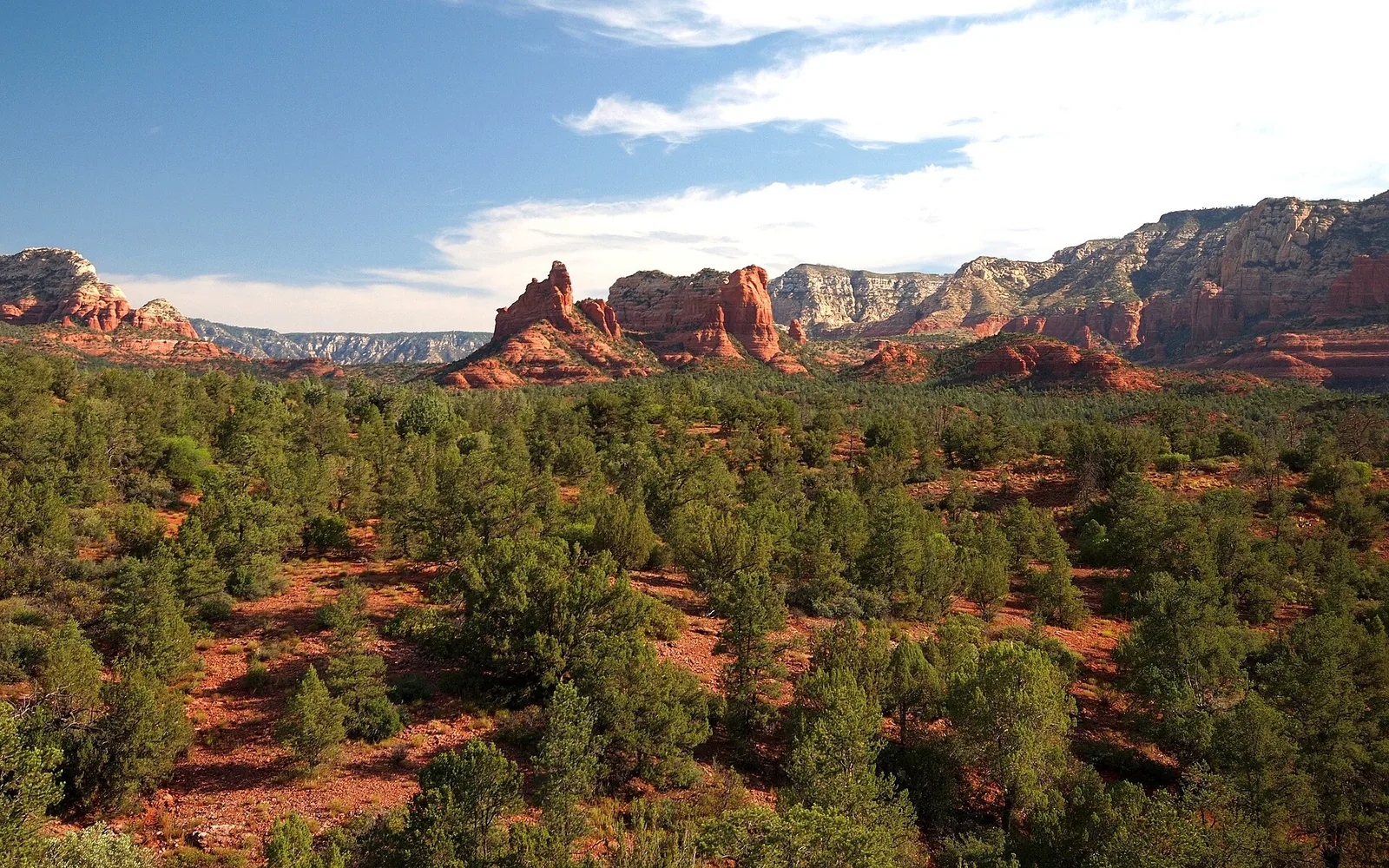
Soldier Pass is one of those Sedona hikes that packs an absurd amount of scenery into a short, mostly-easy walk: a gaping sinkhole, a string of stone pools, and a cave tucked into a cliff that you have to scramble to reach. It’s close to town, the grade is forgiving, and the payoffs come fast — which is exactly why it gets busy and why the trailhead lot is tiny and gated. Plan around the parking and you’ve got one of the best half-days in the red rocks.
What it is and why you’d go
Soldier Pass Trail (officially Trail No. 66 in the Coconino National Forest) runs through the Red Rock–Secret Mountain Wilderness on the northwest edge of Sedona. The full network — out to the cave and back, with the connector options — is roughly 4 to 4.5 miles round trip with around 600 to 800 feet of elevation gain, and it’s rated moderate. The exact numbers you’ll see vary by source and by which spurs you tack on; that range covers the honest middle. Most of that mileage is gentle. The “moderate” label comes almost entirely from one short, steep, rocky spur at the end.
What makes this trail worth your time is that the three big attractions are stacked close together:
- Devil’s Kitchen — the largest active sinkhole in the Sedona area, a short walk from the trailhead.
- The Seven Sacred Pools — a series of natural rock basins that hold water after rain, just past Devil’s Kitchen.
- Soldier Pass Cave (and the arches) — a wide, photogenic cavern up a steep spur, reached by a short scramble.
You can do all three in two to four hours depending on your pace, how long you linger, and how long the line is at the cave. If you only have time for a quick leg-stretcher, the walk to Devil’s Kitchen and the pools is nearly flat and very doable. If you want the full experience, commit to the cave.
A quick note on names: a lot of people call it “Soldiers Pass.” The Forest Service spelling is Soldier Pass (no S), and you’ll see both online. They’re the same place.
How to get there, parking, and the shuttle
This is the part that trips people up, so read it carefully before you go.
The Soldier Pass trailhead sits at the end of a Forest Service road in a quiet residential neighborhood off Soldier Pass Road, northwest of uptown Sedona. The gravel lot is tiny — around 14 spaces — and it’s gated, opening roughly 8 a.m. to 6 p.m. Those two facts (small and gated) are the whole story here. On a normal morning the lot can fill before 8:30, and once it’s full, it’s full.
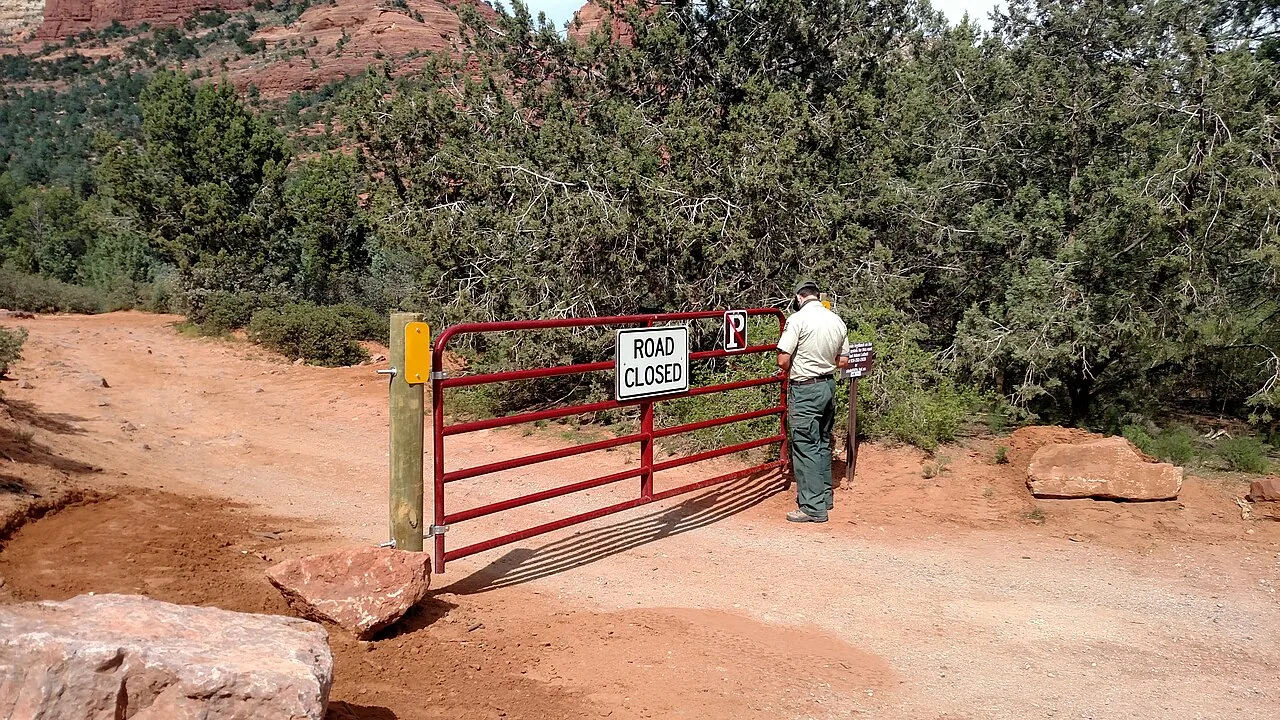
Here’s the wrinkle that catches first-timers: when the free Sedona Shuttle is running, the trailhead lot is closed to private cars entirely. The shuttle program is the city’s answer to the parking crush at Sedona’s most-loved trailheads, and Soldier Pass is one of them. So your access depends on whether the shuttle is operating that day.
The free Sedona Shuttle (your best bet)
The Sedona Shuttle runs free trailhead routes from park-and-ride lots out to several popular trailheads, including Soldier Pass (Route 14). When it’s in service, the trailhead routes typically run Thursday through Sunday, roughly 7 a.m. to 5:30 p.m., with expanded seven-day service during spring break and some holiday periods (in 2026, for example, the shuttle ran seven days a week from late February through late April). There’s no fare and no Red Rock Pass needed when you ride.
The main boarding spot is the Posse Grounds Park and Ride at 20 Carruth Drive in West Sedona (from SR-89A, take Soldier Pass Road to Carruth Drive). Park there for free, hop on, and you’re dropped right at the trailhead. When running, departures from Posse Grounds leave roughly every 50 minutes through the morning, and the last pickup back from the trailhead is in the late afternoon — plan your return around it.
Local tip: The shuttle’s schedule and which routes are active genuinely change season to season — the Soldier Pass route (Route 14) has been paused outright at times for staffing and summer heat, and it was not operating in spring 2026. Don’t assume. Check the current status at sedonashuttle.com (or the City of Sedona’s site), or call them, the day before you go, so you know whether you’re driving to the lot or to the park-and-ride. There’s also a live shuttle tracker online that shows where the buses are in real time.
Driving to the lot (when the shuttle isn’t running)
On days the shuttle is not in service — often Monday through Wednesday in some seasons, and stretches when Route 14 is suspended entirely — you can drive to the trailhead lot during gate hours (about 8 a.m. to 6 p.m.). If you do:
- You need a Red Rock Pass to park at the trailhead. As of this writing it runs $5/day, $15/week, or $20/year. An America the Beautiful interagency pass (about $80/year, valid a full year from the month of purchase) works in place of it and is worth it if you’re hitting other federal sites. Prices and the program can change, so confirm before you rely on a number.
- Buy the pass before you arrive if you can. There’s a fee kiosk, but you don’t want to be sorting out payment while the clock ticks on the last open space. You can pick up a Red Rock Pass at many shops and visitor centers around West Sedona, the Village of Oak Creek, and uptown.
- Get there at or before 8 a.m. Seriously. The lot is small enough that “a little late” means “no spot.”
- Don’t park in the neighborhood. The surrounding streets are residential, signed, and enforced. Blocking driveways or parking where you shouldn’t gets you ticketed or towed, and it’s the fastest way to get a beloved trail’s access restricted further.
Quick comparison
| Option | Cost | Days/Hours (verify current) | Best for |
|---|---|---|---|
| Free Sedona Shuttle (Route 14) | Free | Typically Thu–Sun, ~7am–5:30pm; 7 days in peak periods; sometimes suspended | Almost everyone — skips the parking lottery |
| Drive to trailhead lot | Red Rock Pass (~$5/day) or America the Beautiful | Gate ~8am–6pm, only on days the shuttle isn’t running | Early birds on shuttle-off days |
| Park-and-ride at Posse Grounds | Free | When shuttle is running | Where you leave the car to catch the shuttle |
A practical note on facilities: there is no drinking water and no reliable restroom at the trailhead. Take care of that at the park-and-ride or in town first, and carry everything you’ll need.
Difficulty and what to expect underfoot
For most of its length, Soldier Pass is an easy, sandy, red-dirt path with mellow ups and downs. Families with reasonably sturdy kids handle the section out to Devil’s Kitchen and the Seven Sacred Pools without much trouble. There’s a gradual climb in the middle as you head toward the cliffs, but nothing dramatic.
The trail is also a designated motorized (Jeep) use route in parts — commercial off-road tours come through here. You’ll likely hear and see Jeeps near Devil’s Kitchen and along the lower trail. They’re not on the spur to the cave, but on the main path, step aside and let them pass. If you’d rather be in one of those Jeeps than dodging them, a guided Jeep tour of this exact area is a popular way to see the lower sights without the parking headache.
The genuinely strenuous bit is the cave spur. From the junction (about 1.3 miles in), it’s roughly a third of a mile of steep, rocky climbing to the cave — around 300 feet of gain crammed into a short distance. The final move into the cave is a scramble up smooth, sandy rock. As more than one guide puts it: it’s easier going up than coming down. If you’re not a confident scrambler, the cave is the one part you can comfortably skip and still have a great hike.
Trail at a glance
Here’s roughly how the distances and effort stack up from the main trailhead, so you can plan your turnaround point honestly:
| Segment | Approx. distance (one way) | Effort | Notes |
|---|---|---|---|
| Trailhead → Devil’s Kitchen | ~0.5 mi | Easy, mostly flat | Good leg-stretcher and turnaround for little kids |
| Devil’s Kitchen → Seven Sacred Pools | ~0.4 mi | Easy | Best water in the basins after rain |
| Pools → cave junction | ~0.4 mi | Easy to moderate | Gentle climb toward the cliffs; junction is unmarked |
| Cave junction → Soldier Pass Cave | ~0.3 mi | Strenuous | Steep, rocky; final scramble to enter |
The three highlights, in order
Devil’s Kitchen sinkhole
A short, nearly flat walk from the trailhead brings you to Devil’s Kitchen, the largest active sinkhole in the Sedona area. The opening is roughly 150 by 90 feet, with the floor sitting about 35 to 70 feet below the rim — a big, rubble-filled crater where the ground gave way. It first collapsed in the 1880s (a rancher named Jim James is credited as the first to spot the new pit), then dropped again in 1989, when the northern section opened up further. Geologists expect it to keep moving; it formed by subsidence into limestone caverns beneath the rock, and that process isn’t finished. It’s fenced and signed; stay back from the crumbly edges and don’t climb down into it. It’s more interesting than pretty — a real reminder that this landscape is still rearranging itself.
The Seven Sacred Pools
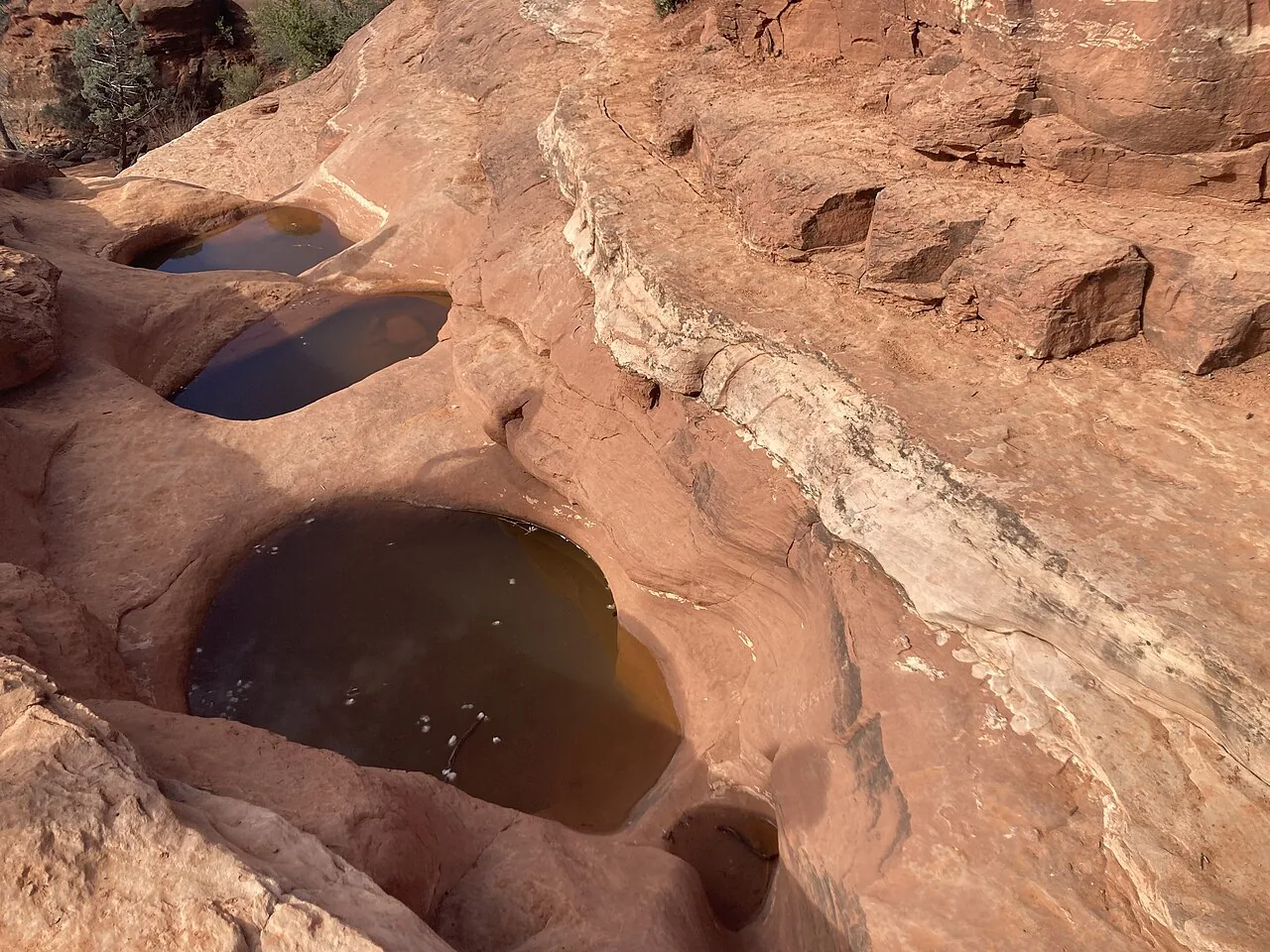
About 0.4 miles past Devil’s Kitchen, you’ll reach the Seven Sacred Pools — a stair-step series of small basins worn into the red sandstone of a drainage. After rain or snowmelt they fill and reflect the cliffs; in a dry stretch (which is a lot of the year) they can be low or empty. Either way it’s a pretty spot and a natural place to pause. The “sacred” name is part folklore, part marketing — don’t expect a shrine, just nice rock and water. Don’t swim, wade, or let dogs drink from the pools; they’re small, they don’t refill fast, and wildlife depends on them through the dry months. The rock around the basins can be slick, so watch your footing if you step close for a shot.
Soldier Pass Cave and the arches
Continue on and watch for the unmarked junction roughly 1.3 miles in, where a use-trail branches off toward the cliff wall. This is the single easiest thing to walk right past — the turn isn’t signed, and plenty of people overshoot it, which is exactly why you want an offline map loaded. The spur climbs steeply to the Soldier Pass arches and cave — a wide, eye-shaped cavern in the rock that frames the valley and makes for the trail’s signature photo. There are a couple of openings up there; the larger cavern is the one most people are after. The climb is short but steep and rocky, and the last bit into the cave is a hands-on scramble.
Cave etiquette matters here, because the space is tight and popular:
- Yield to people coming down. Downhill on the scramble is the harder, sketchier direction. If someone’s descending, wait at the bottom rather than crowding the rock.
- Take turns for photos. There isn’t much room. Get your shot and rotate out so the next group can come up.
- Stay on the main spur. A web of social trails has been beaten into the slope here. Sticking to the established path keeps the hillside from eroding further.
- Don’t carve, stack, or leave anything. No initials, no cairns, no trash. Pack out what you bring.
If the cave has a line (it often does midday), the Seven Sacred Pools and the open mesa below the cliffs are worth the wait.
Best time of day and season
Time of day: Go early — like, first-shuttle or at-the-gate early. You get cooler temperatures, better light, a real shot at the cave without a crowd, and on shuttle-off days an actual parking spot. The cave is calm at 8 a.m. and a scrum by 11. Late afternoon also thins out and can be lovely, with warm light on the cliffs, but you’re racing the gate (closes ~6 p.m.) and the last shuttle — and you don’t want to be picking your way down the cave scramble in fading light.
For photographers specifically: the cave faces out over the valley, so the framed view through the opening photographs best in the morning, when the sun is behind you and the landscape outside is lit. Midday is flat and harsh. If you’re chasing red-rock glow more generally, our photography spots rundown covers where the light lands across town.
Season:
- October through May is prime: comfortable daytime temps and the best odds of water in the pools after a storm.
- Summer (June–August) is hot and exposed. There’s little shade, no water sources, and afternoon monsoon storms (typically July–September) bring lightning and flash-flood risk in the drainages. If you hike in summer, go at dawn and be off the exposed sections by mid-morning — by midday in July the open trail can feel like a frying pan.
- Winter can be excellent — crisp, quiet, sometimes a dusting of snow on the rocks, and you’ll often have the lot to yourself on a weekday. The cave scramble gets genuinely dangerous when wet or icy, though, so check conditions and skip it if the rock is slick.
If you’ve timed your trip well, this is a great morning hike to do before the heat — then head back, cool off, and settle a long-running family debate on the indoor court at the house before dinner.
What to bring
It’s a short hike, but it’s high desert. Pack like it:
- Water — at least a liter per person for the round trip, more in warm weather. There is no water on the trail or at the trailhead.
- Real shoes — trail runners or hiking shoes with grippy soles. The cave scramble eats slick-soled sneakers, and the lower trail is loose sand and rock.
- Sun protection — hat, sunglasses, sunscreen, and lip balm. Most of the trail is open and sunny.
- A small daypack for layers, snacks, and your camera. Desert mornings start cold and warm up fast; bring a layer you can shed.
- Cash or a pass — Red Rock Pass or America the Beautiful if you’re driving to the lot.
- A downloaded map — cell service is spotty and the cave junction is unmarked, so an offline map keeps you from blowing past it.
- A trash bag — leave it cleaner than you found it, and pack out any dog waste.
- If you’re doing the cave, keep your camera on a strap so your hands are free for the rock.
Hiking it with kids
This is a friendlier family trail than most of Sedona’s headliners, with one big caveat. The walk out to Devil’s Kitchen and the Seven Sacred Pools is short, mostly flat, and genuinely interesting for kids — a giant hole in the ground and a set of stone pools are an easy sell. Make that your turnaround and you’ve got a happy, low-stress outing.
The cave spur is a different animal. It’s a steep, exposed scramble with real fall potential at the top, and the descent is harder than the climb. Whether your kids are up for it depends entirely on the kid — sure-footed older children who scramble well do fine with a careful adult; younger kids and anyone iffy on steep rock should hang back at the junction with one parent while the others go up. There’s no shame in skipping it; the sinkhole and pools are the part most kids remember anyway. For more outings sized for shorter legs, the easy hikes guide is a good next stop.
Accessibility
Let’s be honest about this one. Soldier Pass is a natural dirt trail with sand, rocks, roots, and grade changes — it is not wheelchair or stroller accessible, and there are no paved or boardwalk sections. The cave spur in particular involves real scrambling.
That said, the first stretch to Devil’s Kitchen is short and relatively flat, so visitors who can manage a bit of uneven ground can see the sinkhole and turn around without committing to the whole route. The shuttle vehicles are accessible and drop you right at the trailhead, which helps. If anyone in your group has mobility, knee, or balance concerns, plan to stop at the pools and let the confident scramblers in your party tackle the cave.
How to avoid the crowds
Soldier Pass is genuinely one of Sedona’s most popular trails, and it feels like it midday. To dodge the worst of it:
- Start at opening. First shuttle or at the gate. The difference between 8 a.m. and 10 a.m. at the cave is night and day.
- Go midweek if you can. Weekends are busiest; the tradeoff is that the shuttle often doesn’t run early in the week, so you’ll need the lot and a pass.
- Off-season helps. A weekday in November or February is a different, quieter trail than a Saturday in spring break.
- Linger where the crowd doesn’t. Most people bottleneck at the cave; the open mesa below the cliffs and the pools are calmer and just as scenic.
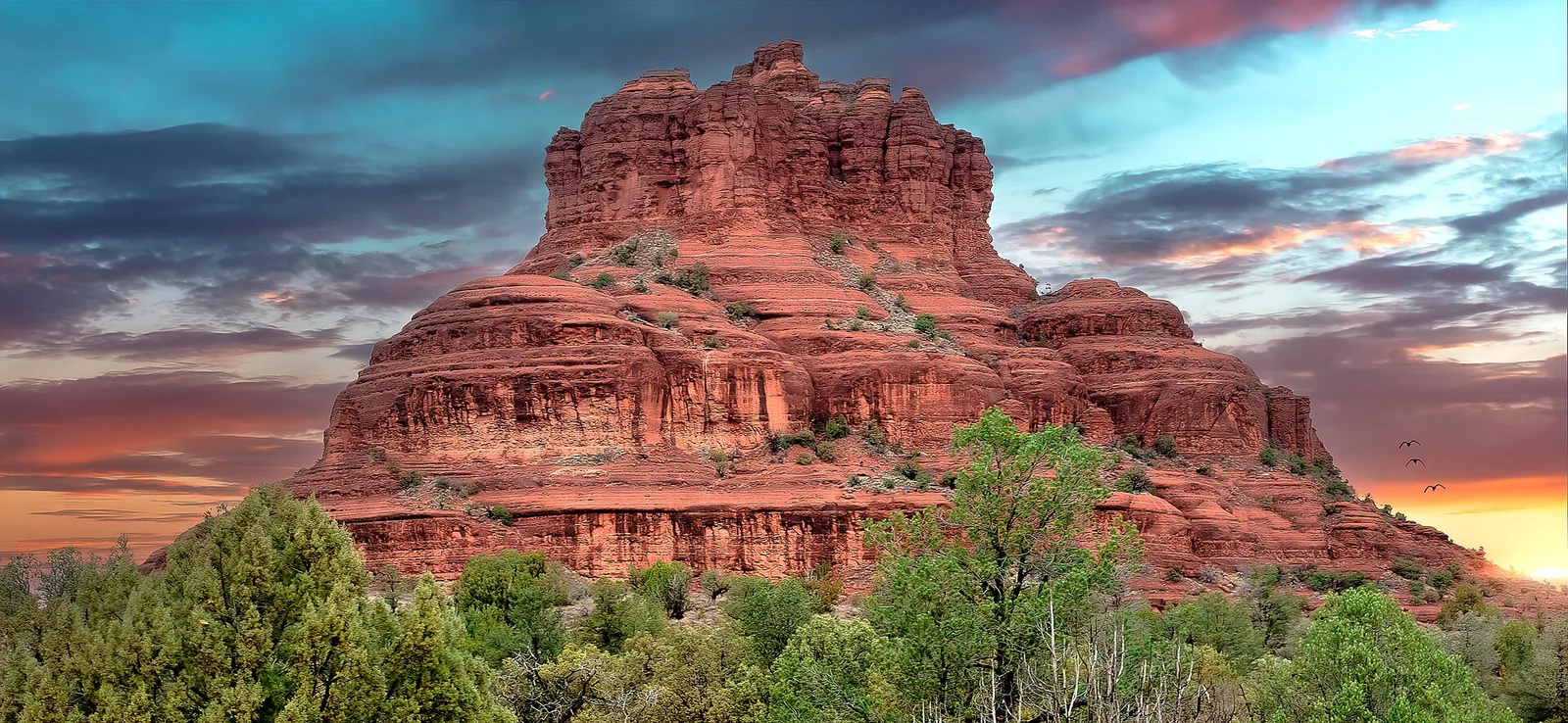
- Have a plan B. If you roll up and the lot’s full and the shuttle’s not running, don’t circle the neighborhood — pivot to another trail. Brins Mesa connects to this same system, Bell Rock has a far roomier lot, and there are plenty of easy hikes nearby that don’t have the parking circus.
Safety
A few honest cautions:
- Heat is the real danger. People get into trouble here in summer far more than from falls. Hydrate, start early, and turn around if you’re flagging — heat exhaustion sneaks up fast on an exposed trail with no water.
- The cave scramble is no joke. The rock is smooth and sandy and offers poor grip, and going down is harder than going up. If it’s wet, icy, or you’re tired, skip it — it’s not worth a sprained ankle two hours from town.
- Stay back from the sinkhole edges. Devil’s Kitchen is actively crumbling. The fences are there for a reason.
- Watch the weather in monsoon season. Drainages can flash-flood fast, and the open mesa is a bad place to be in a lightning storm. Monsoon storms build in the afternoon, which is one more reason to hike early. If you hear thunder, head down.
- Wildlife and plants — give snakes and javelina space, and don’t grab cactus for balance. Watch where you put your hands on the scramble for the same reason.
- Dogs — leashed dogs are allowed and this is a popular trail for them, but the cave scramble is rough on paws and tough for most dogs to manage safely. Carry water for them too, keep them out of the pools, and pack out their waste.
What to pair it with nearby
Soldier Pass sits in a well-connected corner of the wilderness, so it’s easy to build a bigger day around it.
- Brins Mesa — Soldier Pass links directly into Brins Mesa via the Cibola Pass and Jordan trails, making a classic loop (commonly run as roughly a 5 to 6 mile circuit, depending on your start and detours) for hikers who want more mileage and big mesa views. Doing it as a loop also lets you sidestep some of the Soldier Pass trailhead’s parking limits by starting from the Jordan trailhead.
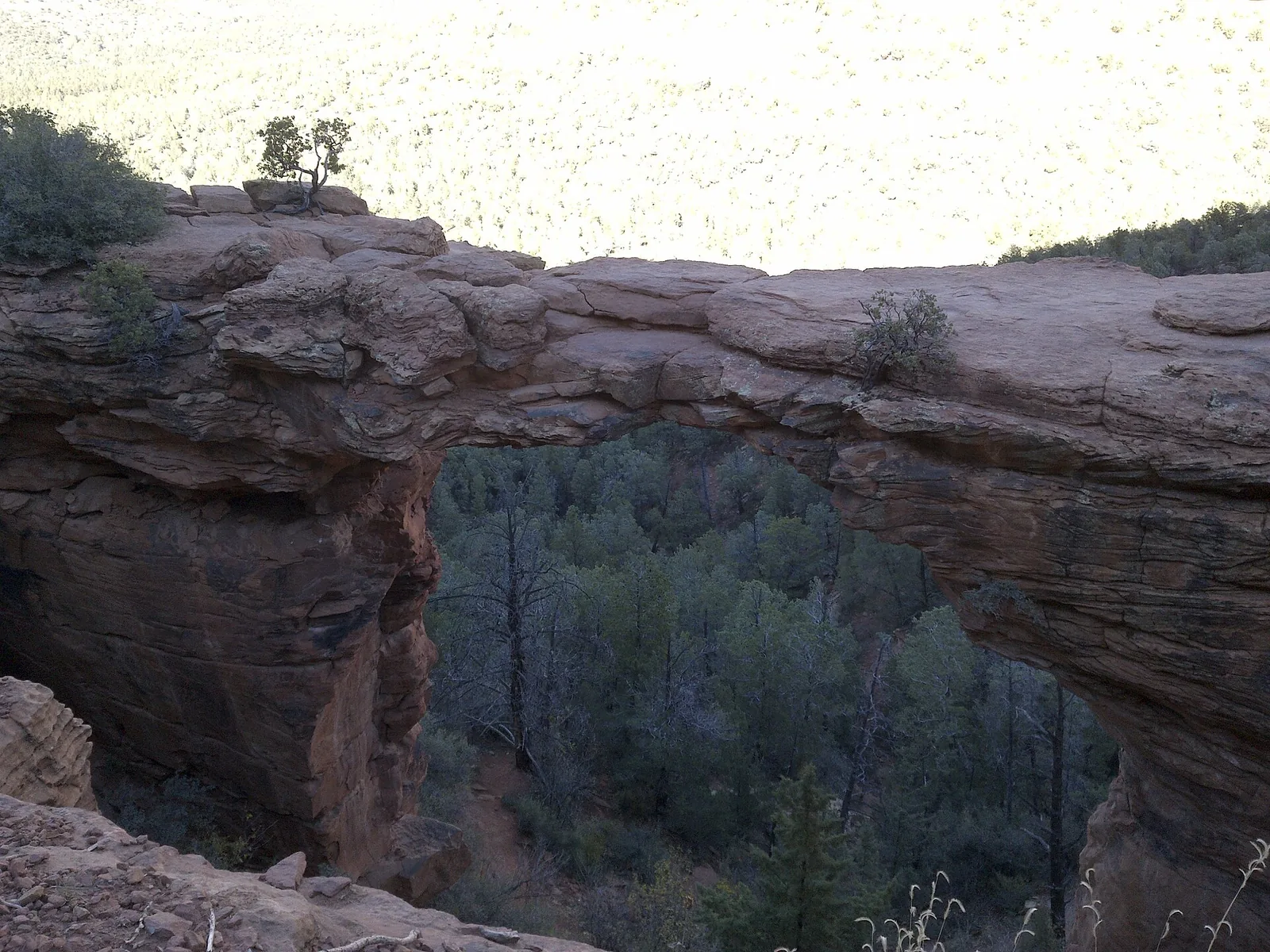
- Devil’s Bridge — Sedona’s most famous arch, in the same general Dry Creek area. It’s a separate hike with its own (also notorious) parking situation, but it pairs well as a two-hike day if you start very early.
- Uptown Sedona — you’re minutes from town, so it’s an easy drive to lunch afterward. If you want recommendations, check the best restaurants or grab a coffee or cafe stop on the way back.
- A scenic drive to cool down — if afternoon heat shuts down your hiking ambitions, the shaded Oak Creek Canyon Drive is a low-effort, high-reward way to spend the rest of the day.
A simple Soldier Pass game plan
- The night before, check the shuttle schedule (and whether Route 14 is even running) and decide: park-and-ride or drive to the lot.
- Arrive early — first shuttle, or at the gate with a Red Rock Pass already in hand.
- Walk to Devil’s Kitchen, then the Seven Sacred Pools (easy, mostly flat).
- Hit the cave spur while it’s still quiet; scramble up if you’re game, mind the etiquette, and skip it without guilt if the rock’s wet or the kids aren’t ready.
- Optionally continue to Brins Mesa for the loop, or turn around.
- Be back before the heat of the day — and well before the gate or last shuttle.
Do that, and Soldier Pass delivers about as much red-rock variety per mile as anything in Sedona. It’s busy because it’s good. Get there early, ride the shuttle when you can, treat the cave with respect, and it lives up to the hype — which is rare for a trail this easy to reach. When you’re ready to plan the rest, you can always book the house and use it as your base camp for the whole red-rock circuit.
Frequently asked questions
Do I need a Red Rock Pass for Soldier Pass?
How do I park at the Soldier Pass trailhead?
Is the Soldier Pass hike hard?
Is Soldier Pass Cave hard to find?
Can I bring my dog on Soldier Pass Trail?
What is the best time of day to hike Soldier Pass?
Stay where you can rally any season
Sedona Pickler is a private West Sedona vacation home with its own indoor, climate-controlled pickleball court — a short drive from the trailheads, viewpoints and restaurants in this Sedona guide. Play at sunrise or after dark, in any weather.
Check availability on Airbnb