Kayaking & Paddling the Verde River Near Sedona

Here’s the thing most people get wrong about paddling near Sedona: it doesn’t actually happen in Sedona. Oak Creek, the pretty little ribbon that runs through town and Oak Creek Canyon, is too shallow, too rocky, and too low most of the year to float anything but an inner tube at Slide Rock. The real water is about 30 to 45 minutes away, down in the Verde Valley, where the Verde River runs wide and slow past Clarkdale, Cottonwood, and the old Sinagua pueblo at Tuzigoot. It’s a calm, green, cottonwood-shaded float with bald eagles overhead and almost no whitewater, and it’s one of the most underrated half-days you can have while you’re staying in Sedona.
Why paddle the Verde instead of Oak Creek
If you came to Sedona picturing yourself in a kayak under the red rocks, I have to set expectations honestly. Oak Creek is gorgeous, but it is a small mountain stream. For most of the year it runs only a foot or two deep over a cobble bed, and the stretches that do hold water are either too narrow to paddle or sit on private land. Nobody runs commercial boat trips on Oak Creek, and you shouldn’t try to drag a kayak down it either.
The Verde River is the opposite. It’s one of the largest perennial (year-round) rivers in Arizona, and the stretch near Clarkdale is genuinely paddle-able for beginners. The most popular run is a roughly 3-mile reach between the Lower TAPCO river access and the Tuzigoot river access, both managed as part of the Verde River Greenway State Natural Area. The water here is rated Class I — gentle pools, a few swift little runs, and no rapids worth the name. Depths average around 2 to 3 feet with a few deeper pools you can actually swim in on a hot day.
So why go? A few honest reasons:
- It’s flat, slow, and forgiving — the rare Sedona-area activity that a complete beginner, a nervous swimmer, or a family with kids can do together.
- The riparian corridor is one of the rarest forest types in North America: a Fremont cottonwood–Goodding willow gallery forest. Less than 20 such intact zones exist in the world, and you’re floating right through one.
- The wildlife is the real draw. The Verde watershed supports a huge share of Arizona’s breeding birds, and you’ve got a genuine shot at great blue herons, hawks, and — especially in winter — bald eagles roosting in the big cottonwoods.
- It’s a complete change of scenery and temperature from the red rocks. After a few days of dusty trails, drifting under shade trees with your feet in cool water feels like a different state.
It’s not a thrill ride. If you want adrenaline, that’s what the Jeep tours and mountain biking up in the red rocks are for. The Verde is about slowing down.
Where it is and how to get there
The put-in and take-out for the standard trip are near Clarkdale, a small former mining town about 22 miles (roughly 30 minutes) south of Sedona, tucked between Cottonwood and Jerome in the Verde Valley. From Sedona you’ll generally head out on AZ-89A toward Cottonwood, then continue to Clarkdale. It’s an easy, scenic drive — and if you’re already planning a day in wine country, the timing works out beautifully (more on that below).
The two key river access points you’ll hear about:
- Lower TAPCO River Access Point — the usual launch (put-in), upriver, named for the old Tapco power plant site.
- Tuzigoot River Access Point — the usual take-out, downriver, right near Tuzigoot National Monument.
Most guided and shuttle-based trips meet at the Tuzigoot access, then van you upriver to TAPCO so you finish back at your car. That’s the simplest logistics, and it’s why almost everyone does the trip downstream.
Parking, fees, and passes
Good news for once: the Verde River paddle does not require Sedona’s Red Rock Pass. That pass is for Forest Service trailheads and day-use sites up in the red rocks (Cathedral Rock, West Fork, and the like) — it has nothing to do with the river down in the valley. Here’s how the access and fees actually break out:
| Site | What it’s for | Fee situation (confirm before you go) |
|---|---|---|
| TAPCO & Tuzigoot river access | Launch/take-out for paddling | Managed within the Verde River Greenway; if you book a tour, parking and shuttle are arranged for you |
| Tuzigoot National Monument | The pueblo ruin (optional add-on, not the river) | NPS entrance fee; covered by the America the Beautiful pass ($80/yr); cashless — card or mobile pay only |
| Dead Horse Ranch State Park | Alternate paddling on lagoons + river, in Cottonwood | Around $7 per vehicle day-use, last I checked |
| Sedona Red Rock Pass | NOT needed for the river | n/a here |
Fees and which sites charge what can change, so confirm current rates with your outfitter or the managing agency the week of your trip. If you’re going with one of the tour companies, they handle access and parking as part of the package — you really just show up.
The outfitters: who to paddle with
You can absolutely paddle the Verde on your own if you have a boat and know what you’re doing, but most visitors go with a local outfitter who provides the kayak (or inflatable kayak), the shuttle, and a safety briefing. Two established Verde Valley operations come up again and again, and both are real, long-running businesses I’d point a friend to.
Sedona Adventure Tours (Verde Adventures) — the “Water to Wine” trip
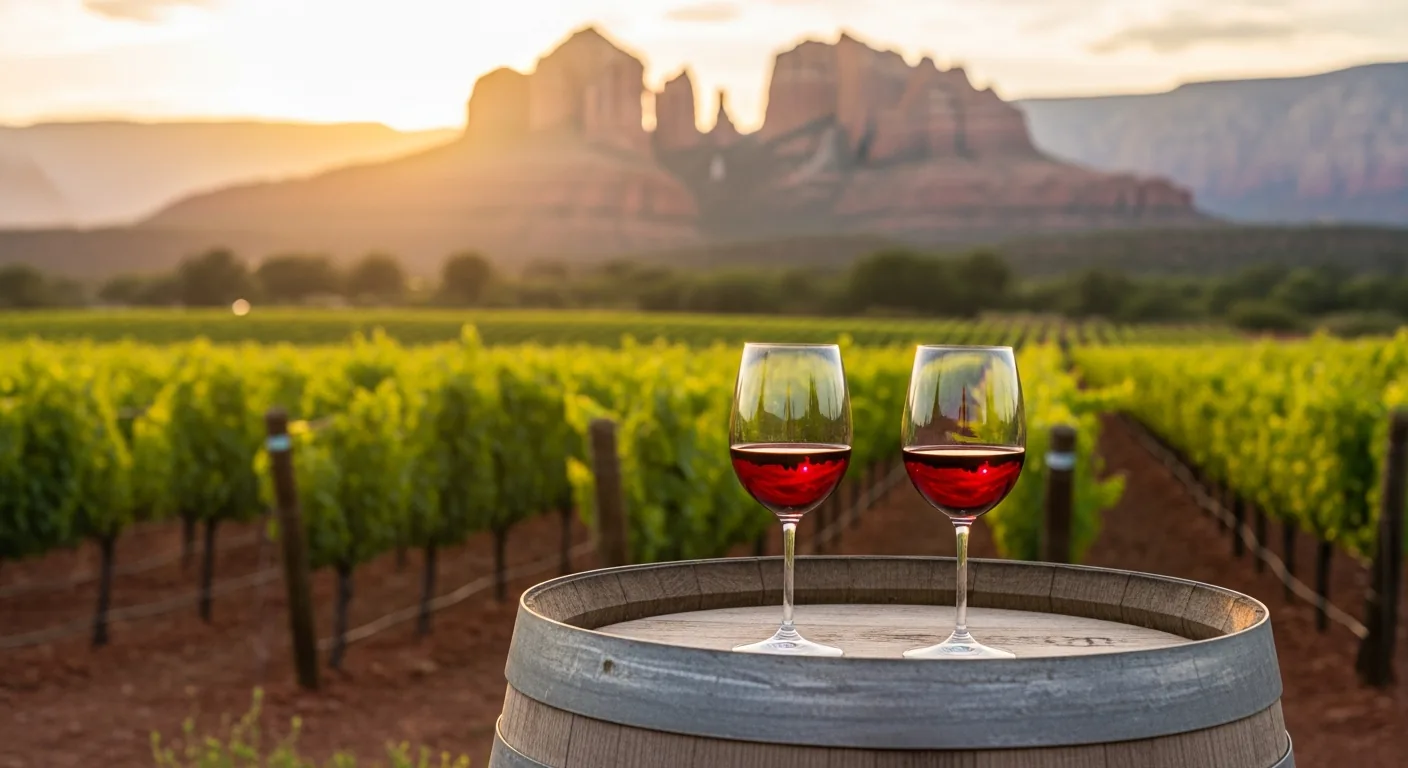
This is the famous one, and for good reason. Sedona Adventure Tours runs a signature Water to Wine experience that pairs a Verde River float with a wine tasting at the end. You meet your shuttle guide, get geared up in an inflatable kayak with a paddle-and-safety briefing, and float a beginner-friendly stretch of the Verde. The trip finishes in the shade of big cottonwoods near the confluence of Oak Creek and the Verde River, where you walk up a gravel path through the vines to a Tuscan-style farmhouse at Alcantara Vineyards for a tasting on the Verde Valley Wine Trail.
A few things worth knowing:
- It’s pitched as self-guided on the water (your shuttle guide gets you set up and points you downstream) rather than a guide paddling alongside you, so you’re going at your own pace.
- The tasting typically comes with a small credit to use at the winery toward wine, food, or gifts.
- The same company runs other water trips on the Verde, including tubing floats and pedal-and-paddle combinations that add a bike leg.
It’s a lovely, low-stress half-day, and the wine angle makes it a natural fit if you’re already building a day around the Verde Valley wineries.
Clarkdale Kayak Co. — the straightforward paddle
If you’d rather skip the wine and just paddle, Clarkdale Kayak Co. runs guided and self-guided trips on the same general TAPCO-to-Tuzigoot reach — about 3 miles of Class I water, typically 2.5 to 3 hours on the river, ending with the view up at Tuzigoot pueblo. They offer single kayaks, options for kids, and self-guided trips for people who want the gear and shuttle but not a guide. Reservations are the norm, and they’ll tell you straight if the river’s too high to run that week.
Local tip: Whichever outfitter you choose, book ahead — these are small operations with limited boats, and summer mornings sell out. And don’t assume a trip is “on” just because you reserved it: river flow dictates everything. Call or check the day before to confirm the water level is safe.
Difficulty and what to expect
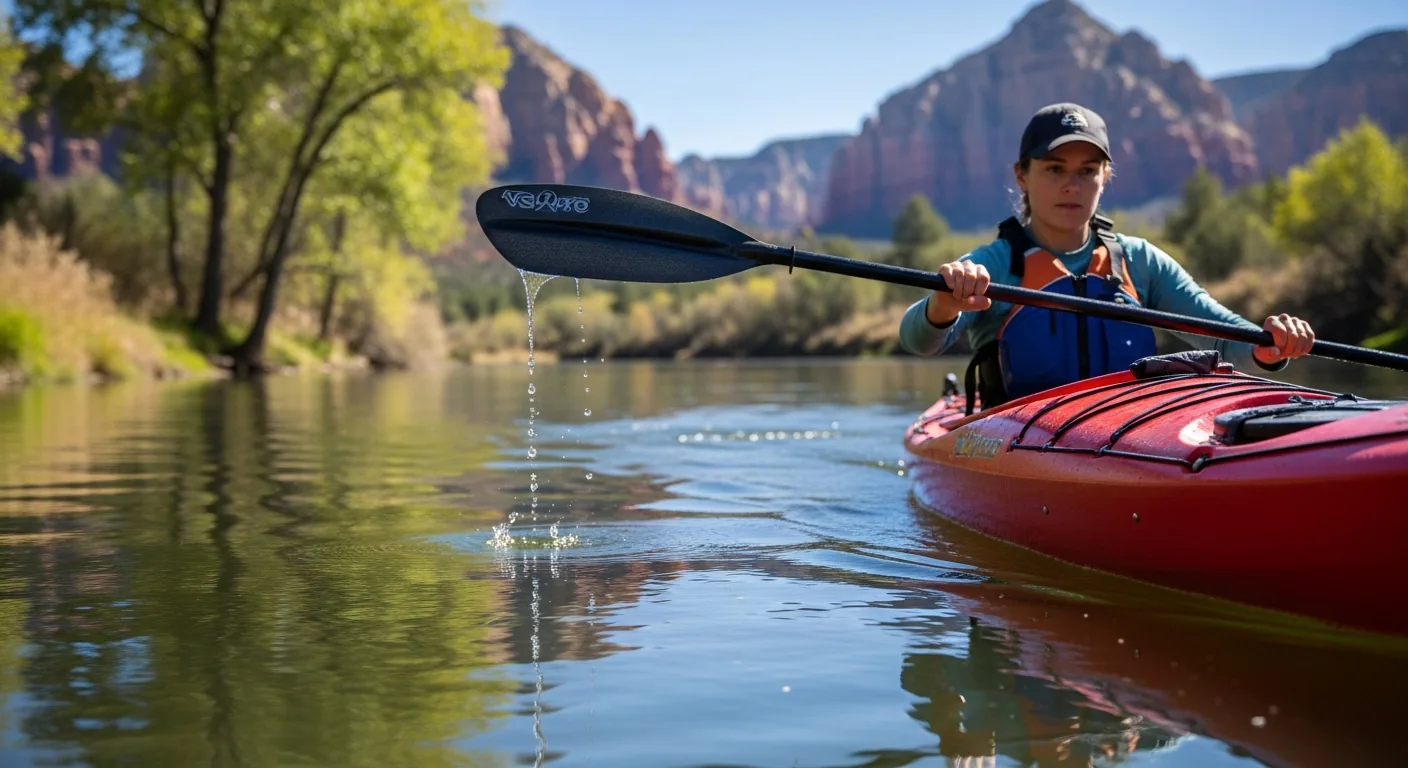
Let me be plain about the difficulty, because people psych themselves out over nothing. This is Class I flatwater paddling. There are no rapids, no drops, no technical moves. If you can sit upright and paddle forward, you can do this. The river does most of the work; you’re mostly steering, drifting, and gawking at birds.
What the experience actually feels like:
- Gear-up and briefing at the meeting point. You’ll get a kayak (often an inflatable “ducky,” which is very stable and very hard to flip), a paddle, and a life jacket — wear it.
- A short safety talk on basic strokes, how to steer, and what to do in the unlikely event you tip.
- The float itself — a couple of hours of slow water with a few quick little riffles, shade from the gallery forest, and gravel bars where you can pull out, stretch, or swim.
- The take-out near Tuzigoot, then the shuttle back to your car (or, on the Water to Wine trip, the walk up to the vineyard).
The one honest caveat: even Class I water deserves respect when flows are up. In spring runoff the Verde can move fast and cold, and outfitters will cancel rather than run it unsafe. Trust that call.
Best time of day and season
Season
The Verde is a year-round river, but it does not paddle the same every month. The flow swings dramatically with the seasons, and flow is the whole game.
- Spring (roughly Feb–April): Snowmelt and winter rain push flows up. The river is at its fullest and greenest — but high water can be genuinely dangerous regardless of your skill level. Outfitters monitor it closely and will cancel when it’s too pushy. Boating generally isn’t recommended above about 300 CFS on this reach.
- Late spring to early summer (May–June): Often a sweet spot — flows have dropped from the snowmelt peak but the river still has enough water, and the cottonwoods are fully leafed out.
- Mid to late summer (July–Sept): Flows can drop low — sometimes very low — which means more scraping, more walking your boat over gravel bars, and the occasional trip cancellation for too little water. Monsoon thunderstorms (July–Sept) can also spike flows fast and muddy; never launch with storms building.
- Fall (Oct–Nov): Quietly one of the best times — mild temperatures, golden cottonwoods, thinner crowds.
- Winter (Dec–Feb): Cold but clear, and the best window for bald eagles, which show up in numbers and roost in the big riverside trees. Dress for cold water and bring layers.
The single most useful habit: check the USGS gauge “Verde River near Clarkdale” (site 09504000) the week of your trip, or just let your outfitter make the call — they live and die by that gauge.
Time of day
Mornings, almost always. The light is soft, the wildlife is active, the air is cooler, and you’ll beat both the heat and the afternoon wind that can pick up in the valley. In summer this matters a lot — by early afternoon the Verde Valley can be 10–15 degrees hotter than the Sedona high country. A morning launch also leaves your afternoon free for wine, the Jerome day trip up the hill, or a lazy return to the house.
What to bring
The outfitter supplies the boat, paddle, and life jacket. You bring the rest. A solid list:
- Footwear that can get wet and grip — old sneakers, sport sandals with a heel strap, or water shoes. No flip-flops (they float away) and nothing you mind getting muddy.
- Sun protection, overbuilt. Wide-brim hat, sunglasses with a retainer strap, and reef-safe sunscreen. Arizona sun off the water is relentless even when it’s not hot.
- A quick-dry shirt and a swimsuit underneath. You will get splashed; you may want to swim.
- A dry bag (small) for your phone, keys, and a snack. Many outfitters can provide one — ask.
- Water, and more than you think. Bring a bottle or two even on a short float; dehydration sneaks up on you out here.
- A change of clothes and a towel left in the car for afterward. Future-you will be grateful.
- A light layer or splash jacket in cooler months — that valley air is chilly until the sun’s up.
- Binoculars, if you’re into birding. The herons and eagles reward a closer look.
Leave behind: anything you can’t afford to drop in a river, and any expectation of cell service in the canyon.
Wildlife and the riparian corridor
This is the part that surprises people. You’re floating through one of the best bird habitats in the state. The Verde River corridor is a designated Important Bird Area, and the Verde River Greenway alone has had close to 200 bird species recorded along it.
What you might actually see, depending on season:
- Great blue herons — year-round, stalking the shallows on those impossibly long legs.
- Bald eagles — mostly winter, when breeding pairs and migrants gather; look for the white heads in the tallest cottonwoods and sycamores.
- Waterfowl — ducks and other water birds, with the variety swelling during winter migration.
- Hawks and songbirds in the gallery forest, plus the constant chatter of the riparian canopy.
- Beavers and river otters live along this stretch too — you’re unlikely to spot one in daylight, but the chewed cottonwood stumps along the banks are theirs.
The cottonwood–willow gallery forest itself is the rare thing here. These shady, water-loving forests have largely vanished across the Southwest as rivers have been dammed and drained, and the Verde’s is among a tiny handful of healthy ones left. Floating quietly through it — no engine, no crowd noise — is the best way to experience it. If birds and quiet are your thing, time a winter trip to overlap with the annual Verde Valley Birding & Nature Festival.
Accessibility
I’ll be straight: river kayaking is not a high-accessibility activity, and the Verde is no exception. Getting in and out involves uneven, sometimes muddy banks and gravel bars, lowering yourself into a boat near the waterline, and a shuttle ride. That said, the water itself is flat and calm, the inflatable kayaks are extremely stable, and the trip is genuinely doable for a wide range of fitness levels and ages — kids (most outfitters set a minimum age, often around 5), older adults, and first-timers all do it routinely.
If anyone in your group has mobility limitations and you still want to be on the water, Dead Horse Ranch State Park in Cottonwood is worth a look as an alternative — it has developed lagoons with a launch ramp and dock (East lagoon) that are much easier to access than a wild riverbank, plus flat shoreline paths. Call your outfitter or the park ahead and explain your needs; they’re used to the question and will tell you honestly what’s workable.
How to avoid the crowds
The Verde never gets red-rock-trailhead busy — there’s no equivalent here to the conga line at Devil’s Bridge — but the boats and parking are limited, so “crowded” mostly means “sold out.” To keep it mellow:
- Book the earliest launch of the day. Quieter water, better light, cooler air, more wildlife.
- Go midweek if you can. Weekends draw the Phoenix day-trip crowd up into the Verde Valley.
- Aim for the shoulder seasons — late spring, early summer, and fall — over the peak summer weekends.
- Reserve well ahead in summer. The trips are small; they fill.
- Skip holiday weekends entirely if quiet is the goal.
Safety
The Verde is gentle, but it’s still a real river, and the mistakes that get people in trouble are predictable:
- Wear the life jacket. Every time, fastened, the whole trip. Most river incidents involve people who took theirs off.
- Respect the flow. The single biggest risk is high water in spring runoff or after monsoon storms — fast, cold, and unforgiving. If your outfitter cancels for flow, they’re doing you a favor. Don’t go rogue and launch anyway.
- Watch the sky in monsoon season (roughly July–September). Distant thunderstorms can spike the river and bring lightning. If storms are building, get off the water.
- Mind the sun and heat. Hydrate before, during, and after. Summer afternoons in the valley are no joke; another reason mornings win.
- Don’t paddle alone if you’re inexperienced — go with an outfitter or a group.
- No cell service in much of the corridor, so tell someone your plan and roughly when you’ll be back.
- Cold-water months mean hypothermia is a real risk if you tip; dress for the water temperature, not the air.
None of this should scare you off. It’s a beginner trip. But the river earns its keep when you treat it with a little respect.
What to pair it with nearby
The beauty of the Verde paddle is that it drops you right into the Verde Valley, which has plenty to fill out a day. Some natural combinations:
- Wine tasting. This is the obvious one, and it’s why the Water to Wine trip exists. The Verde Valley wineries around Cottonwood, Clarkdale, and Cornville make an easy, boozy afternoon after a morning on the river. Designate a driver.
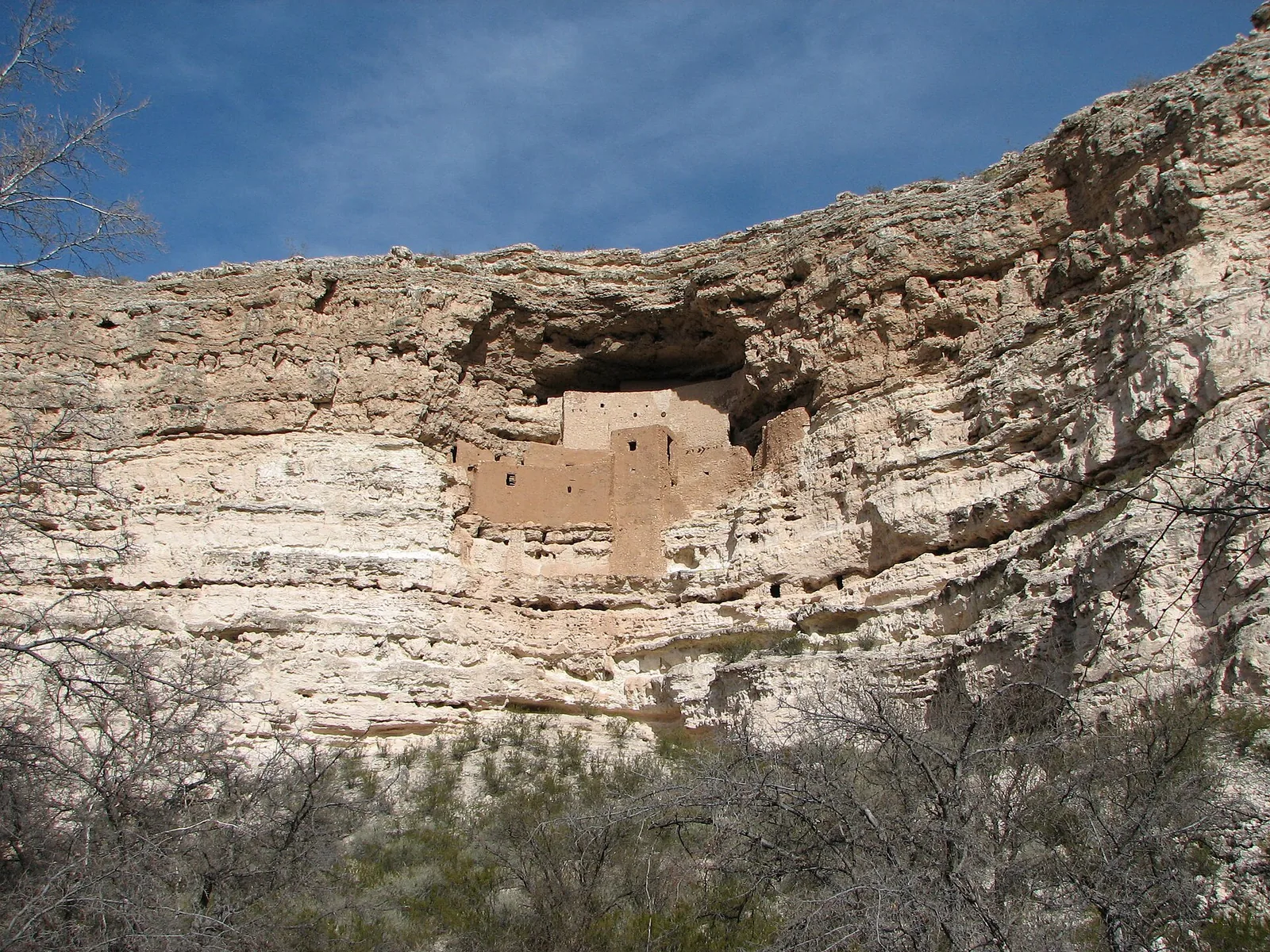
- Tuzigoot National Monument. You finish the float practically at its feet. The hilltop Sinagua pueblo is a short, easy walk with big valley views and 800 years of history. Pair it with Montezuma Castle down the road for a two-monument day.
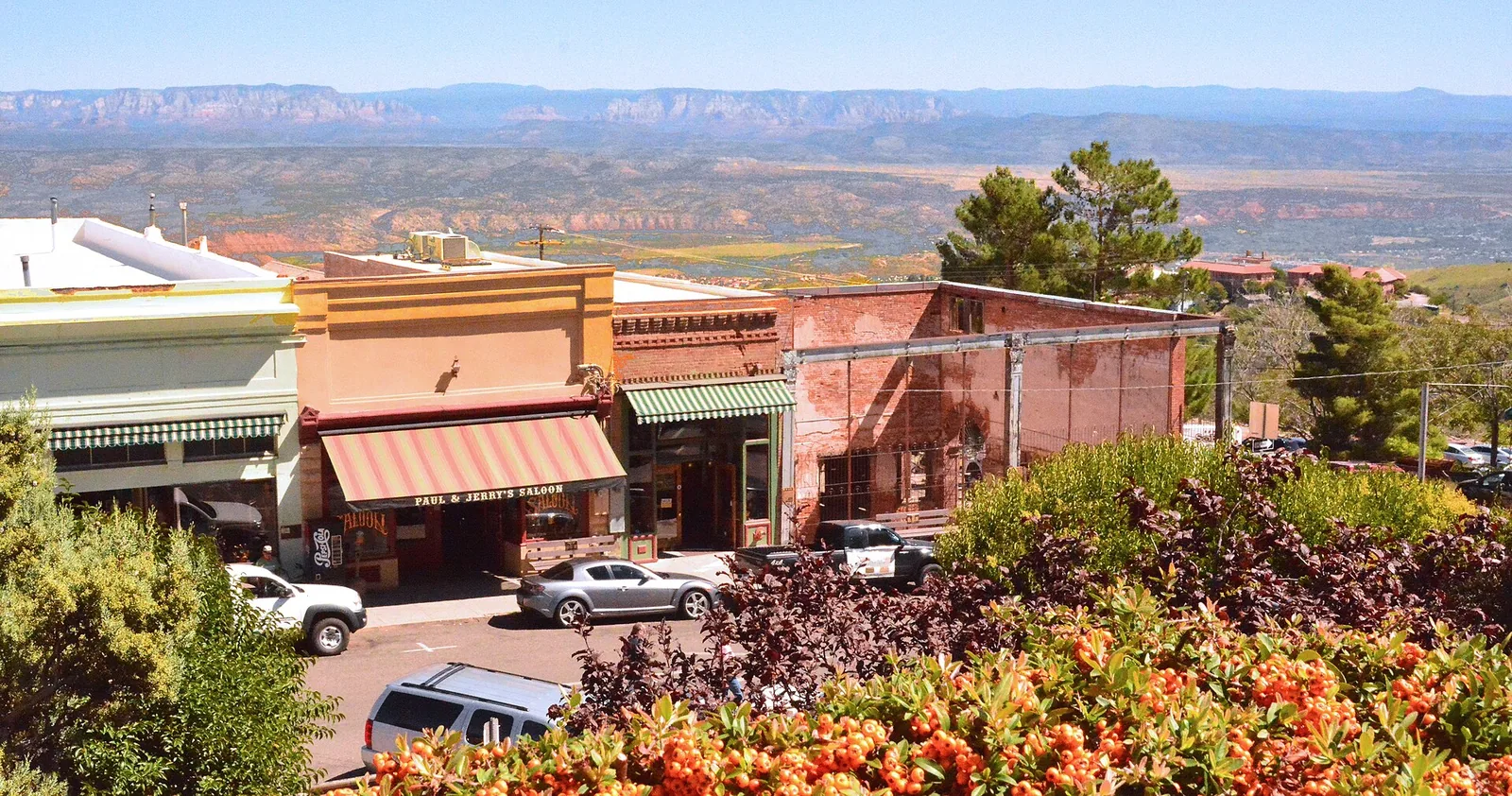
- Jerome. The old copper-mining town clings to the hillside above Clarkdale — funky shops, ghost-town history, and serious views. The Jerome day trip is a perfect afternoon chaser.
- Old Town Cottonwood. Walkable Main Street with tasting rooms, restaurants, and a relaxed pace for an early dinner.
- Dead Horse Ranch State Park. If you got a taste for the water and want more, its lagoons offer easy, calm paddling and good birding.
And then there’s the easiest pairing of all: come back to the house. After a morning drifting down a slow river, there’s something satisfying about an afternoon of fast, competitive points — you can shake off the lazy-river calm with a few rallies on the indoor court before dinner, no matter how hot it got in the valley. If you haven’t yet, you can book the house and build your whole Sedona week around days like this — one part red-rock adventure, one part river float, one part pickleball.
The Verde won’t give you whitewater or red-rock drama. What it gives you is rarer: a quiet, green, wildlife-rich river you can actually paddle as a beginner, 30 minutes from your front door, in a corner of Arizona most visitors never bother to find.
Frequently asked questions
Can you kayak on Oak Creek in Sedona?
How hard is the Verde River to paddle?
What's the best time of year to kayak the Verde River?
Which outfitter should I book for a Verde River kayak trip?
Do I need a Red Rock Pass to kayak the Verde River?
Will I see wildlife on the Verde River?
Stay where you can rally any season
Sedona Pickler is a private West Sedona vacation home with its own indoor, climate-controlled pickleball court — a short drive from the trailheads, viewpoints and restaurants in this Sedona guide. Play at sunrise or after dark, in any weather.
Check availability on Airbnb