Sedona packs a surprising amount of programming into a small town. Between a nationally known film festival, a spring yoga gathering, back-to-back arts weekends in the fall, monthly gallery nights and a December luminaria tradition that has run for half a century, there is something on the calendar in most months of the year. The trick is knowing which weekends fill lodging months in advance and which ones you can plan on short notice.
This page maps Sedona’s recurring annual events to the month they land in, so you can plan a trip either around a festival you want to catch or around the quiet weeks when trails and restaurants are calmer. Every event below is a recurring one with a track record, not a one-off. Dates shift year to year, so treat the specific dates here as a guide and confirm the current year against each event’s official site before you commit. For a broader look at seasons and weather beyond the events themselves, the best time to visit Sedona guide covers crowds, temperatures and trail conditions month by month.
How to Read Sedona’s Event Calendar
Sedona’s event year has a clear rhythm once you see it. Two stretches stand out as the busiest: late February, when the Sedona International Film Festival takes over town for nine days, and October, when two arts festivals collide with peak fall color. Those are the hardest weekends of the year to book and the ones worth planning two to three months ahead.
Spring and fall carry most of the rest of the calendar for a simple reason: the weather cooperates. Sedona sits at about 4,350 feet, so March through May and September through November deliver the clear, comfortable days that outdoor festivals depend on. Spring highs climb from the upper 60s in March to the mid-80s by late May; fall eases back down from the upper 80s in September to the upper 60s in November. Organizers schedule around that sweet spot, which is why the festival calendar clusters at both ends of the warm season.
Summer is quieter on the events front but not empty. June is dry and warm, the last easy stretch before the monsoon; July and August bring afternoon thunderstorms, cooler nights than the desert cities below, and a late-July hummingbird festival. If your goal is heat relief rather than a specific event, the beat-the-heat guide lays out how Sedona summers run about ten degrees cooler by day than Phoenix and far cooler at night.
Winter is the calm bookend. January is the quietest month of the year, with the emptiest trails and the best lodging availability, before February’s film festival and marathon weekend wake the calendar back up. If you value quiet over a packed schedule, January and the mid-June-to-early-July window are your two best bets.
One year-round note before the month-by-month rundown: First Friday in the Galleries runs on the first Friday of most months, roughly February through November. Organized by the Sedona Gallery Association, it opens galleries across Tlaquepaque, Hillside, Uptown and West Sedona for evening receptions from about 5 to 8 p.m., often with live music and refreshments, and a free trolley loops between the clusters. It is the most reliable recurring event in town and a good fallback any month you visit. The art galleries guide has more on which galleries anchor each district.
January and February: Off-Season Calm, Then the Film Festival
January is the year’s quietest month, and that is the whole appeal. Highs sit near the upper 50s, nights drop toward freezing, and an occasional dusting of snow lands on the red rocks a short drive from town. There is no marquee festival, which means trails are open, restaurants take walk-ins, and lodging is at its most available. Plan hikes for the middle of the day when it is warmest, and treat January as the month to have Sedona closer to yourself.
February flips the switch. Two events anchor the month, and both draw visitors from well beyond Arizona.
Early in the month, RunSedona brings a Half Marathon, 10K, 5K and a family 5K Walk through the red rock landscape on the west side of town. It has run for more than two decades, and Runner’s World has named it one of the 15 Most Scenic Half Marathons in the United States and Canada. February race mornings are cool, often sunny and in the 50s once the sun is up, which is close to ideal running weather. Registration and course details live on the official RunSedona site.
Late February belongs to the Sedona International Film Festival, the largest annual event in town. It runs nine days, typically spanning the last week of February into the first day or two of March. The 2026 edition, the festival’s 32nd, is scheduled for February 21 through March 1. The festival has run since 1995 and screens more than 150 films across narrative features, documentaries, shorts, animation and foreign-language films, alongside workshops and panels. It has been named to MovieMaker Magazine’s list of the 25 Coolest Film Festivals in the World. This is the single busiest lodging week of Sedona’s year, so if a film-festival trip is the goal, book early and expect company. The dedicated Sedona Film Festival guide covers passes, planning multi-film days and what to expect, and the February in Sedona page rounds out the rest of the month.
Weather in February is quiet by comparison to the calendar: highs near the low 60s, nights in the mid-30s, and generally clear skies that make both a race and a walk between theaters comfortable.
March, April and May: Spring’s Festivals and Peak Hiking
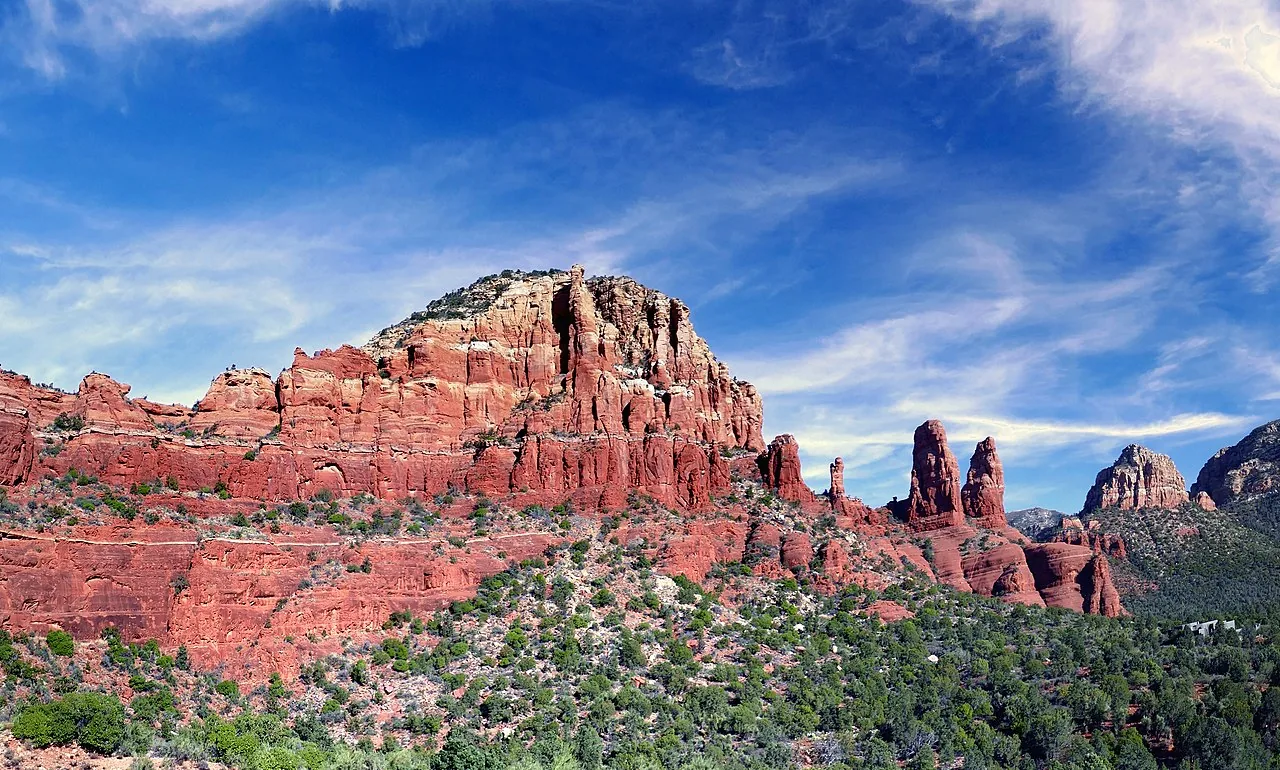
Spring is Sedona’s postcard season, and the calendar reflects it.
March is spring-break season, which means warm, dry hiking weather and the year’s first real crowds. Highs reach the upper 60s and trails like Bell Rock and Devil’s Bridge are at their most comfortable. For years, March also meant the Sedona Mountain Bike Festival, timed to spring break — but the organizers moved that event to the fall, so do not plan a March trip around it. More on the new dates below. March itself still delivers excellent riding and hiking weather; it is simply lighter on formal festivals than the months on either side. The early days of March also catch the tail end of the film festival if it runs long.
April is arguably the finest month of the year for weather, with highs around the mid-70s, cool nights and wildflowers coming on. The headline event is the Sedona Yoga Festival, held in late April at the Hilton Sedona Resort at Bell Rock. The 2026 dates are April 23 to 27. The festival gathers well over 150 sessions spanning yoga, meditation, ayurveda and related wellness practices across several days, set against the red rocks near Bell Rock. It has become one of the anchor spring gatherings in town and pairs naturally with the flawless April hiking. April also falls in one of Sedona’s two peak seasons, so lodging tightens and prices rise; the April in Sedona guide covers the festival and the month around it.
May is the quiet achiever. Highs climb into the mid-80s, the light stretches long into the evening, and spring-break crowds have thinned before the summer creek season arrives. There is no single marquee festival in May, which is part of its charm — First Friday in the Galleries carries the month, and the warm, dry days make it one of the last easy stretches for all-day hiking before summer heat sets in. Late May quietly begins the shift toward the cooler-than-the-desert summer travel season.
June, July and August: Monsoon Season and the Hummingbird Festival
Summer changes the character of a Sedona trip. The town is quieter on the events calendar, but the season has its own draws, and Sedona’s elevation makes it noticeably more comfortable than Phoenix or Tucson.
June is warm and dry, the pre-monsoon month. Highs run in the low 90s at midday but nights fall into the low 60s, a swing the desert cities below cannot match. There is no major festival, which makes June — especially the middle of the month before the July creek crowds — one of the better-value windows of the year. Early-morning hikes and afternoon creek dips are the move.
July brings two things: the monsoon and the hummingbirds. Arizona’s monsoon season officially opens June 15 and typically ramps up in early July, delivering dramatic afternoon thunderstorms that build in the 3-to-5 p.m. range. Those storms bring genuine flash-flood risk, so never enter a canyon or creek bed when storms are threatening upstream, and plan outdoor activity for clear mornings. The event highlight is the Sedona Hummingbird Festival, held in late July — July 24 to 26 in 2026 — at the Sedona Performing Arts Center on Upper Red Rock Loop Road. Presented by the International Hummingbird Society, it packs three days with speaker presentations, garden tours, banding demonstrations, birding field trips and a marketplace, with free access to much of the festival grounds. The July in Sedona guide covers monsoon timing, creek swimming and flash-flood safety in more depth.
August is monsoon peak, and it is greener and more dramatic than you might expect of an Arizona August. Cloud cover from afternoon storms actually trims the peak highs — August tends to run a touch cooler than July at midday — and the landscape turns lush. Crowds thin and rates soften, making late summer a quietly good value. First Friday in the Galleries continues, and storm-watching from a covered patio becomes its own kind of evening entertainment. Schedule the outdoors for mornings and keep the afternoons flexible.
September and October: Wine, Art and the Busiest Weeks of the Year
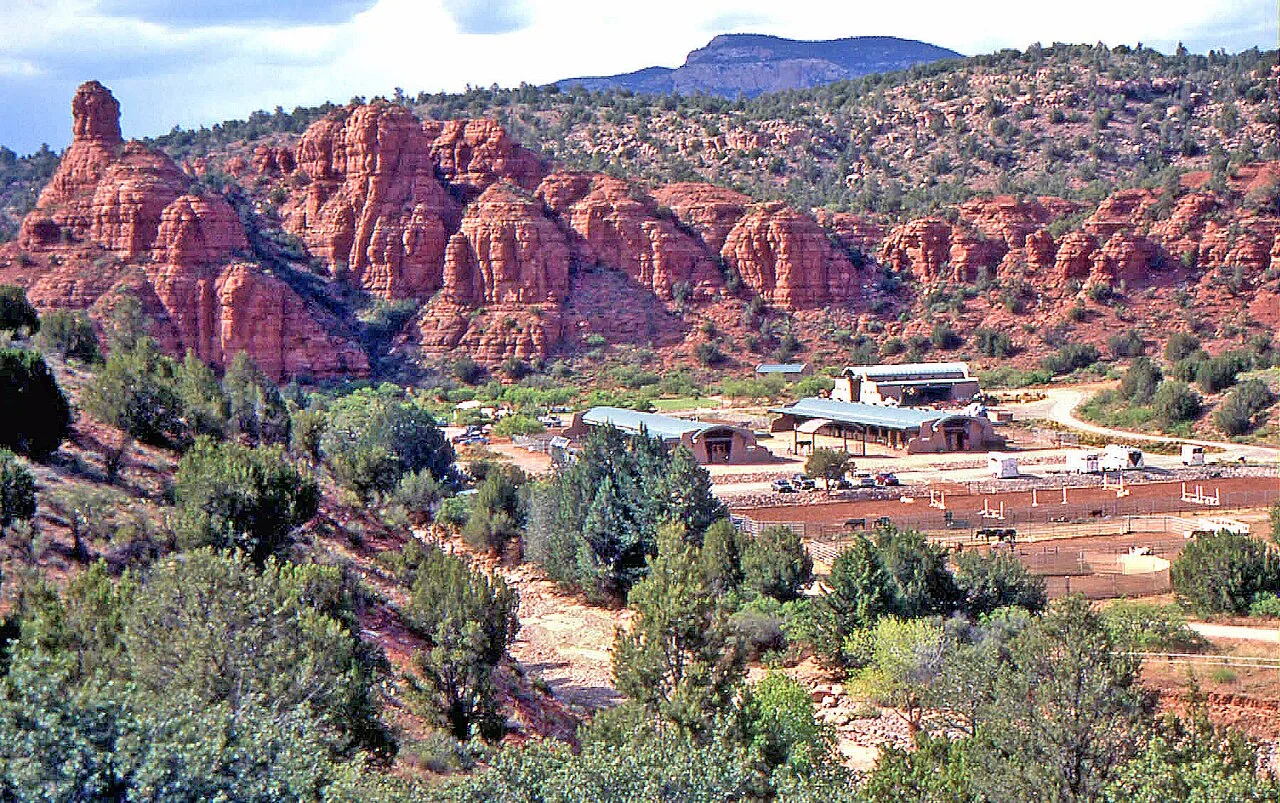
Fall is the second half of Sedona’s festival year, and it builds toward the busiest weeks on the calendar.
September is a shoulder-season sweet spot. The monsoon tapers off through the first part of the month, highs ease into the upper 80s, and crowds are thinner than they will be in October. The recurring event to know is Sedona Winefest, held in late September at Posse Grounds Park and put on by the Verde Valley Wine Consortium. The two-day festival pours wines from Arizona producers alongside food trucks, artisan vendors and live music. September’s combination of comfortable weather, a marquee event and pre-October value makes it one of the savviest months to visit.
October is the other peak of the year, and it is dense. Two arts festivals headline the month:
- The Sedona Arts Festival, held on a mid-October weekend at Sedona Red Rock High School. The 2026 dates are October 10 and 11. It brings together more than 100 juried artists along with live music and food; general admission runs a modest two-day fee, with children free alongside a paying adult.
- The Sedona Plein Air Festival, run by the Sedona Arts Center over about nine days in the second half of October. The 2026 edition, its 22nd, is October 16 to 24, with painters working outdoors across the red rock country and events building to a show and sale.
October also carries a full slate of community events — a dog-focused WagFest and Fair, a Wings and Wheels gathering, a Fest of Fall, a Pumpkin Splash, a fall arts-and-crafts show and Uptown Trick or Treat on Halloween. On top of all that, Oak Creek Canyon’s fall color peaks from mid-October into early November, drawing its own wave of visitors to the West Fork trail and the SR-89A drive. The result is the tightest booking month of the year: festivals, foliage and perfect hiking weather all land at once. Plan an October trip well ahead. The October in Sedona guide and the fall colors guide cover timing and where to go once you are here.
November: Mountain Bikes Return and Veterans Day
November eases off October’s peak. Highs settle into the upper 60s, nights turn crisp, and the last of the fall foliage lingers in Oak Creek Canyon early in the month before crowds and prices relax. It is a comfortable, better-value window for hiking.
The event that reshaped November is the Sedona Mountain Bike Festival. Long a March event tied to spring break, it moved to the fall, and the 2026 edition runs November 6 to 8. The three-day festival is built around demo bikes from major brands, a large vendor expo, shuttled and guided trail rides, skills clinics for all levels, food trucks, a beer garden and live music. November’s cooler, drier trail conditions are a big part of why it made the move. If you are building a riding trip around it, confirm the current dates on the official festival site, since the schedule shifted from its old spring slot. The dedicated Mountain Bike Festival guide and the November in Sedona page have more.
November 11 brings a Veterans Day Tribute in Sedona, a recurring community observance held each year on the holiday. It is a smaller, local event rather than a tourist festival, but worth knowing if you are in town.
December: The Festival of Lights
December closes the year with Sedona’s oldest holiday tradition. Highs hover near the upper 50s, nights drop toward freezing, occasional light snow dusts the rocks, and lodging is generally available outside the immediate holiday peak.
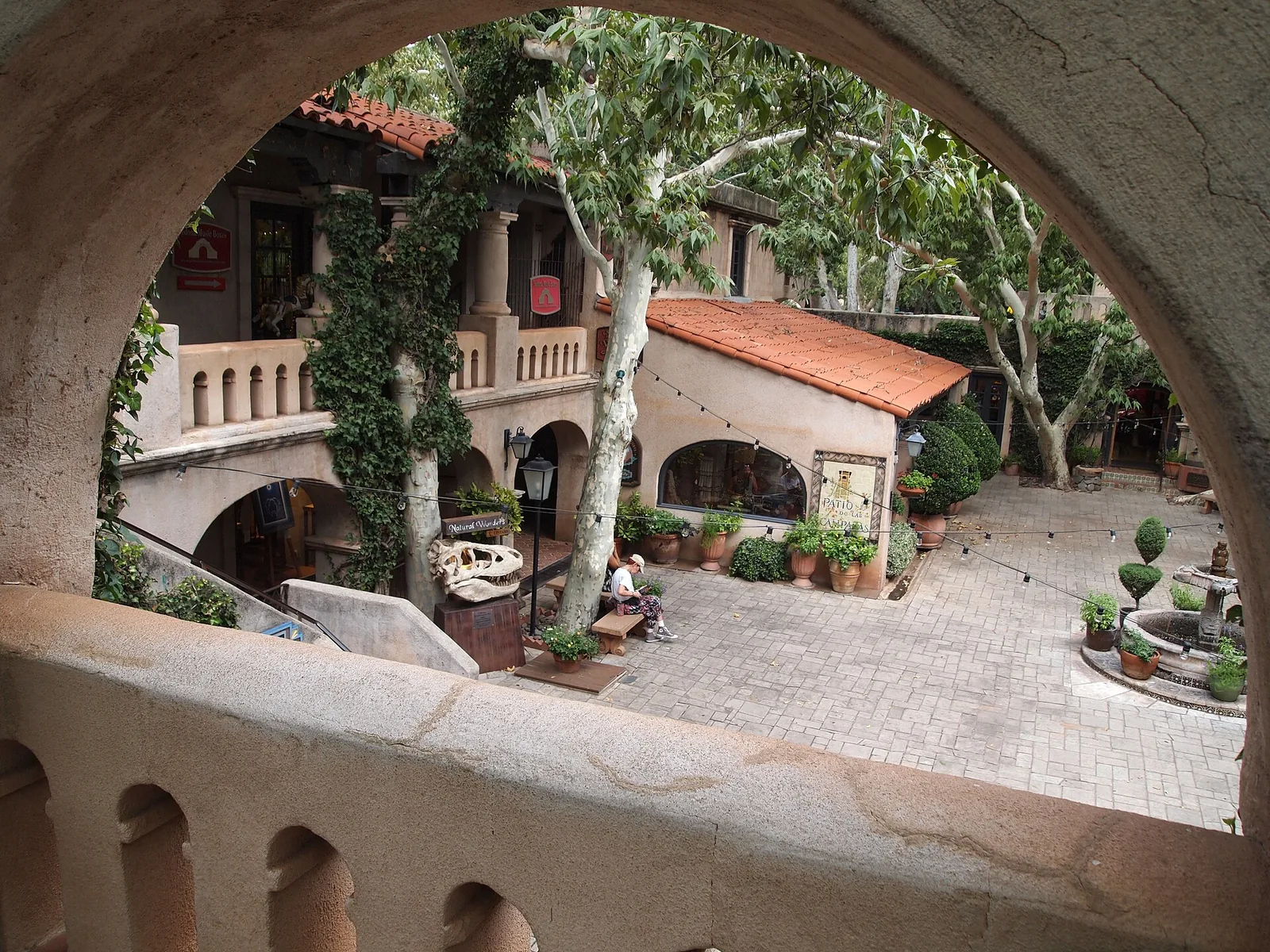
The signature event is the Tlaquepaque Festival of Lights, a December tradition that has run for roughly half a century — its 50th anniversary was in 2023. On the main evening, about 6,000 luminarias are lit throughout the Tlaquepaque Arts and Shopping Village at dusk, timed to the tolling of the bell tower around 5 p.m., with music filling the courtyards and chapel. Admission is free, the hot cider is free, and a free trolley runs from the Uptown parking lot so you can leave the car behind. It is one of the most photographed evenings of Sedona’s year and a genuinely warm way to spend a cold December night. The Festival of Lights guide covers arrival timing and parking, and the Tlaquepaque guide covers the village itself, which is worth a visit any month.
Tlaquepaque and Uptown add more holiday programming through the month, including a Breakfast with Santa in early December — December 5 in 2026. The December in Sedona guide rounds out the month’s options, and then the calendar comes full circle to January’s quiet.
A Month-by-Month Summary
For quick reference, here is the recurring event calendar at a glance. Confirm exact dates on each event’s official site before planning.
| Month | Recurring events | Typical highs |
|---|---|---|
| January | Off-season calm; no marquee festival | Upper 50s |
| February | RunSedona (early Feb); International Film Festival (late Feb) | Low 60s |
| March | Spring-break crowds; strong hiking weather | Upper 60s |
| April | Yoga Festival (late April) | Mid-70s |
| May | First Friday galleries; long light | Mid-80s |
| June | Pre-monsoon; quiet, good value | Low 90s |
| July | Hummingbird Festival (late July); monsoon onset | Upper 90s |
| August | Monsoon peak; softer rates | Low-to-mid 90s |
| September | Winefest (late Sept); monsoon tapers | Upper 80s |
| October | Arts Festival, Plein Air Festival, peak fall color | Upper 70s |
| November | Mountain Bike Festival (Nov 6-8, 2026); Veterans Day | Upper 60s |
| December | Tlaquepaque Festival of Lights | Upper 50s |
Practical Tips for Timing a Festival Trip
A few habits make an event trip to Sedona go smoothly, whichever month you pick.
Confirm dates first, then book lodging. Recurring events shift by a week or more year to year, and at least one — the Mountain Bike Festival — jumped seasons entirely. Pull the current date from the event’s own site before you reserve anything, rather than trusting a date you saw last year.
Weekdays beat weekends. Almost every event above peaks on a Saturday. If your schedule is flexible, arriving mid-week around a festival gets you thinner crowds at trailheads and restaurants and easier parking, even during the busy February and October stretches.
Plan for parking and use the free trolleys. Sedona’s central districts fill up on event days. Two of the year’s signature evenings — First Friday in the Galleries and the December Festival of Lights — run free trolleys between the gallery clusters and from the Uptown parking lot, so park once and ride. During October’s arts weekends and the film festival, budget extra time to find a spot near venues.
Stack complementary events. Some months let you catch more than one thing. A late-October trip can pair the Plein Air Festival with peak Oak Creek fall color; a late-February visit can combine the film festival with a run in the RunSedona weekend if the calendars line up. September pairs Winefest with some of the year’s best weather-to-crowd balance.
Match the month to the goal. If you want a packed schedule and do not mind company, aim for February or October. If you want quiet trails and open tables, aim for January or the middle of June. The shoulder months — May, September and November — sit in between, with comfortable weather and room to move.
Booking Around the Calendar: The Home as a Basecamp
Once you know when an event lands, the practical question is where a group stays. Festival weekends are exactly when hotels fill and split parties across separate rooms, and when a shared house does the most work. Sedona Pickler is a whole-home rental in West Sedona that sleeps 8, which makes it a straightforward base for a film-festival crew, a riding group in for the mountain bike festival, a wedding-adjacent family in town for the holidays, or friends timing a trip to fall color.
The house also solves the weather gap that events sometimes run into. Its private indoor, climate-controlled pickleball court is heated, air-conditioned and lit, so a group has something to do together regardless of what the sky is doing — a July monsoon afternoon, a cold December morning after the Festival of Lights, or the dead hours between festival sessions. Paddles and balls are provided; guests bring court shoes. West Sedona keeps you minutes from trailheads, restaurants and Uptown, so the festival venues, the SR-89A fall drive and the Tlaquepaque courtyards are all short hops from the door.
Whichever month you choose, the pattern holds: February and October reward planning ahead, January and midsummer reward travelers who prefer quiet, and the shoulder months in between give you comfortable weather with room to breathe. Line the calendar up with what you want out of the trip, book the home for the group, and let the season do the rest. Booking is through Airbnb.
Frequently asked questions
What is the biggest event month in Sedona?
When is the quietest, best-value time to visit Sedona?
When is the Sedona International Film Festival?
Did the Sedona Mountain Bike Festival change dates?
Is the Tlaquepaque Festival of Lights free?
Are there any events in Sedona during the summer?
How far ahead should I book for a festival weekend?
Stay where you can rally any season
Sedona Pickler is a private West Sedona vacation home with its own indoor, climate-controlled pickleball court — a short drive from the trailheads, viewpoints and restaurants in this Sedona guide. Play at sunrise or after dark, in any weather.
Check dates & book