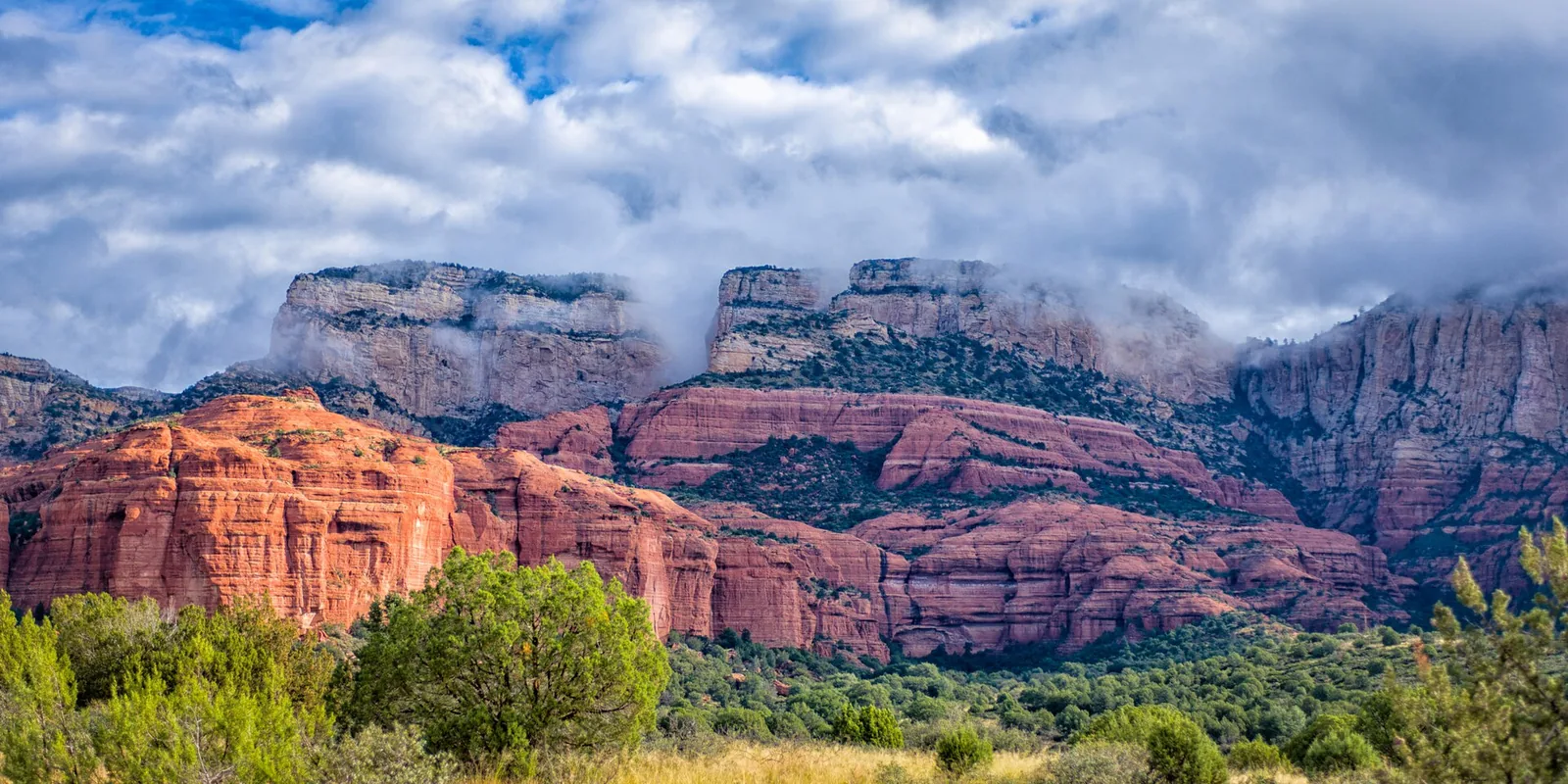
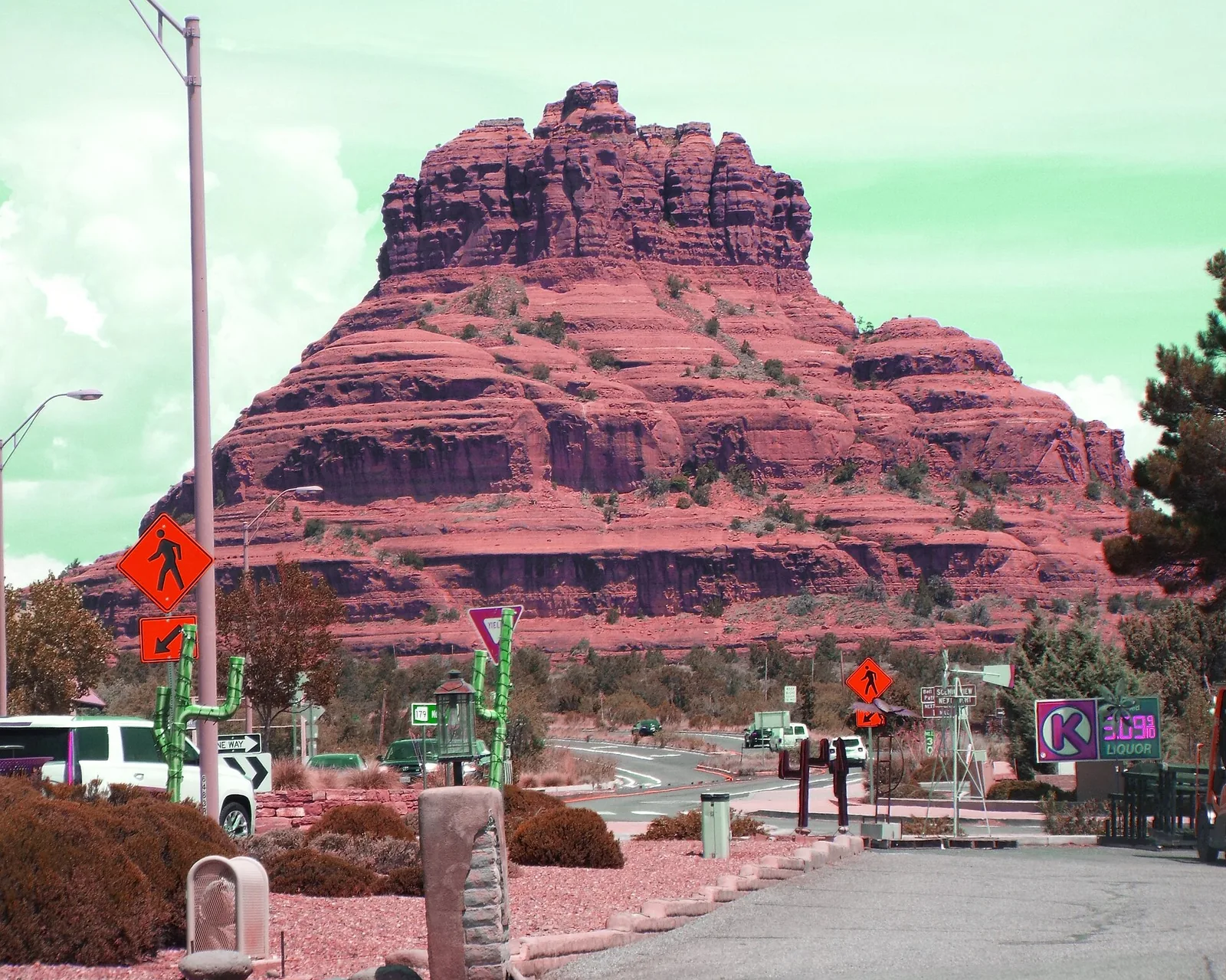
For nine days each winter, a small red-rock town of about 10,000 people turns into a working film festival. The Sedona International Film Festival is the largest single annual event in Sedona, and it fills the quietest stretch of the calendar with more than 150 films, filmmaker talks and sold-out screenings. If you like independent film, or you just want a reason to visit Sedona when the trails are empty and the rooms are easier to book, late February is a strong week to plan around. Here is how the festival works, when it happens, where the screenings play, and how to build a trip around it.
The festival at a glance
The Sedona International Film Festival started in 1995 as a three-day showcase of independent film, with roughly 30 titles and a set of filmmaker workshops attached. It has grown steadily since then into a nine-day event that screens more than 150 films from around the world. The festival organization calls it the jewel in the crown of Sedona’s cultural life and the largest single annual event in the community, and that is not an overstatement for a town this size. For one week the theaters run from morning into the evening, filmmakers come to town for their premieres, and the audience is a mix of serious film fans, locals and visitors.
The program is broad. You will find narrative features, feature-length documentaries and short films, spanning independent, international and studio-adjacent work. Many screenings are followed by a question-and-answer session with the director, producer or cast, which is a good part of why people come in person rather than waiting for streaming. There are also special events through the week, including opening night, an awards presentation and social gatherings for pass holders.
The festival has picked up national recognition. MovieMaker Magazine has named it one of the “25 Coolest Film Festivals in the World” in back-to-back years, and also placed it on the magazine’s “50 Film Festivals Worth the Entry Fee” list. Those are useful signals if you are deciding whether a Sedona trip is worth building around film rather than hiking, and they help explain why screenings sell out.
When the festival happens
The festival lands in late February and runs into early March. It is a nine-day event, so the exact dates shift a little from year to year, but the pattern is consistent.
- 2026 (32nd annual): February 21 through March 1, with a pre-festival opening event on February 20 at the Sedona Performing Arts Center.
- 2027 (33rd annual): February 20 through 28.
Because the dates move slightly each year and the schedule is released in stages, always confirm the current dates, the film lineup and the venue assignments on the festival’s official site before you book flights or lodging. That is doubly true if you are trying to line up a screening of a specific film, since individual titles are slotted to specific theaters and times only in the weeks before the festival opens.
One thing worth knowing about the timing: the festival overlaps with Sedona’s other big February event, RunSedona, a red-rock race weekend with a half marathon, 10K and 5K held early in the month. The two do not usually fall on the same days, but both fill rooms, so February is busier than its quiet reputation suggests on those specific weekends. Our Sedona in February guide lays out how the month’s events stack up if you are trying to catch one, both or neither.
What you will see: the program
The heart of the festival is the film slate. More than 150 films screen over the nine days, which means you can build a light two- or three-film day or an ambitious dawn-to-dark marathon, depending on your pass and your stamina. The mix typically includes:
- Narrative features from independent and international filmmakers, some on the festival circuit ahead of wider release.
- Documentaries, which are consistently one of the festival’s strengths and often draw the most engaged post-screening discussions.
- Short films, usually grouped into themed blocks so you can see a range of work in a single sitting.
The films come from around the world, and the slate leans toward independent and international work rather than wide-release studio titles, though there is usually some crossover with films heading for a broader run. Documentaries are a consistent strength, and they tend to draw the festival’s most engaged crowds and its longest post-screening discussions. Shorts are grouped into themed blocks, which is a good way to sample a lot of new filmmakers in one sitting and often the most surprising couple of hours of the week.
The filmmaker question-and-answer sessions are a real draw. Directors and cast frequently attend, and the small theaters make those conversations feel close rather than staged. If you want that experience, check which screenings are flagged as filmmaker-attended when the schedule is published, and prioritize those. Because the rooms are small, a filmmaker-attended screening of a buzzed-about title is often the first thing to sell out, so it pays to reserve those early rather than counting on walk-up seats.
Beyond the films, the week includes special events that vary year to year: an opening night, workshops and panels that trace back to the festival’s founding mission of teaching and inspiring filmmakers, an awards presentation, and social events for pass holders. The workshop-and-education thread has been part of the festival since 1995, so it is a genuine part of the identity rather than an add-on.
The venues
Screenings run across four venues, and one of the nicer things about the Sedona festival is that they are all clustered on the west side of town rather than scattered across a big city. That keeps the driving between films short, which matters when you are trying to make a tight turnaround between screenings.
- Mary D. Fisher Theatre. The festival’s home base, a 99-seat art-house venue on West State Route 89A that opened in 2012 in a converted former bank building. It runs films year-round, not just during the festival, so it is the anchor of the town’s film scene.
- Alice Gill-Sheldon Theatre. A smaller 43-seat theater added in 2022, adjacent to the Mary D. Fisher as part of the SIFF Theatres complex. Together the two make it easy to hop between back-to-back screenings without moving your car.
- Harkins Sedona 6. A standard multiplex on West State Route 89A, a short distance from the SIFF Theatres, which gives the festival additional screens and larger-capacity rooms during the busy week.
- Sedona Performing Arts Center. The largest venue, a 750-seat theater on the campus of Sedona Red Rock High School at 995 Upper Red Rock Loop Road. This is where opening night and the bigger marquee events are held, thanks to the seat count.
All four are on or just off West State Route 89A in West Sedona, the same side of town as most of the trailheads and a good share of the restaurants. If you are staying in West Sedona, you are a short drive from every screening rather than fighting cross-town traffic between films. The Sedona Performing Arts Center sits a little farther out along Upper Red Rock Loop Road, so build in a few extra minutes if you are heading there from the 89A cluster.
Because the venues are small, seats are the limiting factor, not screen time. Popular titles fill the Mary D. Fisher and Alice Gill-Sheldon rooms quickly given their modest capacity, which is the main reason the festival pushes people to buy passes and reserve early.
It is also worth knowing that the Mary D. Fisher Theatre is not only a festival venue. The organization runs independent, foreign and documentary films there through the rest of the year, so Sedona has a working art-house cinema well outside the nine festival days. If you visit in another month and want a film night, that is where to look.
Getting there, parking and getting around
Sedona is a drive-to destination, and the festival’s timing makes the roads easy. The town has no commercial airport of its own. Most visitors fly into Phoenix Sky Harbor and drive up, which is about 116 to 120 miles and roughly two hours by way of Interstate 17 north and State Route 179, the Red Rock Scenic Byway, into town. Allow extra time on a busy weekend, since traffic can stack up where 179 narrows toward the red rocks. Flagstaff is much closer, about 30 miles and 45 minutes north over State Route 89A through Oak Creek Canyon, and Flagstaff Pulliam Airport handles a limited schedule of regional flights if you would rather cut the drive.
Winter driving is generally straightforward, but late February can throw the occasional snow or ice day, especially on the higher Oak Creek Canyon stretch of 89A between Sedona and Flagstaff. Check road conditions before that particular drive after any storm, and give yourself margin so you are not rushing to a screening on a slick road.
Once you are in town, the festival’s four venues sit close together on the west side, so getting between films is a short hop rather than a cross-town trek. Parking is the real pinch point during the week. Lots at the smaller theaters fill fast around popular screenings, so arrive early, carpool where you can, and factor a few extra minutes into every turnaround. Staying on the west side of town, near the venue cluster, cuts the driving down to a few minutes each way. For the wider picture on shuttles, parking and moving around Sedona, our getting around guide covers the practical side.
Passes, tickets and buying ahead
The festival sells a range of passes and ticket options to fit different budgets and appetites. Broadly, they fall into three groups:
- All-access priority passes. The top tier covers the full week, all films and events, and the social gatherings, with priority film selection ahead of the general public. These run into the higher price brackets and are aimed at people who want to live at the festival for the week.
- Ticket packs. Flexible 10-film and 20-film bundles are the mid-range option and the most popular for visitors. You pick your films from the schedule shortly before the festival, and the packs are shareable, so a couple or a small group can split one. There is a discounted student rate on the smaller pack with valid ID.
- Individual tickets. Sold for single screenings, useful if you only want to catch one or two specific films.
A few practical notes on buying. Ordering before the end of the prior year usually earns an advance-purchase discount over the regular price, so early planners save money. Passes are non-refundable. Group discounts are available by phone. And because the theaters are small and the best films sell out, buying a pass or pack early is the difference between a smooth week and a scramble for standby seats. Prices and pass structures change from year to year, so confirm the current options on the festival’s official site rather than relying on last year’s numbers.
How to plan your festival days
The festival rewards a little planning. A few habits make the week go smoothly:
Cluster by venue. When the schedule comes out, try to chain screenings at the same venue or between the two adjacent SIFF theaters, so you are not driving back and forth across town between every film. Save the Sedona Performing Arts Center trips for the events that are actually held there.
Leave buffer for the Q&As. Filmmaker discussions run past the film’s end time, and they are often the best part. If you book screenings back to back with no gap, you will end up leaving the conversation early to make the next start. Build in a cushion.
Balance films with daylight. February days are short but usually bright and clear. A lot of festival-goers do a morning hike before the theaters get going, then settle in for an afternoon and evening of films. With the spring crowds still weeks away, the trails are about as quiet as they get, so it is an easy pairing.
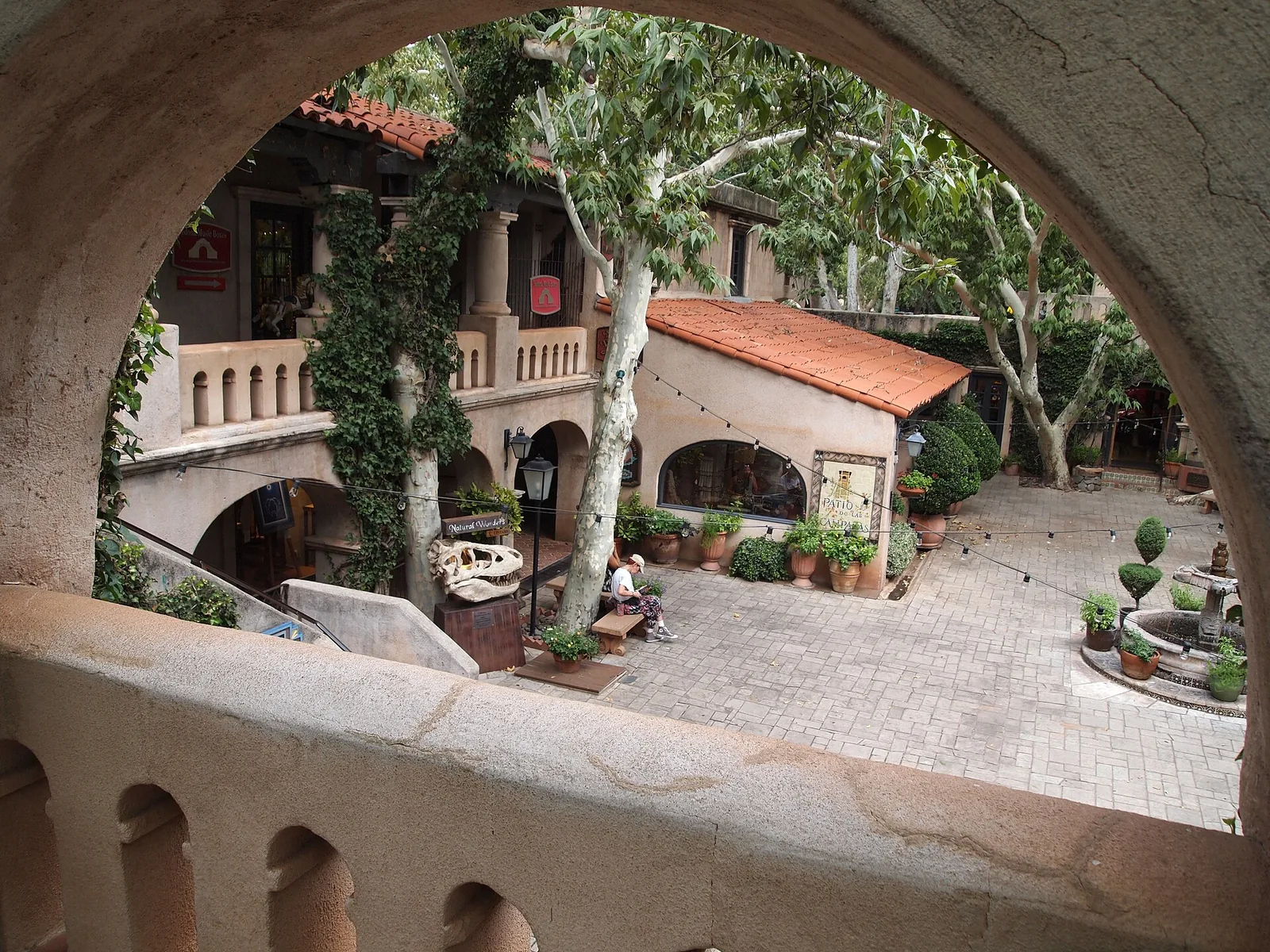
Eat between blocks, and reserve. The festival week and the RunSedona weekend both fill Sedona’s restaurants. If you want a real dinner rather than concession-stand snacks, book a table ahead. Our best restaurants guide covers where to eat, and Tlaquepaque, the arts-and-shopping village along Oak Creek, is an easy place to grab a meal or a coffee between screenings.
February weather during the festival
The festival falls in one of Sedona’s cooler, drier stretches. The town sits at about 4,350 feet, so late February is crisp rather than harsh. Expect an average high near 61 F and an average low near 36 F (NOAA/NWS 1991-2020 normals). Most days are dry and blue-sky, with strong high-desert sun that makes the middle of the day comfortable in a light layer.
The catch is the ends of the day. Mornings and evenings run near or a little above freezing, which matters at a festival where you will be walking between venues and parking lots after dark. Bring a warm jacket, and a hat and gloves if you feel the cold, for the late screenings. Light snow is possible in February, though it is usually a short-lived dusting on the red rocks that melts off by late morning rather than a storm that shuts things down. If snow has fallen recently and you plan to hike between films, shaded, north-facing trail sections can hold ice, so lightweight traction is worth packing.
None of this is a reason to skip the festival. Cool, dry, blue-sky weather is close to ideal for a week of moving between theaters and short hikes. It just means you should pack layers and plan your outdoor time for the warmer middle of the day. For the full picture of what February does and how it compares with the rest of the year, see our Sedona in February guide.
Why a film festival fits Sedona
If a film festival in a red-rock town sounds like an odd match, it is actually a fitting one. Sedona has a long screen history of its own. From the 1920s into the 1970s, dozens of Hollywood Westerns and other films were shot in and around the red rocks, using the sandstone formations as a stand-in for the frontier West. That heritage is part of why a serious independent film festival feels at home here rather than grafted on. If the movie-history angle interests you, our guides to Westerns filmed in Sedona and the specific Sedona film locations trace where the cameras rolled and which formations you have already seen on screen without realizing it.
That history also gives film-lovers a second layer to the trip. You can spend your mornings standing in the same spots that framed classic Westerns, then spend your afternoons watching the newest independent work in a 99-seat theater a few minutes away. It is a compact, walkable version of a film weekend that a bigger city cannot really match.
Making a week of it
The festival is a good anchor for a longer Sedona trip, precisely because it lands in the off-season. Outside the two event weekends, February is one of the quietest and best-value months of the year. Trails that back up in April are close to empty, and lodging is easier to book. That means you can pair the films with the kind of Sedona day that is hard to get in peak season.
Hike the quiet trails. Popular routes like Cathedral Rock hike well on a cool, clear February morning, and you will share them with far fewer people than in spring. If you would rather keep it low-key between screenings, the short, level walks in our easy hikes guide fit a festival schedule without eating the whole day.
Slow down at a spa. February overlaps with Valentine’s Day, and Sedona’s spas and wellness studios stay busy through the holiday. A treatment is an easy way to fill the gap between an afternoon and an evening block of films.
Drive the red rocks. If a hike is more than you want between screenings, the scenic drives deliver the views from the car. The Red Rock Scenic Byway along State Route 179 is the same road most festival-goers arrive on, and it is worth a slow second pass in good light. The art galleries around town and at Tlaquepaque are a natural pairing with a film week, and they keep you indoors and warm on a cold afternoon.
Line up the calendar. If you are trying to catch more than one event, or you would rather aim for a different month entirely, our Sedona events calendar maps the town’s annual festivals month by month. From there you can compare February with Sedona in January, the quietest stretch of winter, or Sedona in March, when spring break and the Mountain Bike Festival flip the town back to peak season.
Staying as a group for the festival
The one part of a festival trip that gets awkward is lodging, especially for a group. Booking four or five separate hotel rooms means splitting up, coordinating schedules by text, and paying event-week rates on every room. A whole-home rental solves that.
Sedona Pickler is a four-bedroom home in West Sedona that sleeps eight, minutes from the festival’s main venues on and around West State Route 89A. For a festival week it keeps everyone under one roof, close to the SIFF theaters and Harkins, with a full kitchen for the mornings when you would rather not fight for a restaurant table before the first screening. Free driveway parking for four cars helps, given how tight parking gets near the venues during the week.
The home also has a private indoor pickleball court, which turns out to be a good fit for a February festival. The court is heated and lit, so it plays through the cold mornings and near-freezing evenings that would keep an outdoor court empty this time of year. Between screenings, a group can knock a ball around for an hour without leaving the property, and because the court is indoors, there are no neighbor noise complaints to worry about. Our quiet pickleball page explains how the indoor setup works. Paddles and balls are provided; bring court shoes.
It is a low-key way to round out a film week: films in the afternoon and evening, a cold-morning hike or a few games on the court, and one house to come back to. When you have your festival dates set, confirm them against the festival’s official schedule, then book the home on Airbnb.
Frequently asked questions
When is the Sedona International Film Festival?
How long is the festival and how many films screen?
Where are the film festival screenings held?
How do I get passes or tickets?
What is the weather like during the festival?
What else can I do around the festival?
Can a group stay together for the festival?
Stay where you can rally any season
Sedona Pickler is a private West Sedona vacation home with its own indoor, climate-controlled pickleball court — a short drive from the trailheads, viewpoints and restaurants in this Sedona guide. Play at sunrise or after dark, in any weather.
Check dates & book