January is the month most people skip in Sedona, which is exactly why it is worth planning around. The crowds that fill the trailheads in spring and fall are gone, lodging demand bottoms out, and you can hike a well-known route without waiting for a parking spot. The trade-off is cold: this is winter at 4,350 feet, so mornings start near freezing and the warm hours are short. Plan around that and January rewards you with clear skies, quiet trails, and the best value on the calendar. It sits between a calm December and a busier, event-heavy February.
January weather in Sedona
Using NOAA 1991-2020 climate normals, Sedona’s January averages a high of about 58°F and a low of about 34°F. Those numbers tell the real story of a winter day here: it starts cold, often at or below freezing, warms into the mid-to-upper 50s by early afternoon, then drops fast once the sun gets low. The air is dry and the skies are usually clear, so daytime sun feels warmer than the thermometer reads, and shade feels a good deal colder.
The practical takeaway is that midday is your window. From roughly late morning to mid-afternoon you get the warmest, most pleasant conditions for hiking, photography, or sitting on a patio. Early risers and sunset chasers should bundle up.
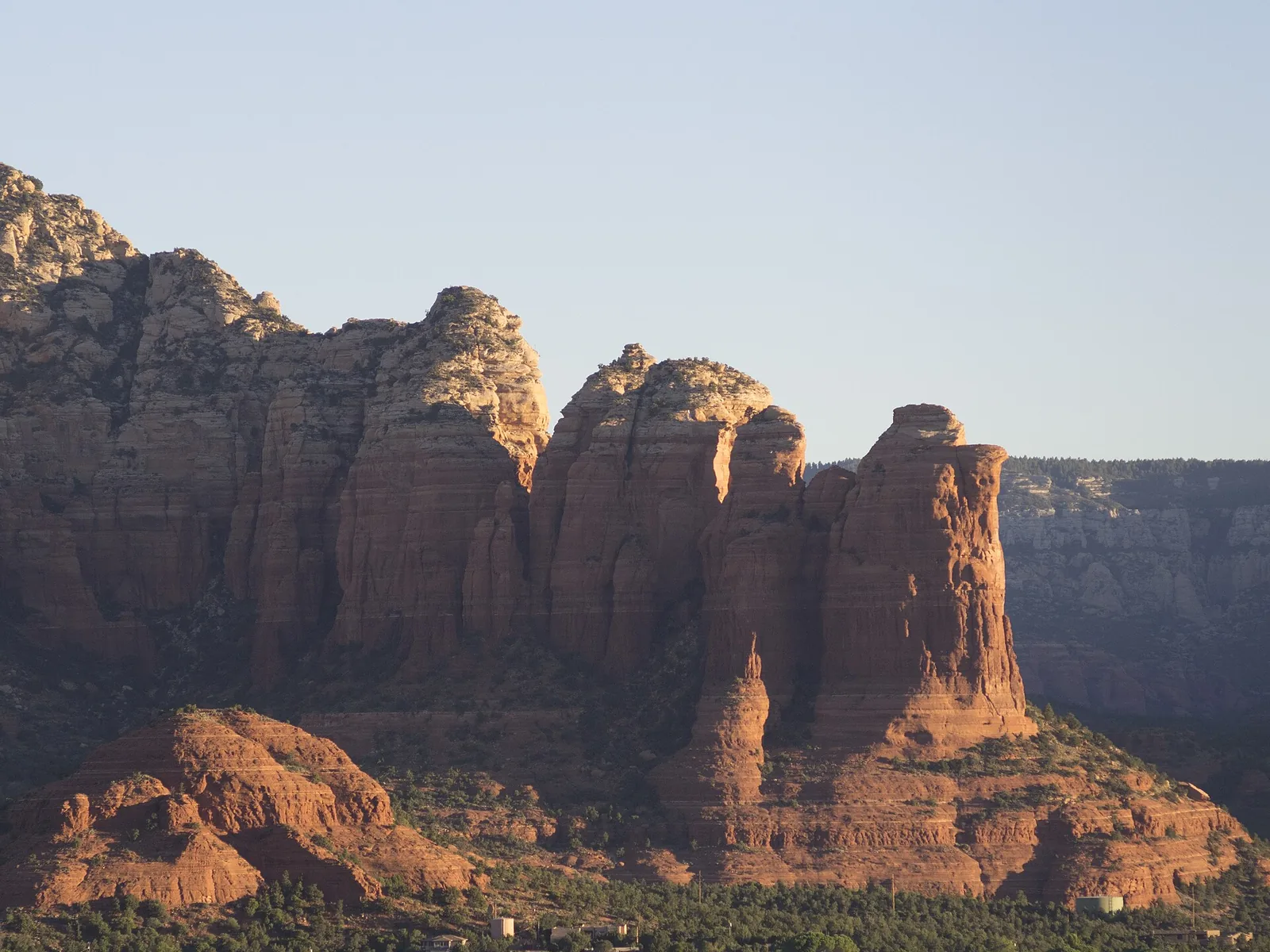
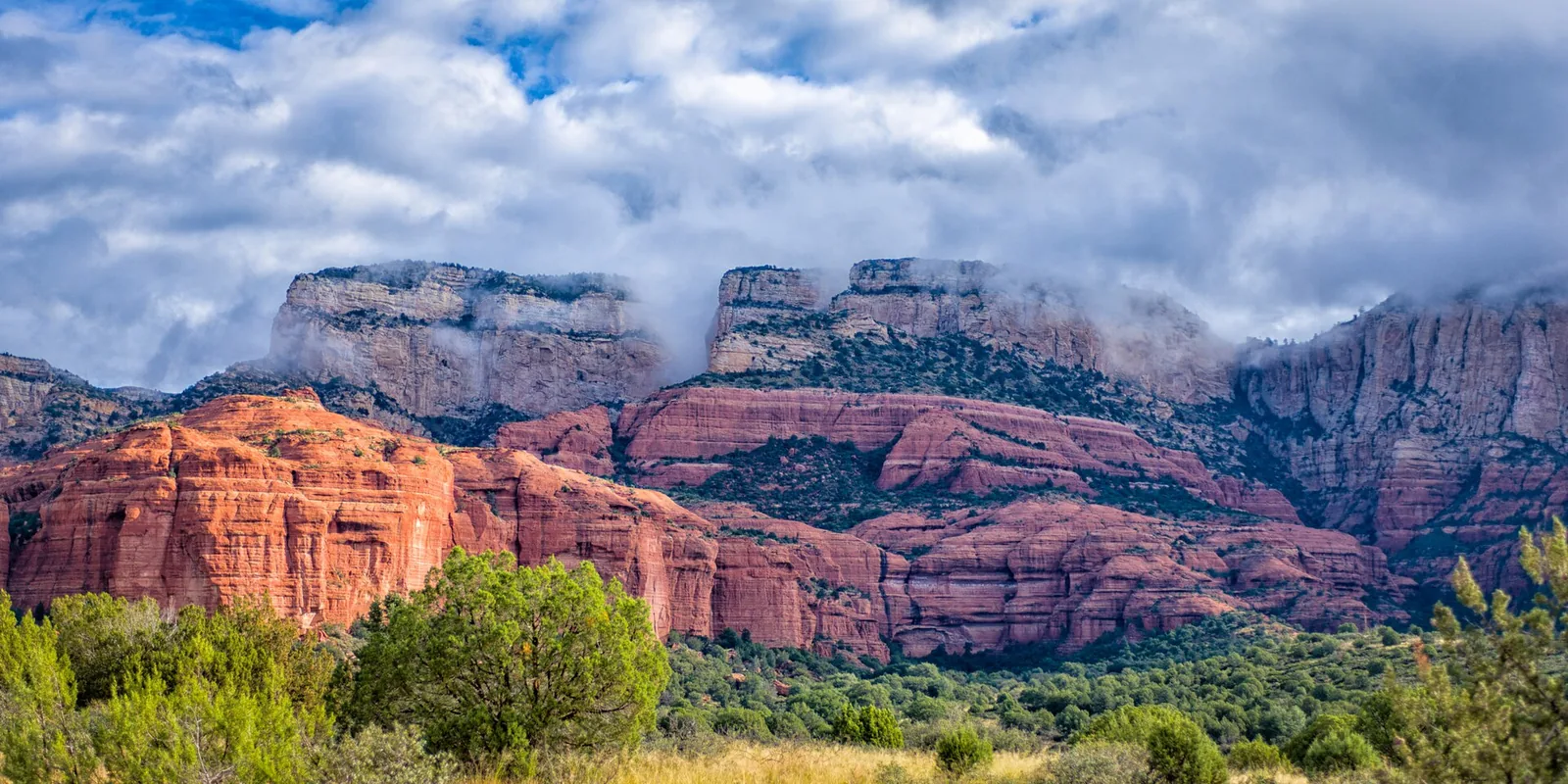
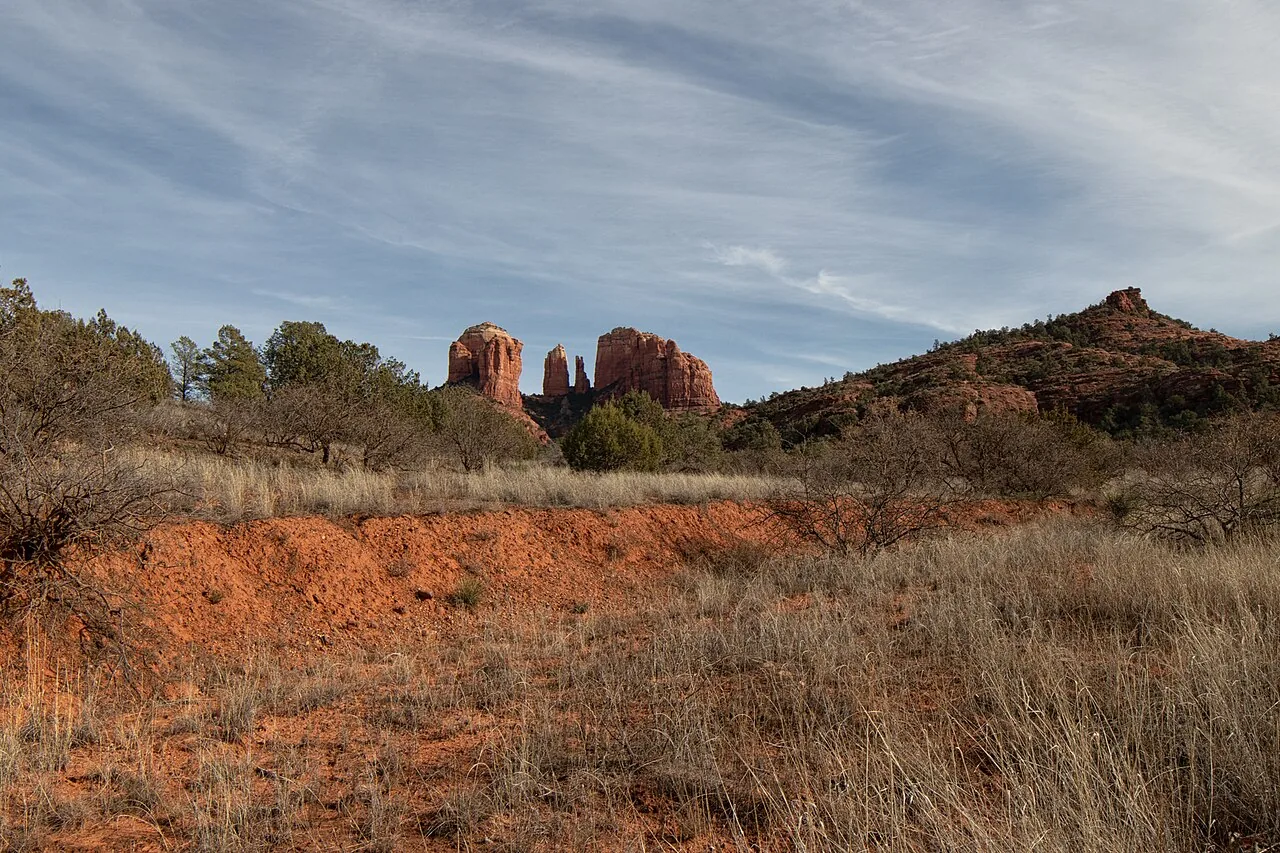
Snow does happen, but it is the exception, not the rule. Sedona picks up only a few inches in a typical year, concentrated in December and January. When it snows it is usually a light dusting on the red rocks that melts within a day or two on sunny, south-facing slopes, while shaded canyon corners and higher trails hold it longer. A fresh coat on the rocks is one of the prettier things you can catch here, and because it is short-lived, it feels like a small piece of luck rather than a planned event.
Crowds, value, and when to come
Winter, roughly December through February, is Sedona’s slow season, and January is the quietest stretch of it. Tourists head south for warmth, which leaves the rest of us with open trailheads, walk-in tables at restaurants that need reservations in October, and the lowest lodging demand of the year. If your goal is a calm trip with room to move, this is the month.
The one exception is Martin Luther King Jr. weekend, the three-day holiday around the third Monday of January. That weekend pulls a wave of visitors up from Phoenix and turns the quiet dial back up for a couple of days. If you want the true off-season feel, aim for a mid-week stay or the weekends on either side of the holiday. For a broader look at how the seasons compare, see the best time to visit guide.
What is on in January
Be honest with your expectations here: January is light on marquee events. Sedona’s biggest annual draw, the Sedona International Film Festival, runs in late February, not January, so if a festival is the reason for your trip, look at the February guide or the full events calendar instead.
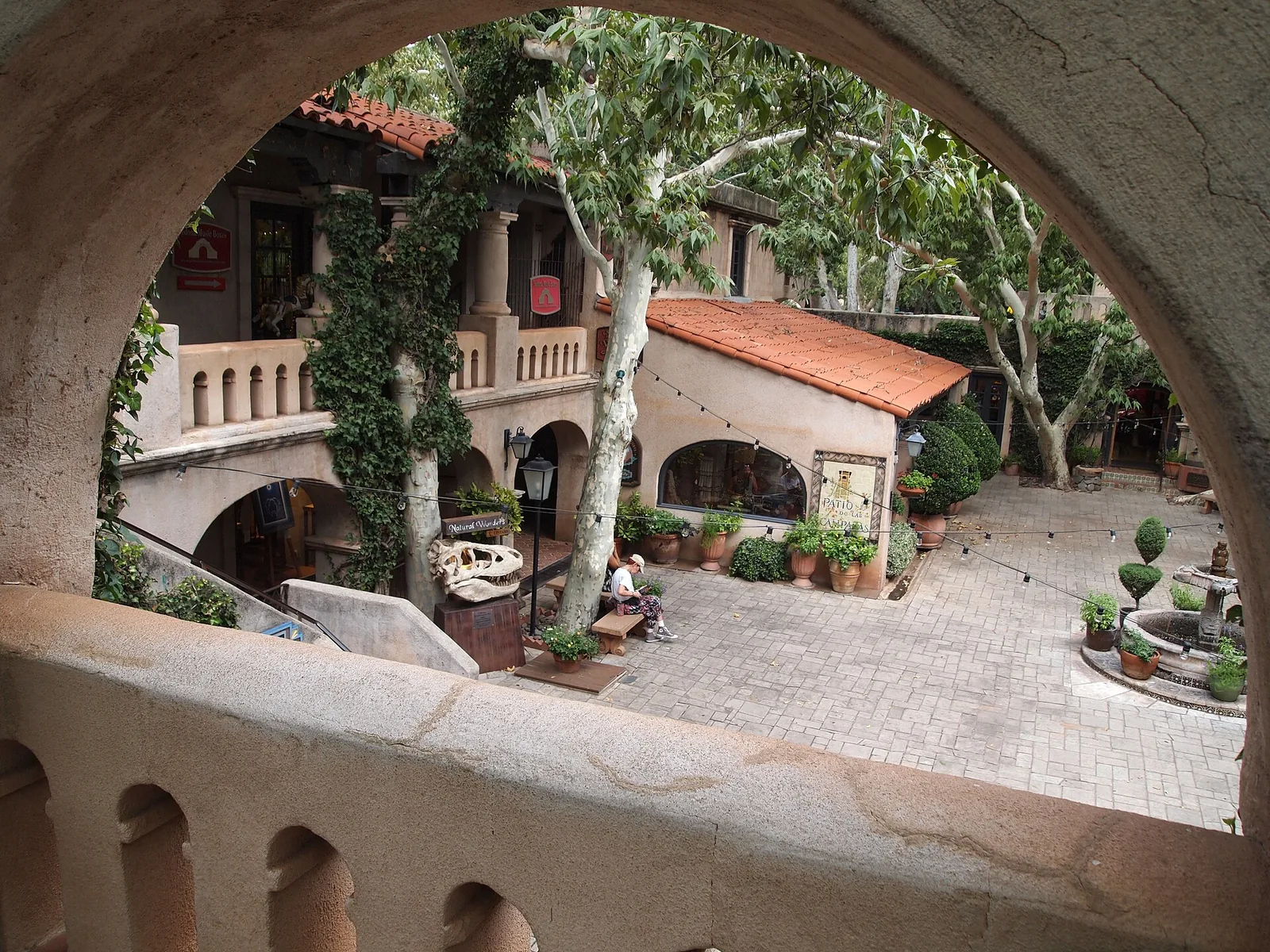
What January does have is the everyday cultural life that runs year-round. The Mary D. Fisher Theatre, the 110-seat arthouse operated by the Sedona International Film Festival, screens independent films, documentaries, and limited-release titles all winter, and also carries live-broadcast performances. It is a genuinely good rainy-or-snowy-evening option when the sun sets early and it is too cold to linger outside. Uptown galleries and the shops at Tlaquepaque stay open through the winter and make for easy, warm afternoons between colder outdoor stretches.
Best things to do in January
Hike at midday. Save the trails for the warm middle of the day and you will have comfortable temperatures and firmer footing. South-facing routes like the Cathedral Rock approach dry out and warm up first. If you want a snow-holding, shaded canyon walk, West Fork is the classic pick, but expect ice in the shadier sections and bring traction. Most trailheads require a Red Rock Pass, about $5 for the day (confirm the current fee), sold at self-serve machines and via the QR codes now posted at many trailheads.
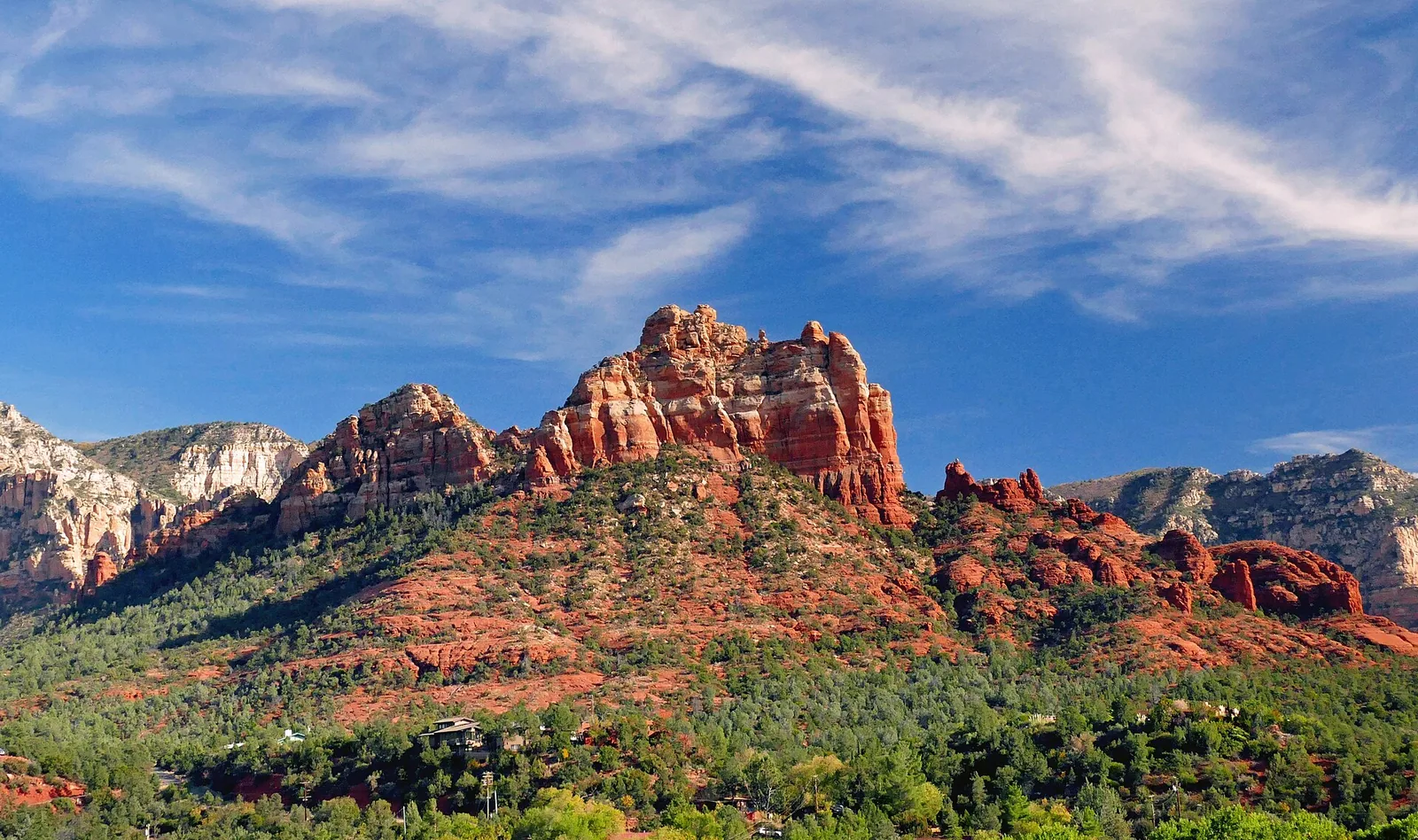
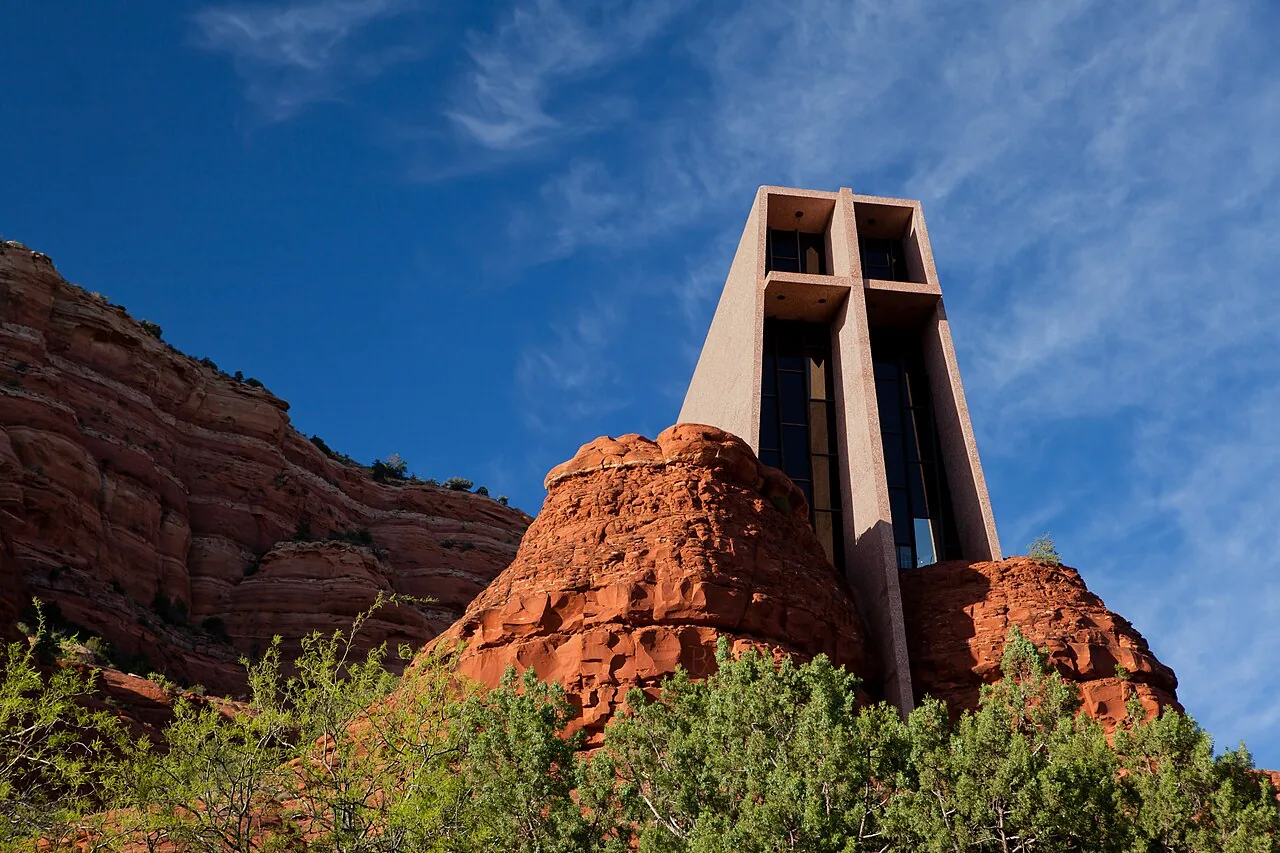
Visit the Chapel of the Holy Cross. Built into the red rocks southeast of town, the chapel is open daily, roughly 9 a.m. to 5 p.m., with free admission and donations welcome (confirm current hours). It is a short, low-effort stop that works well on a cold day when you do not want a long hike.
Take a scenic drive. When the trails are frosty in the morning, the Oak Creek Canyon drive along SR 89A is a warm-cabin way to see the canyon, though it can close or turn icy briefly after snow, so check conditions first.
Stay out after dark. January’s long, clear nights are some of the best of the year for stargazing in the Sedona area. Dress warmly, and the firepit and the hot soaking tubs back at the house make the cold worth it.
What to pack for a January trip
Layering is the whole game. A typical day swings from near-freezing at sunrise to the upper 50s at midday and back down quickly, so pack:
- A warm insulating layer and a windproof shell for mornings and evenings.
- Lighter layers underneath you can shed by early afternoon.
- Trail shoes with grip, plus lightweight traction devices if you plan to hit shaded or higher trails after any snow.
- A hat and gloves for early starts and stargazing nights.
- Court shoes for the indoor pickleball court; paddles and balls are provided at the house.
- Swimwear for the outdoor soaking tubs, which are best enjoyed on a cold, clear night.
Pickleball in January: why the heated court matters
This is the flip side of Sedona’s summer pitch. In July the story is that it is cooler here than in Phoenix and the court is air-conditioned. In January the story is the opposite: outdoor courts around the region sit cold and empty in the morning chill, but the home’s private court is indoors, heated, and lit, so a group of eight can warm up with a round-robin at 8 a.m. while the rocks outside are still frosty. A passing snow dusting does not cancel anything.
That is what makes the house work as a winter basecamp. Because the court is enclosed, it also means no neighbor or HOA noise complaints, a real consideration for a group that wants to play early or late. Snowbirds and northern Arizona locals use exactly this angle to keep playing through the cold months; if that is your situation, the snowbird guide to wintering in Sedona goes deeper on settling in for a longer winter stay.
Put together, January gives you the least crowded version of Sedona, honest winter weather you can plan around, and a heated indoor court that turns the coldest, quietest month into prime pickleball time.
Frequently asked questions
What is the weather like in Sedona in January?
Does it snow in Sedona in January?
Is January a good time to visit Sedona?
Are the hiking trails open in January?
What events happen in Sedona in January?
Can you play pickleball outdoors in Sedona in January?
How busy is Sedona in January?
Stay where you can rally any season
Sedona Pickler is a private West Sedona vacation home with its own indoor, climate-controlled pickleball court — a short drive from the trailheads, viewpoints and restaurants in this Sedona guide. Play at sunrise or after dark, in any weather.
Check dates & book