How much cooler is Sedona, really?
Sedona summers run about 10°F cooler by day than Phoenix — and roughly 17°F cooler at night — at 4,350 feet. And because this court is indoors with air-conditioning, the afternoon heat never gets a vote.
- ~10°Fcooler afternoons than Phoenix
- ~17°Fcooler July nights than Phoenix
- 4,350 ftSedona's elevation
- A/Cindoor court — play any hour
Daytime highs tell only half the story: Sedona's summer nights average in the 60s while Phoenix stays in the mid-80s. And the home's court is indoors and air-conditioned either way — so you rally in comfort while outdoor courts across the valley sit empty. Check availability on Airbnb →
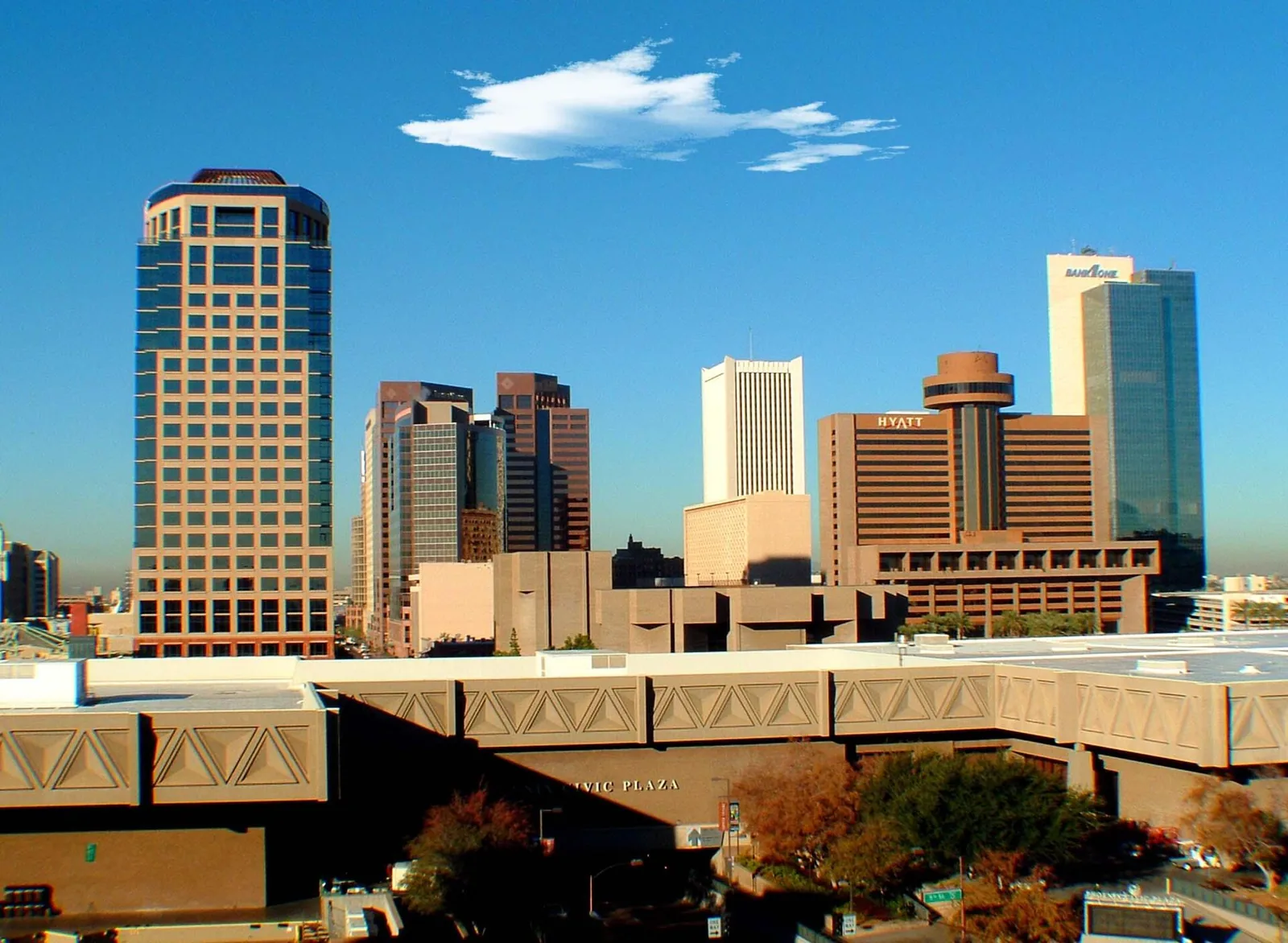
In Las Vegas, summer has a simple rhythm: you move between air-conditioned boxes. Casino to parking garage, garage to restaurant, restaurant to a pool that feels like warm soup by two in the afternoon. It works. The Strip is built to keep you comfortable and indoors. But it is a sedentary kind of comfort, and by July the outdoor half of a Vegas trip is mostly off the table. The July average high sits at 104°F, and the pavement runs hotter than that.
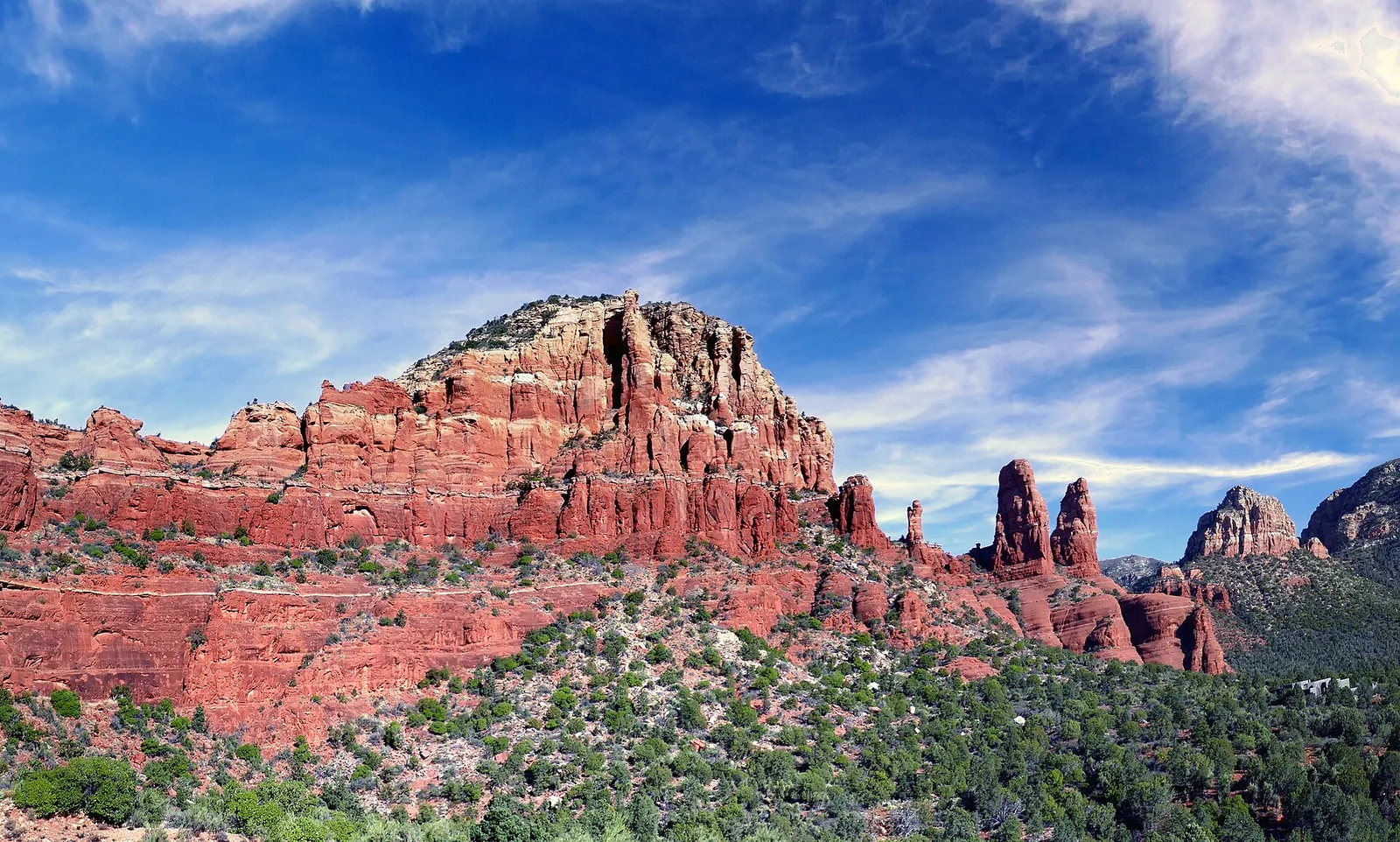
There is another way to get out of the heat that does not involve a slot machine: drive up. Sedona sits more than 2,000 feet higher than the Las Vegas Valley, and that elevation buys real, measurable relief, plus red rocks, cold creek water, and a private indoor court you can actually run around on at noon. This page lays out the honest version of that trade: what is cooler, by how much, and where a Sedona weekend beats a Vegas one for a group that would rather move than sit.
How much cooler is Sedona than Las Vegas, really?
Start with the numbers, because the honest answer has two parts. By day the gap is real but modest. By night it is the whole story.
Here are the NOAA/NWS 1991–2020 climate normals for the two towns, side by side:
| Month | Sedona high / low | Las Vegas high / low |
|---|---|---|
| June | 94°F / 61°F | 99°F / 75°F |
| July | 97°F / 68°F | 104°F / 81°F |
| August | 94°F / 67°F | 102°F / 79°F |
In July, Sedona’s average high runs about 7°F cooler than Las Vegas — 97°F against 104°F. That is a genuine break, but it is not a different planet. Sedona in July is still a mid-to-upper-90s town at midday. Anyone promising a 20-degree drop by driving to Sedona is describing Flagstaff, which sits at 7,000 feet and is a different trip entirely.
The overnight number is where Sedona pulls away. Its July low averages 68°F; Las Vegas averages 81°F. That is roughly 13°F cooler after dark, and it holds all summer — Sedona’s June and August nights run 12 to 14°F cooler than the same nights down in the valley. Elevation and dry air do the work. At 4,350 feet, the ground radiates its heat back to the sky overnight instead of holding it the way low-desert asphalt does. A 68°F evening on a covered deck is a completely different experience than an 81°F one, and it is the reason people actually sleep with the windows open up here.
The daytime gap still matters more than 7 degrees suggests, for two reasons. Sedona’s air is dry, so shade and a breeze do more for you than they would in a humid climate, and the town is small enough that you are rarely far from a trailhead, a creek, or the front door. And because the mornings and evenings are so much more usable, the hot window you actually have to plan around is shorter here than it is in the valley, where the heat leans hard on both ends of the day. The trip is not about avoiding the sun entirely; it is about having good options for the hours when the sun wins.
Two ways to beat the same heat
Both cities have figured out how to be livable in a hard summer. They just did it differently.
Las Vegas beats the heat by bringing you inside. The casinos, the malls, the theaters, the buffets — all of it is engineered to hold 72°F while it is 108°F on the sidewalk. That is a real amenity. If your idea of a summer trip is a show, a good dinner, and a cold drink somewhere dark and cool, Vegas is very good at exactly that, and Sedona does not try to compete on it.
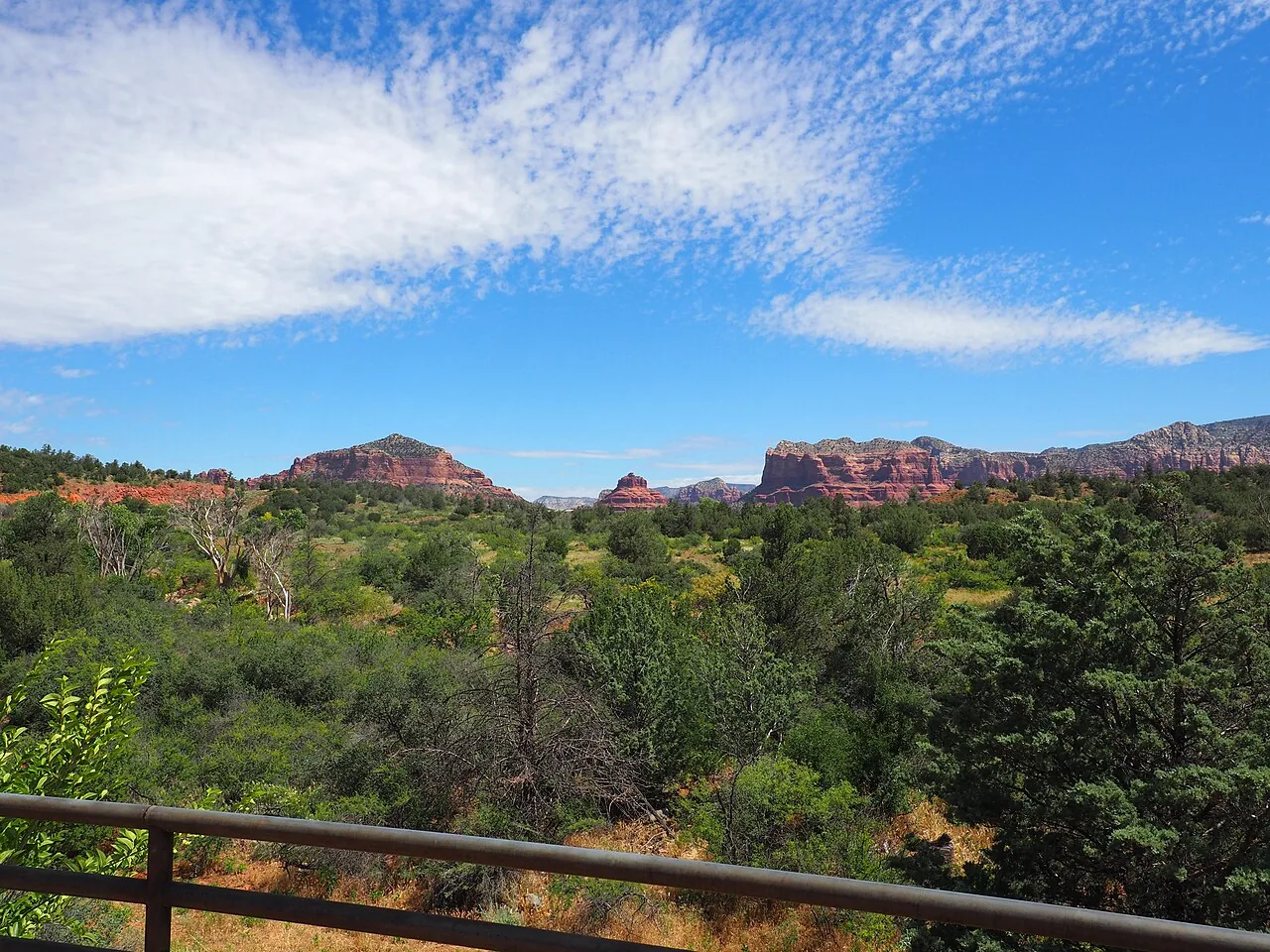
Sedona beats the heat by being higher and by giving you somewhere active to be. The cooler air is part of it, but the bigger difference is what you do with the day. Mornings are for red-rock trails before the sun gets high. Afternoons can mean Oak Creek and the natural water chutes at Slide Rock, or the indoor court when it is hottest outside. Evenings are genuinely comfortable outdoors. It is an escape you spend moving, not sitting.
That is the honest split. Vegas wins on nightlife and dining. Sedona wins for a group that wants to hike, swim, and play more pickleball than any public court would ever let them.
The catch, and the fix
The catch is the one already named: even 7°F cooler, Sedona at 1 p.m. in July is still in the 90s. If you were counting on outdoor pickleball at midday, the desert has other plans, the same way it does in Vegas. Cooler is not the same as cool, and it would be dishonest to pretend otherwise.
That gap is exactly what the house is built to close. The court here is indoors, air-conditioned, heated, and lit. When it is 96°F outside and the outdoor courts across the region sit empty, you can play a full session in comfortable air, then step out into a cooler evening than you would get almost anywhere in the low desert. Cooler outside, controlled inside — that is the whole idea. If you want the full temperature picture, it is laid out on the beat-the-heat guide and the Sedona-versus-Phoenix data page, which run the same honest comparison against the low desert.
What a cooler, active weekend actually looks like
Here is how a group of eight might spend a summer weekend up here, working with the heat instead of against it.
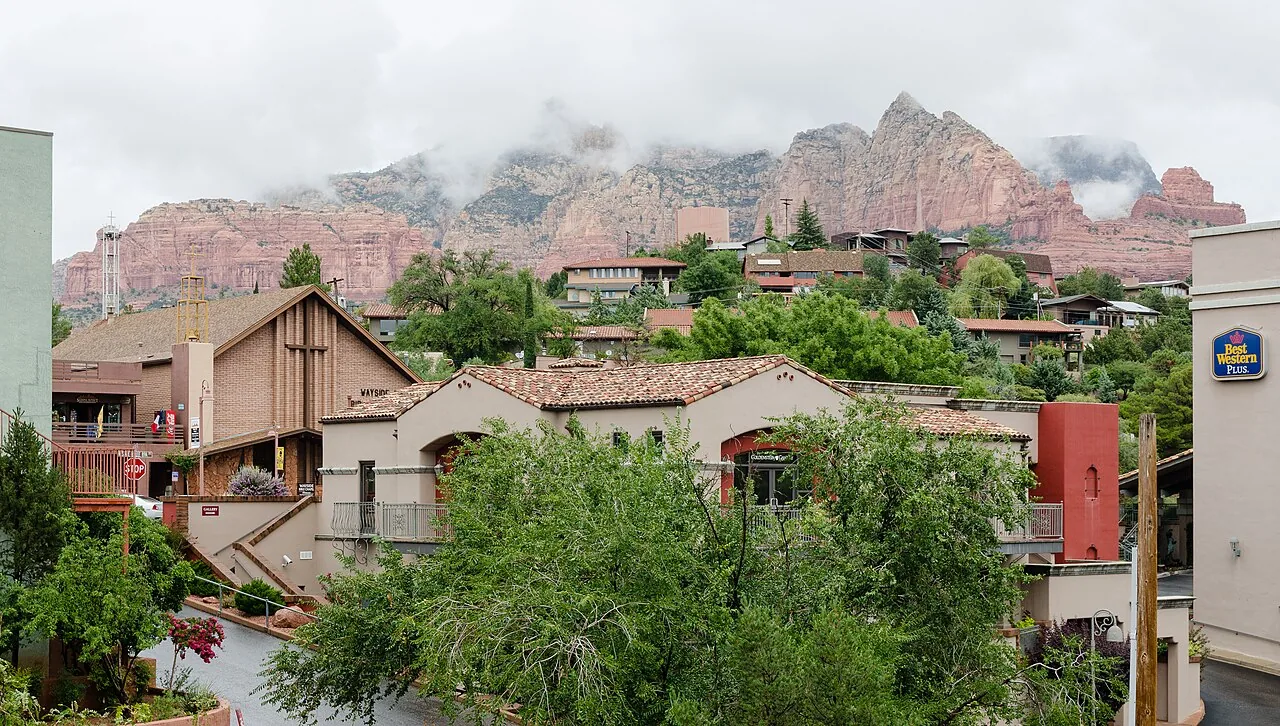
Mornings go outside. Get to a trailhead early — Cathedral Rock is a short, steep, worthwhile climb, and it is far more pleasant at 7 a.m. than at noon. If the group is mixed in fitness, there are plenty of easier hikes that still put you among the rocks without the scramble. The red rocks are a short drive from the house rather than out the back door, so build the morning around a trailhead or two and be back before the heat settles in.
Midday goes to water or to the court. When the temperature peaks you have two good options. One is Slide Rock State Park, where Oak Creek runs over smooth sandstone and the water stays cold all summer; it is where valley families go to cool off, so arrive early because the parking fills fast. The other is the indoor court, which is the reliable one — no drive, no parking, no crowd, and it does not care what the thermometer reads.
If the group would rather stay in air conditioning without giving up the scenery, the drive up Oak Creek Canyon on SR-89A is a cool, shaded route with the windows down and pull-offs the whole way. It is the low-effort version of a Sedona afternoon when nobody wants to hike in the heat.
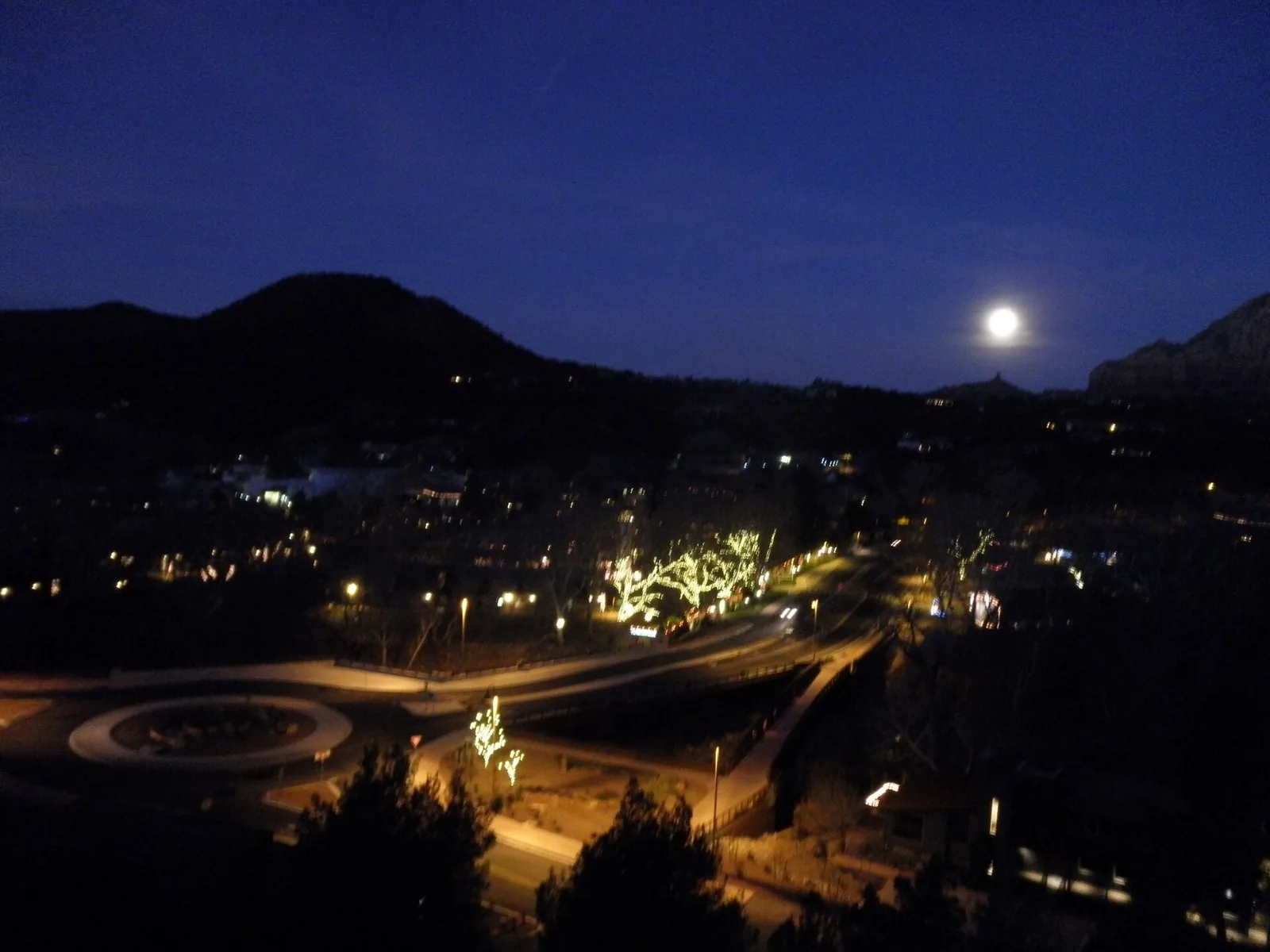
Evenings go back outside, and this is where Sedona’s numbers earn their keep. A 68°F July night means the firepit and the covered deck are comfortable rather than a sweat, and the cool summer nights are the part of the trip Las Vegas simply cannot match. Sedona’s dark skies are good for stargazing once the light drops.
And if a monsoon storm rolls in — they build most afternoons from July into September — nothing about the plan breaks. You move the game indoors, watch the lightning from under the deck, and pick the hike back up in the morning. There is a longer list of hot-day and rain-day options for when the weather turns.
Getting here from Las Vegas
This is a drive-to trip, not a fly-to one, which suits a group hauling paddles, coolers, and swim gear. From the Strip it is about 280 miles and roughly 4.5 hours without stops: south over the Hoover Dam bypass bridge, east on I-40 toward Flagstaff, then down into Sedona. Leave in the morning and you cross the open desert before the worst of the day’s heat.
One quirk worth knowing before you plan the clock: Arizona does not observe daylight saving time, so in summer Sedona runs on the same time as Las Vegas. You do not lose an hour crossing the state line. The full route, the best stops along the way, and the two ways into town are in the Las Vegas-to-Sedona drive guide.
The court is yours — no lane, no line
The reason a group makes this drive is the court, so it is worth being clear about how it works. It is private and it comes with the house. There is no reservation window, no hourly rate, no day fee, and no rotation of strangers waiting on the fence for their turn. Up to eight people can stay, and the court is there whenever any of them want it — 6 a.m., 10 p.m., or straight through a 100-degree afternoon.
Because it is fully enclosed, it is also quiet from the outside. Pickleball’s sharp pop is the reason outdoor courts get shut down near homes; indoors, the sound never leaves the building, which is why there are no neighbor complaints and no posted hours to work around. That side of it is covered on the quiet pickleball page. Paddles and balls are provided; bring court shoes.
If you are weighing this against a straight Vegas trip, the Sedona-versus-Las-Vegas comparison breaks the two down point by point, and the group-trip guide covers how to plan a weekend around a house that has its own court. A couple of housekeeping notes for a group booking: guests must be 25 or older to reserve, and it is a whole home for eight, not a party house — no events, no pets, no smoking.
None of this makes Las Vegas a bad trip. It makes it a different one. If your group’s summer plan is shows and a pool cabana, stay on the Strip and enjoy it. If it is cooler nights, red rocks, cold creek water, and as much pickleball as you can stand — none of it waiting on the heat — point the car east and check the dates on Airbnb.
Frequently asked questions
Is Sedona cooler than Las Vegas in the summer?
How far is Sedona from Las Vegas?
Can we play pickleball midday in July here?
Does Sedona get monsoon storms in summer?
Is a Sedona trip better than Las Vegas for a group?
Trade the heat for a cool indoor court
Sedona Pickler is a private West Sedona vacation home with its own indoor, air-conditioned pickleball court — comfortable play at noon in July or after dark in January, while outdoor courts across the valley sit empty. See the whole heat-escape guide.
Check dates & book